Skip to content

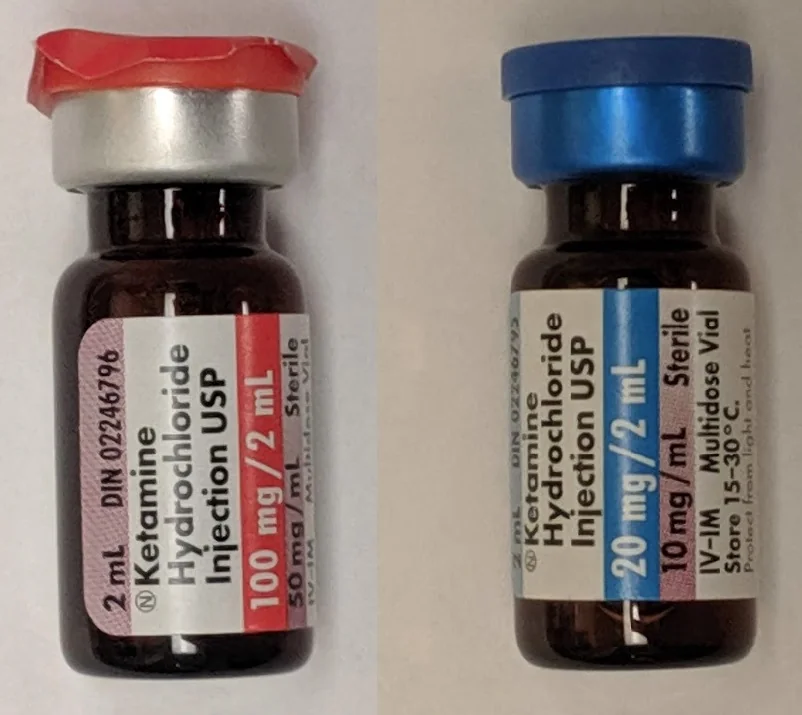
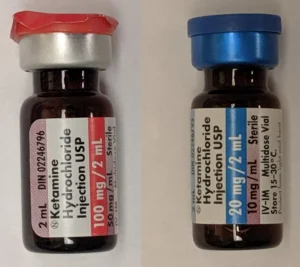
Photo: Ketamine hydrochloride injection vials by Doc James, licensed under CC BY-SA 4.0.
Ketamine has legitimate medical uses as an anesthetic. It can also leave someone disoriented, detached from their surroundings or unable to remember what happened while under its effects.
Now, sexual violence prevention experts are calling for colleges to pay more attention to the drug following sexual assault allegations involving a Cornell University fraternity. (See related news coverage below.)
The Cornell case has brought renewed scrutiny to ketamine’s potential role in drug-facilitated sexual assault and whether campus prevention programs have kept pace with its growing recreational use.
Why Ketamine Is Raising Concerns
Ketamine is a dissociative anesthetic used medically for anesthesia and pain management. Recreationally, it’s sometimes known as “Special K.”
Depending on the dose, ketamine can cause sedation, impaired coordination, memory loss and a feeling of being disconnected from the body or surrounding environment.
Those effects can become particularly concerning when ketamine is combined with alcohol or other substances.
The U.S. Drug Enforcement Administration says ketamine can cause immobility and amnesia and has been used to facilitate sexual assault.
That isn’t a new concern. The U.S. Department of Justice warned more than two decades ago that ketamine was being misused in sexual assault cases.
Yet ketamine has historically received less attention in campus sexual assault prevention efforts than substances such as GHB and Rohypnol.
Laura Palumbo of the National Sexual Violence Resource Center told USA TODAY (here) that colleges need to specifically consider ketamine when addressing drug-facilitated sexual assault.
However, drug-facilitated sexual assault doesn’t necessarily mean someone secretly put something in another person’s drink. (See link to drink spike prevention resource article below.)
A person may voluntarily consume alcohol or drugs and later become too impaired to consent. Someone else can exploit that impairment.
Cornell Lawsuit Alleges Ketamine Use Before Assault
The current scrutiny follows a lawsuit filed in September by a woman identified as Jane Doe against Cornell University, the Chi Phi fraternity, seven former fraternity members and others.
Doe alleges that she attended a Chi Phi party in October 2024, where she was pressured to use ketamine before fraternity members sexually assaulted her.
According to the lawsuit and records reported by national news outlets, Doe had also consumed alcohol before arriving at the fraternity house.
She later told Cornell investigators that the combination of alcohol and drugs left her unable to consent to sexual activity.
The seven men named in the case have denied wrongdoing. Four acknowledged sexual contact with Doe but maintain that it was consensual, while three have denied participating in sexual encounters.
No criminal charges have been filed.
The criminal investigation has since received renewed attention. New York Gov. Kathy Hochul appointed state Attorney General Letitia James as special prosecutor to investigate the alleged October 2024 assault.
Cornell has also launched an independent review of how the university prevents and responds to sexual assault and harassment.
Ketamine Use Has Increased, but Sexual Assault Data Is Limited
One reason researchers are paying closer attention is that recreational ketamine use appears to have increased in some settings.
Research involving New York City nightlife participants found that reported ketamine use rose substantially between 2017 and 2024.
What researchers don’t have is a clear national picture of how often ketamine is involved in sexual assault.
There’s no comprehensive database showing how frequently ketamine is a factor in campus sexual assaults, and cases involving drugs can be especially difficult to track.
That leaves universities confronting a changing drug landscape without much reliable data about the scope of the problem.
Alcohol Remains the Most Common Concern
Experts also caution against allowing the attention surrounding ketamine to obscure a much more common factor in sexual assault: alcohol.
Alcohol remains the substance most frequently associated with incapacitation and sexual assault on college campuses.
The National Sexual Violence Resource Center notes that drug- and alcohol-facilitated sexual assault can occur whether a substance was taken voluntarily, provided under pressure or administered without someone’s knowledge.
The central issue is consent.
Being intoxicated doesn’t make someone responsible for another person’s decision to sexually assault them. And voluntarily consuming alcohol or another drug doesn’t give anyone else permission to take advantage of that impairment.
The Cornell allegations may ultimately bring more attention to ketamine. But the broader lesson for colleges is bigger than any one drug: sexual assault prevention needs to address the many ways alcohol and drugs can be used to create or exploit a situation in which someone cannot consent.
Related:
Cornell Sexual Assault Case Reopens Debate Over Intoxication, Consent and New York Law: Opinion (Oct. 6, 2026)
How Police Question Sexual Assault Survivors: Cornell Case Raises Broader Questions (Oct. 1, 2026)
DA Reopens Cornell Fraternity Sexual Assault Investigation, Plans Grand Jury Review (Sept. 28, 2026)
Cornell, Fraternity and Sorority Groups Sued Over Alleged 2024 Sexual Assault (Sept. 22, 2026)
Why Is Drink Spiking Still an Epidemic on Campuses and in Bars?
How to Prevent Drink Spiking & Date Rape: The Best Products to Stay Safe