Skip to content
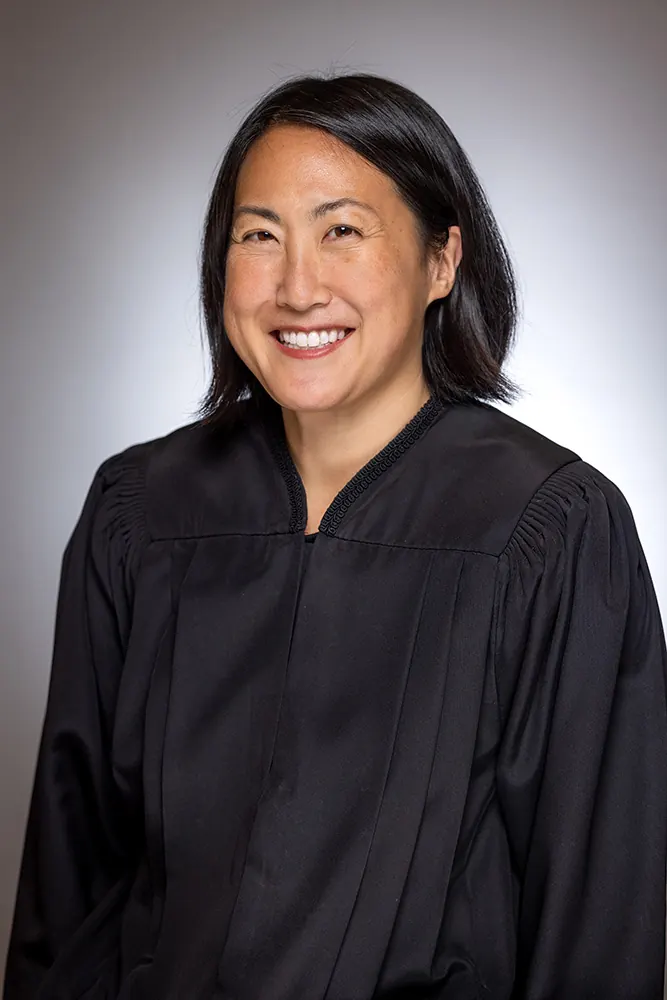
Photo: U.S. District Judge Rita F. Lin. Credit: United States District Court for the Northern District of California, Public Domain, via Wikimedia Commons.
Lyft is asking a federal judge to dismiss several categories of claims in consolidated sexual assault litigation involving 136 federal lawsuits filed by riders who say they were assaulted by drivers matched through the company’s app, Courthouse News reports.
At a hearing yesterday in San Francisco, U.S. District Judge Rita Lin did not immediately rule on Lyft’s motion to dismiss. The company is seeking to narrow claims in the multidistrict litigation (MDL), which brings together federal cases from around the country for coordinated pretrial proceedings.
Judge Questions Lyft’s Argument on Driver Background Checks
One of Lyft’s arguments involves California negligence claims tied to driver screening.
Lyft contends that those claims are limited by a 2017 California Public Utilities Commission decision that did not require ride-hailing companies to use fingerprint-based background checks.
Judge Lin expressed skepticism with the idea that the regulatory decision automatically shields Lyft from traditional civil negligence claims.
She noted that a jury could potentially find Lyft negligent based on what the company actually knew about rider safety without necessarily interfering with the commission’s regulatory authority.
Plaintiffs argue that Lyft’s screening process is inadequate because the company does not use biometric verification and may therefore conduct background checks on false identities rather than confirming whose record is actually being reviewed.
Lyft Also Challenges Product Liability Claims
Lyft is also asking the court to dismiss product liability claims under California law.
The company argues that its app is a service rather than a product and therefore should not be subject to strict product liability theories.
Lyft pointed to rulings in California state court litigation where judges sided with Uber and Lyft on similar arguments.
Plaintiffs, however, are urging Judge Lin to follow the reasoning used in the federal Uber sexual assault litigation, where product liability claims were allowed to proceed.
They argue that although Uber provides a transportation service, the company also exercises complete control over the design and functionality of its app. Lyft plaintiffs say the same reasoning should apply to Lyft.
Federal Lyft MDL Plaintiffs
The federal Lyft multidistrict litigation is still relatively new compared with the larger state-court proceeding involving the company.
About 136 federal sexual assault lawsuits are currently consolidated before Judge Lin for pretrial proceedings.
Separately, approximately 2,000 sexual assault cases against Lyft are pending in a consolidated California state court proceeding that began about six years ago.
The lawsuits generally allege that Lyft failed to adequately screen drivers, downplayed known risks and prioritized growth over passenger safety.
Thousands of claims involving rideshare sexual assault are moving through state and federal courts.
Learn more about Lyft sexual assault lawsuits, current litigation and legal options.
Lyft Litigation Developing Alongside Uber Cases
The Lyft litigation is moving forward as Uber continues to defend thousands of sexual assault lawsuits in its own federal multidistrict litigation and separate state proceedings.
Earlier this year, a federal jury in Phoenix awarded $8.5 million to a woman who said she was sexually assaulted by an Uber driver. The verdict was the first federal bellwether trial in the Uber MDL.
That case has become an important reference point for Lyft plaintiffs, particularly on questions involving product liability and the extent to which a ride-hailing company can be held responsible for alleged assaults involving drivers using its platform.
Judge Lin has not yet ruled on Lyft’s motion to dismiss.