
 Skip to content
What survivors should know about lawsuits, filing deadlines, institutional responsibility and legal options involving Southern Baptist churches.
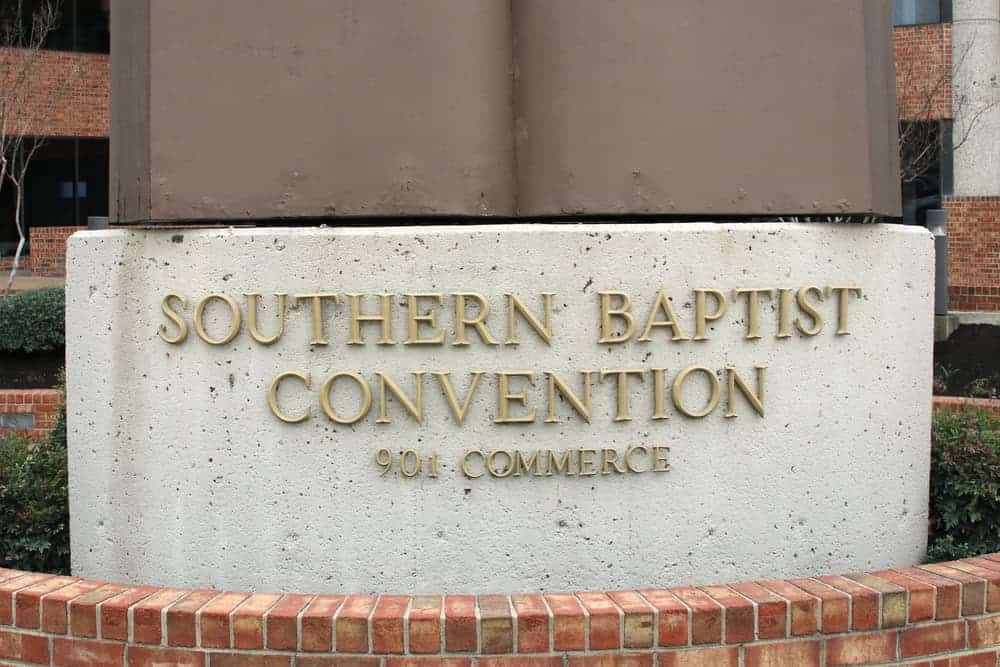
The Southern Baptist Convention (SBC), the largest Protestant denomination in the United States, has faced years of sexual abuse allegations involving pastors, youth leaders, church employees and volunteers.
Survivors have also accused churches and denominational leaders of failing to respond appropriately to reports of abuse, allowing accused individuals to remain in ministry or failing to warn other congregations.
If you experienced sexual abuse involving a Southern Baptist church, you may have legal options against the person who harmed you and, depending on the circumstances, a church or other responsible entity. Filing deadlines and liability rules vary by state, so an older claim is not necessarily a closed claim.
This guide explains Southern Baptist sexual abuse lawsuits, who may be held responsible, filing deadlines, potential compensation and what to know before requesting a case review.
A six-part investigation by the Houston Chronicle and San Antonio Express-News identified more than 700 victims of sexual abuse connected to Southern Baptist churches over a 20-year period. The investigation also found that more than 380 pastors, deacons and volunteers had faced allegations of misconduct, including some who later moved between churches.
The Southern Baptist Convention is made up of largely autonomous churches rather than a single centralized hierarchy. Critics and survivors have argued that this decentralized structure made it harder to track accused clergy, share warnings between congregations and enforce consistent abuse-prevention practices.
October 21, 2026
A federal judge dismissed a proposed class-action lawsuit against Pawleys Island Community Church, its Christian academy, the Southern Baptist Convention and other defendants. The lawsuit alleged that church and school leaders knowingly allowed a registered sex offender access to children despite assuring families the campus was safe.
The September 15 dismissal was based on a lack of federal jurisdiction, not a determination about the underlying allegations. The case was dismissed without prejudice, while six related civil lawsuits were reported to remain in South Carolina state court, including one alleging sexual abuse of a child.
September 30, 2026
A federal judge dismissed most claims brought by former Southern Baptist Theological Seminary professor David Sills against Southern Baptist Convention leaders, including negligence, conspiracy and intentional infliction of emotional distress claims. Defamation claims against the SBC Executive Committee, Guidepost Solutions, seminary president Al Mohler and Southern Baptist Theological Seminary remain pending. The judge postponed the planned trial and ordered the parties to participate in a settlement conference before the case proceeds further.
For survivors, the practical takeaway is that the case isn’t over. Some of the biggest defamation claims are still moving forward, and the outcome could shape how SBC leaders and institutions talk about abuse allegations in the future. [SOURCE: Baptist Standard]
September 24, 2026
Southern Baptist Convention President Willy Rice says his Florida church will host a sexual abuse prevention and response conference as the denomination continues grappling with its abuse crisis. During his first SBC Executive Committee meeting as president, Rice called sexual abuse a continuing threat to churches and emphasized the particular harm caused when alleged abusers hold positions of spiritual authority. The announcement comes as Southern Baptists continue debating abuse prevention, accountability and reforms intended to strengthen protections for survivors and church members. [SOURCE: ChurchLeaders.com]
September 2, 2026
A survivor-led nonprofit launched Protestant Accountability, a searchable database with more than 2,700 records involving clergy and church workers across more than 100 Protestant denominations and networks. The project has a direct Southern Baptist connection: its president, Chellee Taylor, previously sued SBC-affiliated Journey Church in Florida, alleging church leaders mishandled her report of sexual abuse by a campus pastor; the lawsuit later settled for an undisclosed amount. The database collects information from public sources including court records, government documents and news reports and also tracks some leaders accused of mishandling abuse allegations. [LEARN MORE]
August 7, 2026
The Southern Baptist Convention and its Executive Committee have been named as defendants in a federal class-action lawsuit involving Pawleys Island Community Church and its Christian academy in South Carolina. The complaint alleges that church and school leaders allowed a registered sex offender extensive access to children despite knowing about his criminal history. The class action does not itself seek damages for sexual abuse, but it preserves the right of individual survivors to bring separate abuse claims. The case could also test whether national Southern Baptist entities may face liability for alleged failures connected to an affiliated local church. [Read more about the Pawleys Island lawsuit]
July 21, 2026
More than 80 survivors, advocates and pastors called on newly elected Southern Baptist Convention President Willy Rice and Texas pastor Jack Graham to apologize for statements they said minimized the denomination’s abuse crisis. The letter’s signers argued that this language may discourage people from believing survivors and reflects a broader retreat from reforms approved in 2022, including the long-delayed creation of a database tracking church workers accused of misconduct. [READ MORE]
February 24, 2026
A former worship pastor in Owensboro, Kentucky, died by suicide days after being arrested on multiple charges involving alleged sexual offenses connected to a minor. Authorities said the investigation began following a complaint received in early 2026, with allegations dating back more than a decade. Court records indicated the accused had been released on bond prior to his death. Church leadership stated the individual was immediately terminated upon learning of the charges and acknowledged the impact such news may have on survivors.
February 11, 2026
A lawsuit filed in Arkansas alleges Southern Baptist entities and church leaders failed to prevent sexual abuse committed by former youth minister Keenan Hord at First Baptist Church in Bentonville. Hord pleaded guilty in 2023 and is serving a 60-year prison sentence. Source: Baptist News.
February 3, 2026
Truett McConnell University in Cleveland, GA, has unanimously selected Larry Lyon as its next president following the firing of former president Emir Caner over allegations involving the handling of sexual abuse reports. Lyon’s appointment comes amid heightened scrutiny of Southern Baptist institutions and ongoing calls for accountability and transparency in how abuse allegations are addressed within faith-based organizations.
December 11, 2025
Bradley Reynolds, the former vice president of academic affairs at Truett McConnell University in Georgia, has been indicted on three felony counts for allegedly lying to investigators about sexually assaulting a former student who later worked for the school. Grand jurors say Reynolds falsely denied having a sexual relationship with the woman, operating an email account that sent hundreds of explicit and theologically framed messages, and telling her that his wife would die and he intended to make her his second wife.
The case has shaken the Southern Baptist-affiliated university, contributed to the removal of its president, and resurfaced longstanding concerns about how Baptist institutions handle reports of abuse. The former student publicly detailed her allegations on a May podcast, prompting renewed scrutiny and leading the district attorney to reopen the case after investigators initially declined to bring charges. Source: KLAS NewsChannel 8.
November 26, 2025
Christa Brown is pushing back against comments made by podcaster Megyn Kelly about Jeffrey Epstein’s victims. Brown argues that Kelly’s suggestion that Epstein preferred “the barely legal type” minimizes the rape of adolescents and reinforces harmful cultural myths that predators rely on to escape accountability. Brown says such framing creates a false hierarchy of victimization and obscures the reality that all minors, regardless of age, are incapable of giving meaningful consent to authority figures who exploit them.
Brown grounds her response in her own experience as a teenage survivor whose Southern Baptist youth pastor groomed and raped her while using religious authority to manipulate and silence her. She says the same cultural patterns that excused her pastor’s behavior for decades are echoed in Kelly’s comments and continue to harm survivors today. Brown argues that minimizing the sexual abuse of older children has long been part of what allowed SBC leaders to ignore reports, conceal accusations, and protect predators within the denomination. Source: The Roys Report.
October 28, 2025
In Oklahoma, former Gateway Church founding pastor Robert Morris is challenging a civil lawsuit filed by Cindy Clemishire, the woman he sexually abused as a child. Despite pleading guilty to multiple felony charges and receiving a 10-year sentence with jail time and lifetime sex offender registration, Morris and his wife argue that Clemishire’s case should be dismissed due to the statute of limitations and other legal defenses.
The lawsuit claims Morris and Southern Baptist Church leadership concealed the abuse for decades and later defamed the survivor when she spoke out publicly. The case continues as survivors nationwide pursue accountability through civil litigation against Southern Baptist institutions.
October 20, 2025
Morris Chapman, who led the Southern Baptist Convention’s Executive Committee from 1992 to 2010, passed away at age 84 after decades as one of the denomination’s most influential figures. Once praised for bringing stability during the SBC’s “conservative resurgence,” Chapman’s legacy has come under renewed scrutiny for his proximity to early stages of the denomination’s sexual abuse crisis.
During his tenure, one of his top deputies, Augie Boto, publicly denied that widespread abuse existed in SBC churches while secretly maintaining a list of known offenders. Survivors and advocates have since argued that Chapman could have acted to expose and stop abuse sooner, potentially changing the trajectory of the crisis that would later engulf the denomination.
Even after retiring, Chapman remained vocal about denominational unity and funding but avoided directly addressing the SBC’s growing accountability failures. His death has reignited debate over leadership responsibility within the Convention, particularly during an era when transparency and reform could have protected countless victims.
October 19, 2025
Matthew Queen, a former seminary provost convicted of lying to federal investigators in a Department of Justice probe into Southern Baptist sexual abuse, has quietly resumed preaching at a Texas church. Queen served six months of home confinement after admitting to falsifying records related to the investigation. His rapid return to ministry has reignited debate over accountability in the SBC, where survivors and advocates say systemic failures and the rehiring of disgraced leaders continue to undermine promised reforms.
October 18, 2025
Dee Parsons, a Christian blogger behind The Wartburg Watch, was profiled by CBS News for reporting that helped expose decades-old sexual abuse by Gateway Church founder Robert Preston Morris. Morris pleaded guilty to five counts of lewd acts with a child and received a 10-year suspended sentence, including six months in jail.
Parsons’ blog post featured survivor Cindy Clemishire, whose courage in sharing her story led to national attention, Morris’ resignation, and ultimately his prosecution. In the CBS segment, Parsons compared the growing reckoning within evangelical churches to the Catholic Church’s long-running abuse crisis, calling it “centuries of shame finally being uncovered.”
September 30, 2025
On September 22-23, the Southern Baptist Convention’s Executive Committee met in Nashville to review updates on abuse-related lawsuits. Leaders noted that many cases filed in the past three years have been dismissed, reducing the denomination’s legal exposure. However, these courtroom victories came at a steep price—over $13 million in legal costs since 2021, with requests for more funding ongoing.
Survivor advocates warn that despite legal successes, promised reforms like Vision 2025 have stalled, leaving questions about whether the SBC is prioritizing institutional protection over accountability.
September 1, 2025
A Lubbock County grand jury has reindicted former youth pastor Luke Cunningham on 16 counts of sexual assault of a child, adding to charges first filed more than a year ago. Prosecutors said the charges stem from incidents between 2017 and 2019 involving two children. Cunningham, who worked at churches in Fort Worth, Granbury, and Lubbock, has faced allegations dating back as far as 2013. He remains in the Lubbock County Detention Center on nearly $500,000 bond, with prosecutors describing him as a “violent offender” while opposing a bail reduction.
August 21, 2025
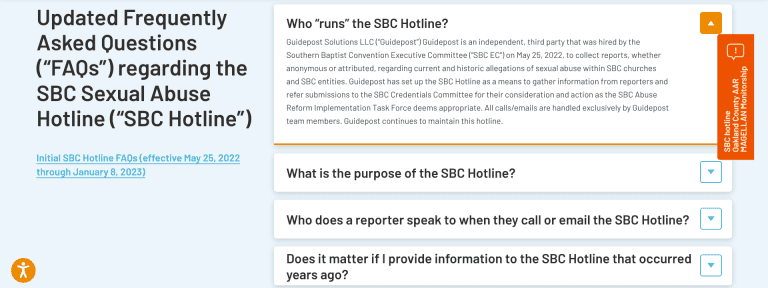
The Southern Baptist Convention will replace its 2022 Guidepost abuse hotline at the end of the year with a new helpline operated by its Office for Abuse Prevention and Response, in partnership with the Evangelical Council for Abuse Prevention. The revamped service allows survivors to report abuse and access counseling while providing resources for churches responding to allegations.
SBC leaders say the helpline reflects a long-term commitment to confronting abuse, but critics question whether it signals real accountability after years of mishandling cases.
July 1, 2025
At the Southern Baptist Convention’s June 2025 annual meeting in Dallas, delegates heard updates on sex abuse reforms—but one of the most critical safeguards remains missing: a public database of credibly accused or convicted abusers.
Despite being approved by messengers in 2022, the database has not been launched, drawing criticism from former task force member Rev. Mike Keahbone of Lawton, Oklahoma, who recently stepped down from leadership roles in protest.
While SBC leaders introduced new reforms—including abuse prevention training, a care response team, and a request for $3 million to cover mounting legal costs—advocates argue these efforts fall short without a tool to prevent predators from moving between churches. The database was a key recommendation from the 2022 Guidepost Solutions report, commissioned after the Abuse of Faith investigation exposed decades of institutional cover-ups.
June 1, 2025
Gareld Duane Rollins, the man whose lawsuit against Southern Baptist leader Paul Pressler helped expose decades of sexual abuse and coverups within the Southern Baptist Convention, died May 23. Rollins’ legal battle revealed a history of abuse allegations against Pressler and inspired the Houston Chronicle’s “Abuse of Faith” investigation, which found widespread misconduct in the SBC.
His case ultimately led to major reforms within the denomination and public apologies to survivors. Despite his own health struggles and legal setbacks, Rollins’ bravery helped spark a nationwide reckoning around institutional abuse in the church.
May 20, 2025
A former youth pastor at Houston’s Champion Forest Baptist Church, Timothy Jeltema, has admitted to sexually abusing around 25 girls. According to a now-settled lawsuit, a church leader allegedly tipped him off about a police investigation, giving him time to destroy evidence. The church and the Southern Baptist Convention were both named in the lawsuit, which accused them of negligence in hiring, supervision, and failure to report abuse.
If you are a survivor of SBC-related sexual abuse, we encourage you to explore your legal rights. Survivors Rights may help connect you with an attorney who specializes in these types of cases. Take the first step by filling out our confidential brief form below.
April 17, 2025
Two sisters from Virginia have filed $300 million in lawsuits against Bethany Place Church and Coastal Church, alleging the churches failed to act after one sister disclosed sexual abuse to church staff in 2009. The alleged perpetrator, a youth group assistant, was not removed despite assurances to the family, and no report was made to authorities.
According to the lawsuits, the abuse only came under investigation after one sister later disclosed it to a school counselor. The legal complaints accuse the churches of gross negligence, reckless retention, and breach of duty of care. Coastal Church, which later acquired Bethany Place, is also named for assuming existing liabilities.
March 14, 2025
After more than two years, the U.S. Department of Justice has closed its investigation into sexual abuse allegations involving the Southern Baptist Convention and its Executive Committee. The investigation, launched after the 2022 Guidepost Solutions report exposed systemic cover-ups and abuse, resulted in one conviction—Matthew Queen, a former seminary professor, who pleaded guilty to falsifying evidence in a related probe.
While federal prosecutors brought no additional charges, survivor advocate Christa Brown emphasized that the closure was procedural—not a declaration that abuse never occurred.
If you are a survivor of SBC-related sexual abuse, we encourage you to explore your legal rights. We may help connect you with attorneys who specialize in these types of cases.
The Southern Baptist Convention has faced growing legal scrutiny since the 2019 publication of the Houston Chronicle and San Antonio Express-News investigation “Abuse of Faith.”
The series documented hundreds of sexual abuse allegations involving Southern Baptist pastors, deacons, volunteers and other church workers, while also examining how some denominational leaders responded to reports of abuse.
One of the most significant cases involved former Southern Baptist leader Paul Pressler, who was accused of decades of sexual abuse.
A lawsuit filed in 2017 named Pressler, the SBC and other affiliated parties and alleged that church leaders and institutions enabled or failed to stop the abuse. The case was settled confidentially in 2023.
Other civil lawsuits have since been filed against Southern Baptist churches and affiliated entities, often alleging negligent supervision, failures to report abuse or failures to act on warning signs. Some cases have also raised concerns about accused ministers moving between churches without other congregations being adequately warned.
Because Southern Baptist churches are largely autonomous, claims are typically brought against individual churches, leaders or other entities rather than through one nationwide lawsuit. There is no single consolidated SBC sexual abuse case encompassing all survivors.

A major turning point came in 2022, when the SBC Executive Committee released an independent investigation by Guidepost Solutions.
The report found that SBC leaders had maintained an internal list of accused ministers and church workers dating back years while publicly resisting calls for a searchable database that could help churches identify people accused of abuse.
The report also documented repeated concerns about how survivor complaints were handled and how legal liability influenced decision-making within the Executive Committee.
In an NPR interview, Houston Chronicle reporter Robert Downen explained that concerns about legal exposure played a significant role in decisions about what the SBC would and would not do with information about accused abusers.
Survivors and advocates have argued that this focus on liability delayed reforms that could have helped churches identify accused offenders and respond more consistently to abuse allegations.
Survivors and advocates played a major role in forcing Southern Baptist leaders to confront how abuse allegations were handled across the denomination.
For years, SBC leaders pointed to local church autonomy as a reason the Convention could not maintain a centralized database of accused ministers or impose uniform reporting requirements. But investigative reporting and the 2022 Guidepost report showed that denominational leaders had discussed possible reforms internally and had access to information about accused individuals.
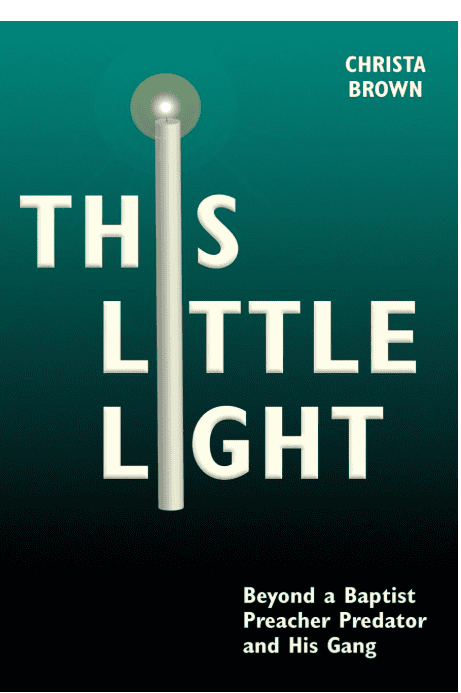
One of the most prominent survivor advocates is Christa Brown, whose memoir, This Little Light: Beyond a Baptist Preacher Predator and His Gang, recounts her abuse by a Baptist minister and her years of advocacy for greater accountability within the SBC.
Another longtime advocate is Debbie Vasquez, who has publicly described being sexually abused beginning when she was 14 by a Southern Baptist minister who later impregnated her.
Brown, Vasquez and other survivors have continued pressing Southern Baptist leaders for stronger safeguards, more transparency and better systems for preventing accused ministers from moving between churches.
The Southern Baptist Convention is a network of largely autonomous churches. That structure gives local congregations significant control over hiring, ordination and discipline, but it has also made it difficult to create uniform systems for tracking accused ministers or sharing warnings between churches.
The Houston Chronicle and San Antonio Express-News found that some pastors, ministers and volunteers accused of sexual misconduct later worked at other Southern Baptist churches. Their reporting also documented churches that knowingly welcomed people who had previously faced sexual misconduct allegations.
For years, SBC leaders cited local church autonomy when resisting proposals for a centralized database of accused ministers. But the 2022 Guidepost investigation found that some denominational officials had maintained an internal list of accused abusers while publicly arguing that a broader database could not be implemented.
Christa Brown, a longtime survivor advocate, argued that the lack of centralized screening made it easier for accused ministers to move between churches. In 2022, the Houston Chronicle quoted her describing Southern Baptist ministry as a system in which someone could gain credibility simply by claiming a religious calling and then move from church to church.
Survivors and advocates have pushed for stronger systems to help churches identify accused offenders before hiring them. In 2022, Southern Baptist delegates approved creation of a public database of accused sexual offenders, although implementation has remained a source of controversy.
Before the 2019 Abuse of Faith investigation, survivors and journalists highlighted an unusual gap in SBC accountability: churches could face removal from cooperation over certain doctrinal issues, while employing someone with a sex-offense history did not automatically result in removal.
The Houston Chronicle reported that the SBC had declined to maintain a centralized list of convicted or credibly accused offenders, even as its investigation documented churches that had employed people with prior sexual misconduct allegations.
In the years since, the Convention has adopted additional abuse-related measures and criteria for dealing with churches that mishandle abuse allegations. That means the 2019 situation should be presented as historical context, not as a description of current SBC rules.

Depending on the facts of the case and the law in the state where the lawsuit is filed, compensation may include:
Not every type of compensation is available in every case, and there is no standard payout for an SBC sexual abuse lawsuit.
The value of a claim can depend on factors such as the severity and duration of the abuse, the survivor’s long-term harm, the available evidence, who may be legally responsible and whether the claim was filed within the applicable deadline.
If you experienced sexual abuse involving a Southern Baptist church, the legal process will depend on who may be responsible, where the abuse occurred and whether the filing deadline is still open.
An attorney can review what happened, determine which state’s law applies and identify the individuals, churches or other entities that may be legally responsible.
Helpful evidence may include church records, emails, messages, journal entries, witness names, medical or therapy records, or previous reports of abuse.
You do not need to have everything before asking whether you may have a claim.
If a viable claim exists, your attorney can prepare and file a complaint in the appropriate court. The complaint identifies the defendants and explains the legal basis for the lawsuit.
After a lawsuit is filed, the parties may exchange evidence through discovery, take depositions and file motions with the court.
Some cases resolve through negotiated settlements. Others continue to trial. The decision whether to accept a settlement belongs to the survivor.
SurvivorsRights.com may be able to connect you with an attorney who handles clergy and institutional sexual abuse cases. Many of these attorneys work on a contingency-fee basis, meaning there is generally no upfront attorney fee and the lawyer is paid from a recovery if the case succeeds.
Hundreds of sexual abuse allegations have been documented across Southern Baptist churches and ministries, but several cases have drawn particular attention because of the people involved, the institutional response or the legal issues they raised.
Darrell Gilyard, a former Southern Baptist pastor, pleaded guilty in 2009 to sex crimes involving two teenage girls in his congregation and served nearly three years in prison. After his release, he returned to preaching, prompting criticism from survivors and church members.
Paul Pressler, a former Texas judge and influential Southern Baptist leader, was accused by Gareld Duane Rollins Jr. of sexually abusing him beginning when Rollins was 14.
Rollins’ 2017 lawsuit also named the Southern Baptist Convention and other affiliated defendants, alleging that they knew or should have known about Pressler’s conduct and failed to stop it. At least seven other men later came forward with allegations against Pressler. The case was resolved through confidential settlements in 2023.
John Langworthy, a former music minister at Prestonwood Baptist Church in Texas, was accused of sexually abusing teenage boys. The Guidepost investigation later examined allegations that church leaders failed to report concerns to law enforcement before Langworthy moved to Mississippi, where he later publicly acknowledged sexual misconduct involving minors.
Former SBC president Johnny Hunt was accused in the 2022 Guidepost report of sexually assaulting another pastor’s wife in 2010. Hunt denied that the encounter was assault and later sued the SBC, its Executive Committee and Guidepost Solutions for defamation.
In March 2025, a federal judge dismissed most of Hunt’s claims, leaving one defamation claim against the SBC and Executive Committee. In August 2026, the court dismissed that final claim as well, ending the lawsuit at the district-court level.
These cases represent only a small part of the broader record of sexual abuse allegations involving Southern Baptist churches and institutions.
Yes. Survivors are still filing sexual abuse lawsuits involving Southern Baptist churches and affiliated institutions, but whether a particular claim can be brought depends heavily on the law of the state where the abuse occurred.
In recent years, many states have extended filing deadlines for childhood sexual abuse claims or created revival windows that temporarily allowed older claims to be filed. Some of those windows have closed, while others remain available or have been replaced by longer filing periods.
Because Southern Baptist churches operate across the country, filing deadlines can vary significantly from one survivor to another. California, for example, has more than 2,000 Southern Baptist churches, so SBC-related claims are not limited to the South.
An older claim should not automatically be assumed to be too late. The deadline can depend on the survivor’s age when the abuse occurred, when the claim arose, the type of defendant involved and the law of the state where the abuse took place.
No. A sexual abuse claim does not necessarily require physical evidence. Survivor testimony may be important evidence, and a case may also be supported by witness accounts, church records, emails, messages, medical or therapy records, prior complaints, or evidence involving other survivors.
Sometimes. Courts may allow sexual abuse survivors to proceed under a pseudonym such as “Jane Doe” or “John Doe,” but anonymity is not automatic and the rules vary by court and jurisdiction. An attorney can explain whether requesting anonymity may be appropriate in your case.
Yes, but the deadline depends on the state and the circumstances of the abuse. Some states have extended filing deadlines for childhood sexual abuse claims, eliminated certain deadlines, or created temporary revival windows for older claims.
Even if the abuse happened many years ago, do not assume that the deadline has passed without checking the law that applies to your claim.
Not necessarily. Many civil cases resolve before trial, while others proceed through discovery, depositions and eventually trial. Whether you would need to appear in court depends on how the case develops and the rules of the court handling it.
An attorney can explain what participation may be required and discuss ways to reduce unnecessary stress during the legal process.
SurvivorsRights.com may connect survivors with attorneys who handle sexual abuse cases on a contingency-fee basis. In a typical contingency arrangement:
The exact fee arrangement should be explained in the attorney’s written representation agreement.
Depending on the facts, a lawsuit may name the person accused of abuse, a local church, church leaders, an affiliated organization or another entity that may have had a legal duty to prevent or respond to the abuse.
Because Southern Baptist churches are largely autonomous, responsibility is determined case by case rather than through one nationwide SBC lawsuit.
You do not necessarily need to remember every date or detail before speaking with an attorney. Childhood trauma and the passage of time can make exact timelines difficult to reconstruct.
Other records may help establish what happened, including church membership records, personnel files, correspondence, witness testimony, medical records or reports from other survivors.
Start by listening without pressuring them to disclose more than they want to share. Let them decide whether and when they want to seek counseling, report the abuse or explore legal options.
You can also help them locate a trauma-informed therapist, survivor advocacy organization or attorney experienced in sexual abuse cases if they ask for that support.
Survivors may find support through national survivor organizations, local sexual assault resource centers and trauma-informed mental health professionals.
SurvivorsRights.com also provides information about legal options and may connect survivors with attorneys who handle clergy and institutional sexual abuse cases.
Not necessarily. Some states have extended statutes of limitations for childhood sexual abuse or created revival laws that allow certain older claims to be filed even after the original deadline expired.
These laws vary significantly by state, and some revival windows have already closed. If you are unsure whether your claim is still eligible, you can request a case review to learn what deadlines may apply.
If you experienced sexual abuse involving a Southern Baptist church, you may still have legal options even if the abuse happened years ago.
SurvivorsRights.com may be able to connect you with an attorney who handles clergy and institutional sexual abuse cases. They can review what happened, explain which filing deadlines may apply and help determine whether a church, individual or other organization could be legally responsible.
If you’re unsure whether you have a case, you can start by requesting a case review. You do not need to have every document, date or detail before reaching out.