Skip to content

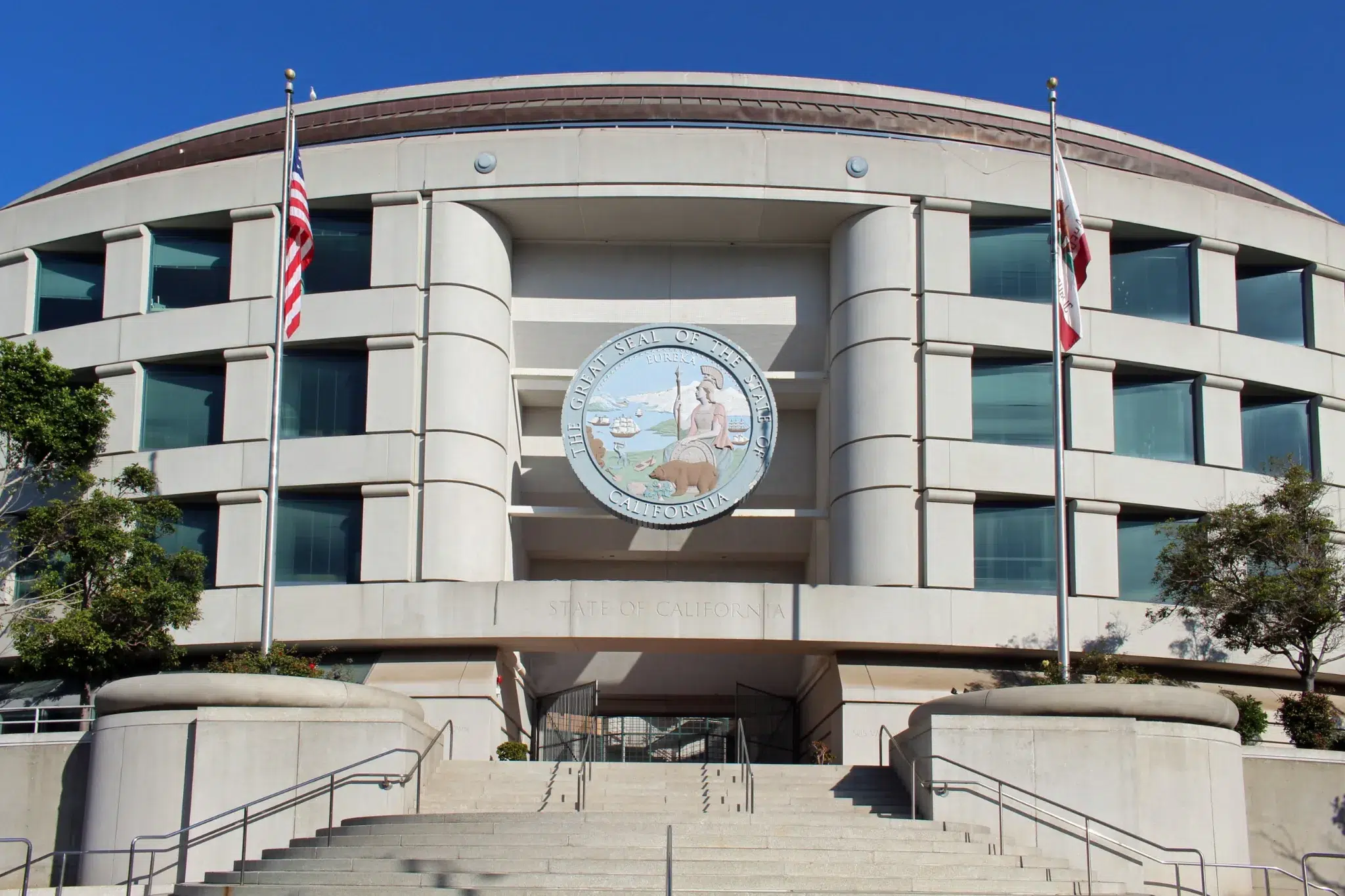
Photo: Edmund G. Brown Jr. State Office Building in San Francisco by Coolcaesar, licensed under CC BY 4.0.
San Francisco officials want California regulators to release records documenting assaults involving Uber and Lyft rides, arguing that keeping the information confidential makes it harder to evaluate passenger safety, Seth Rosenfeld of San Francisco Public Press reported.
The California Public Utilities Commission (CPUC) has collected annual reports from rideshare companies since 2013, including information about assaults, collisions and other safety incidents.
But much of that information has remained out of public view, even as thousands of passengers nationwide pursue lawsuits accusing Uber and Lyft of failing to adequately protect riders from sexual assault.
Now, San Francisco transportation officials say they’ve waited long enough.
Why Is California Withholding Uber and Lyft Assault Records?
The CPUC regulates rideshare companies in California and requires them to submit annual reports containing information about trips and safety-related incidents.
Those reports could help local governments identify patterns in assaults, evaluate potential safety problems and determine whether additional protections are needed.
However, the agency has repeatedly withheld substantial portions of the information, citing confidentiality concerns.
In August 2025, regulators decided that the public interest in releasing ride-hailing records from 2021 through 2024 outweighed the companies’ arguments for keeping certain trip data confidential.
That decision didn’t settle the matter.
Lyft challenged the disclosure requirement, prompting the commission to temporarily suspend it while reconsidering the company’s objections.
In July 2026, the CPUC agreed to revisit its earlier finding about the public interest in disclosure. The dispute remained unresolved as of October 22.
San Francisco Officials Say They Need the Data
San Francisco Supervisor Myrna Melgar, who also chairs the San Francisco County Transportation Authority, has renewed calls for the records to be released.
Speaking to the San Francisco Public Press, Melgar said access to the information was long overdue.
The concern isn’t limited to sexual assault.
Local transportation planners say they need reliable data about rideshare trips, collisions and passenger safety to understand how Uber and Lyft affect city streets and public transportation.
But assault reports are an especially important part of the information officials want.
Drew Cooper, a senior analyst with the Transportation Authority, said local officials currently have limited ways to learn about alleged assaults involving rideshare passengers and drivers. News reports often provide information that the agency’s own regulatory data could help clarify.
Without a consistent, publicly accessible record, officials have difficulty determining whether particular safety problems are becoming more common or whether existing safeguards are working.
Investigation Finds Problems With California’s Rideshare Oversight
The renewed calls follow an investigation by the San Francisco Public Press into how the CPUC collects and handles rideshare safety information.
Using records obtained under the California Public Records Act, the publication found that regulators had collected data inconsistently, making comparisons between companies difficult.
The investigation also identified staffing and resource problems that delayed the processing of some reports by as much as nine months.
In 2025, the CPUC contracted with California State University, Chico, for assistance reviewing the large volume of information.
A commission spokesperson previously acknowledged efforts to address problems with data accuracy and said the agency had taken steps concerning sexual assault and harassment in the rideshare industry.
Still, questions remain about whether the agency can effectively oversee passenger safety without consistently collecting, analyzing and releasing the information it receives.
Sexually Assaulted During an Uber or Lyft Ride?
Passengers across the country are pursuing lawsuits involving alleged driver misconduct and rideshare company safety failures. Learn about the ongoing litigation, your legal rights and options for requesting a free case review.
Uber Sexual Assault Lawsuit Guide → | Lyft Sexual Assault Lawsuit Guide →
Uber and Lyft Have Opposed Releasing Certain Records
Uber and Lyft maintain that serious safety incidents occur during a small fraction of rides and point to safety measures introduced through their platforms.
Both companies have also sought to keep certain information confidential, arguing that disclosure could expose proprietary business information or compromise personal privacy.
Those concerns aren’t necessarily incompatible with releasing useful safety statistics.
Former CPUC President Loretta Lynch has argued that regulators have the authority to publish at least some anonymized information, including aggregate numbers of assaults and collisions.
That could help policymakers and the public understand safety trends without identifying individual passengers or drivers.
The question is whether California’s current approach strikes an appropriate balance between protecting sensitive information and allowing meaningful oversight.
What Does This Mean for Uber and Lyft Sexual Assault Lawsuits?
The disclosure dispute is separate from the federal and state lawsuits accusing Uber and Lyft of failing to protect passengers from sexual assault.
However, both concern the companies’ safety practices and how those practices are evaluated.
Federal lawsuits against Uber have been consolidated in multidistrict litigation (MDL No. 3084), while Lyft faces separate consolidated federal litigation under MDL No. 3171.
The cases include allegations involving inadequate driver screening, failures to respond appropriately to reports of misconduct and insufficient measures to prevent assaults.
Public access to consistent assault statistics could help clarify the frequency and circumstances of reported incidents. But regulatory data alone wouldn’t determine whether either company is legally responsible in an individual lawsuit.
And releasing aggregate statistics wouldn’t necessarily mean that confidential details about individual survivors would become public.
For San Francisco officials, the immediate concern is transparency.
After years of collecting ride-hailing safety reports, California regulators are still facing questions about why so much of that information remains unavailable to the local agencies responsible for protecting the public.