Skip to content
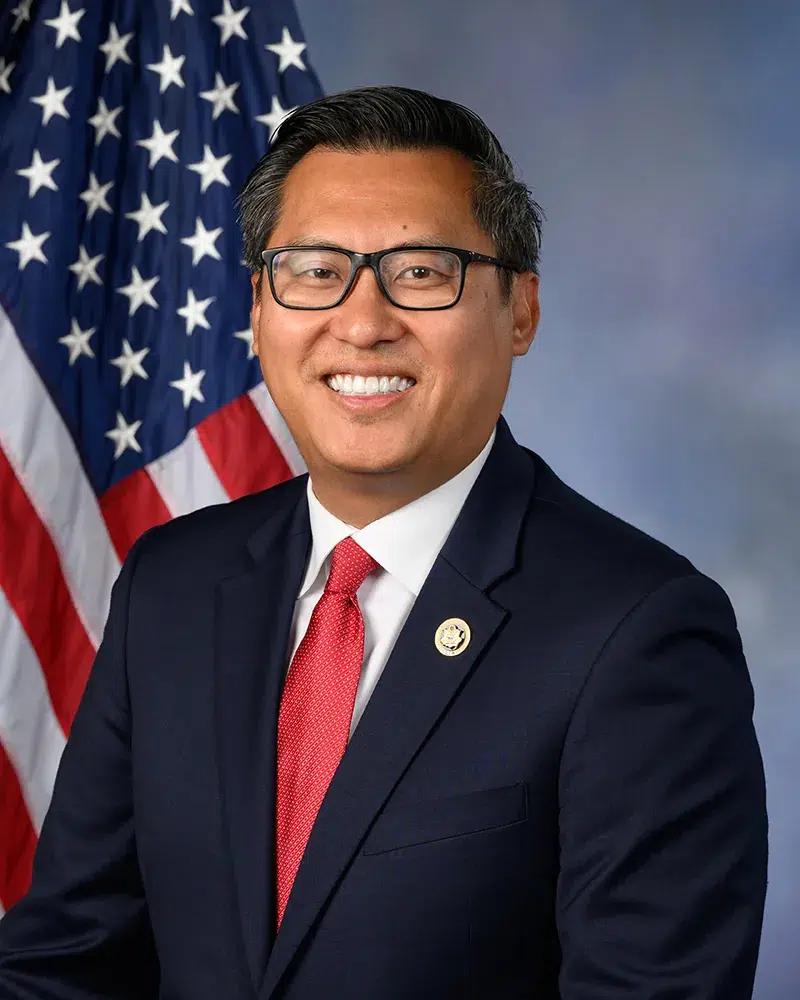
Photo: Official photo of congressman Vince Fong; via Wikipedia.
Uber is already fighting thousands of sexual assault and harassment claims in court. Now, a new federal transportation bill has opened another front in the company’s broader battle over legal responsibility.
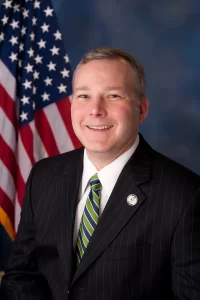
According to reporting from The Sacramento Bee, California U.S. Rep. Vince Fong introduced an amendment to a major federal transportation funding bill that would sharply limit when rideshare companies can be held legally responsible for harm caused by their drivers.
For passengers and assault survivors, the issue is simple but significant: if someone is harmed during a rideshare trip, when can the company behind the app be held accountable?
What The Proposed Federal Amendment Would Do
The amendment was added to the BUILD America 250 Act, a large federal transportation bill dealing with highways, bridges, public transit, rail, and other infrastructure issues.
But the Uber-related provision is not really about building roads.
It is about liability.
As reported by The Sacramento Bee, the amendment would generally prevent rideshare companies from being held liable for damages caused by drivers unless the company itself was grossly negligent or engaged in criminal wrongdoing.
In many civil lawsuits, plaintiffs may argue that a company is responsible because it created, controlled, profited from, or failed to properly supervise the system that allowed the harm to occur. In rideshare cases, that may include questions about driver screening, complaint handling, safety warnings, rider protections, or whether the company knew about patterns of misconduct.
The proposed federal amendment could make those cases harder by raising the legal threshold and narrowing the circumstances under which rideshare companies could be held responsible.
What This Means For Uber Sexual Assault Lawsuits
Uber is currently facing more than 3,000 lawsuits in federal court filed by passengers who allege they were assaulted or harassed by Uber drivers.
Many of those cases have been consolidated in federal multidistrict litigation (MDL). Plaintiffs in those cases have alleged that Uber knew about reports of sexual assault and harassment involving drivers, but failed to do enough to protect passengers.
The federal litigation has already produced two important early verdicts. In February 2026, a federal jury in Arizona awarded $8.5 million to Jaylynn Dean, who alleged she was raped by an Uber driver when she was 19. The jury found Uber liable for the driver’s conduct, although it did not award punitive damages. In April 2026, a North Carolina federal jury again found Uber liable in a separate passenger assault case, but awarded a much smaller amount: $5,000. Together, the verdicts show how these early “bellwether” trials provide both sides a clearer sense of how juries may view Uber’s responsibility, the strength of different legal theories, and the potential value of future claims. The next federal Uber sexual assault bellwether trial is reportedly scheduled for September 2026.
The new federal amendment could become important because it appears aimed at limiting corporate liability for rideshare companies when harm is caused by drivers using the platform.
Critics argue that this could affect not only future cases, but potentially ongoing litigation as well. Survivor advocates and corporate accountability groups have warned that the amendment could make it more difficult for passengers to bring claims against Uber, even when the alleged harm involves serious misconduct such as sexual assault.
Uber Says Lawsuits Drive Up Costs
Supporters of the amendment argue that rideshare companies are being targeted by expensive lawsuits even when the company itself did not directly cause the harm.
Rep. Fong reportedly described the amendment as an affordability measure, arguing that lawsuits against rideshare companies can increase costs for riders. The argument is that companies should not be responsible for every act committed by an independent driver, especially when the company is not accused of direct wrongdoing.
That position is consistent with a broader legal strategy Uber has pursued for years: the company often argues that it is a technology platform connecting riders and drivers, not a traditional transportation company responsible for everything that happens during a trip.
Critics Say The Amendment Could Shield Uber From Accountability
Opponents see the issue very differently.
Consumer advocates, trial lawyer groups, and survivor advocates argue that rideshare companies should not be able to profit from passenger transportation while avoiding responsibility when safety systems fail.
Ralph Nader, the longtime consumer safety advocate, reportedly criticized Uber’s broader legal and political efforts, arguing that they move away from the corporate accountability principles that helped improve automobile safety over the last several decades.
Groups opposing the federal amendment say it could weaken state laws, limit victims’ ability to sue, and interfere with pending efforts in California to increase rideshare accountability in sexual assault cases.
The concern is not simply whether Uber should be liable every time a driver harms someone. The concern is whether a federal law could block passengers and survivors from even fully testing those claims in court.
The Federal Amendment Is Part Of A Larger Uber Liability Fight
The proposed federal change comes as Uber is fighting liability on several fronts.
In California, Uber has backed a ballot measure aimed at limiting attorney fees and changing how certain injury claims are handled. Trial attorneys and accountability groups have opposed those efforts, arguing that limits on attorney fees could make it harder for injured people to find lawyers willing to take complex cases.
At the same time, another California ballot effort backed by Uber critics seeks to increase rideshare accountability in cases involving sexual assault and harassment.
In other words, the fight is not limited to one lawsuit or one legal theory.
Uber is defending itself in court, supporting political campaigns, backing changes to liability rules, and now facing scrutiny over a federal transportation bill provision that could reshape how rideshare lawsuits are handled.
Why Survivors (And Their Attorneys) Should Pay Attention
For survivors, these legal and political developments may feel distant or technical. But they could have real consequences.
Civil lawsuits often depend on the ability to ask hard questions: What did the company know? When did it know it? What safety measures were available? Were complaints ignored? Were drivers properly screened? Were riders warned? Were safer systems rejected because they were expensive or inconvenient?
If liability rules are narrowed too far, survivors may have fewer opportunities to force those questions into the open.
That is why the federal amendment has become controversial. It could shift the balance of power away from passengers and toward large rideshare companies, even while Uber and similar platforms continue to play a major role in everyday transportation.
Is Uber A Tech Platform Or A Transportation Company?
At the center of the debate is a familiar question: What is Uber?
Uber has long framed itself as a technology company that connects independent drivers with riders. Critics argue that, in practical terms, Uber operates as a transportation company and should be held to a higher standard when passenger safety is at stake.
That question has enormous consequences.
If Uber is treated mainly as a neutral platform, it may be harder to hold the company responsible for driver misconduct. If Uber is treated more like a transportation provider, courts and lawmakers may expect stronger safeguards, greater oversight, and broader accountability.
The proposed federal amendment could push the law in Uber’s preferred direction.
For sexual assault survivors and passenger safety advocates, that makes the amendment more than a technical provision in a transportation bill. It is part of a larger fight over whether rideshare companies can be held accountable when passengers are harmed during trips arranged through their platforms.
Uber Sexual Assault Lawsuits
Uber is facing thousands of sexual assault and harassment claims from passengers who allege they were harmed by rideshare drivers. SurvivorsRights.com is following the litigation, safety concerns, and legal developments affecting survivors.
Learn More About The Uber Sexual Assault Lawsuits