Skip to content

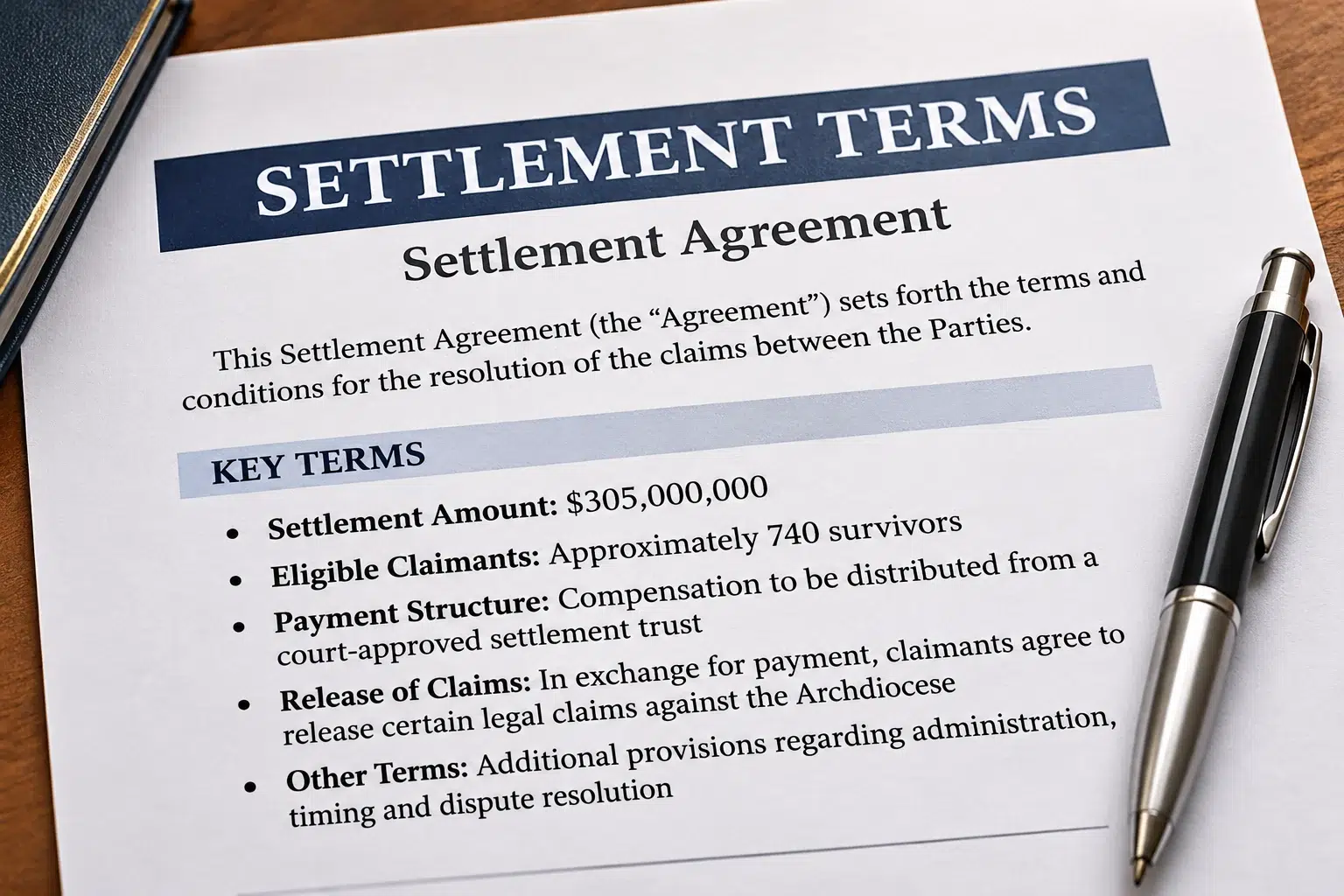
Image: AI-generated illustration. Not an actual legal document.
After more than six years of bankruptcy proceedings, hundreds of clergy sexual abuse survivors in Louisiana are finally receiving compensation from the Archdiocese of New Orleans, The Guardian (opens in a new tab) reported.
As of last Friday, approximately $180 million had been distributed to 450 survivors from a $305 million settlement fund, according to trustee Don Massey, who oversees the payments.
That’s more than half the settlement money and roughly 60% of the approximately 740 survivors eligible for compensation.
But for many survivors, the payments are arriving decades after the abuse occurred, and years after they first sought accountability through the courts.
The report, published Saturday by The Guardian and WWL Louisiana (opens in a new tab), describes a mixture of relief, frustration and sadness among survivors who have begun receiving their settlements.
For some, the money represents an opportunity to move beyond years of litigation. Others remain angry about how long the process took.
Six Years After Bankruptcy, Survivors Finally Receive Payments
The Archdiocese of New Orleans filed for Chapter 11 bankruptcy protection in May 2020 while facing mounting sexual abuse lawsuits involving priests and other church personnel.
The bankruptcy effectively shifted claims against the archdiocese into a centralized federal proceeding, where survivors had to negotiate compensation through a court-supervised process.
After years of contentious negotiations, the archdiocese and survivors reached a $305 million settlement in 2025.
The agreement was confirmed by the bankruptcy court in December of that year, and the archdiocese subsequently deposited the settlement funds into a trust.
But that didn’t mean survivors immediately received their money.
A complicated claims-evaluation process still had to determine how much each person would receive.
By November 20, payments had reached 450 survivors, either directly or through their legal representatives.
Massey said he hopes to distribute the remaining payments before the end of 2026, although outstanding paperwork and unresolved administrative issues could cause further delays.
Why Did the $305 Million Settlement Take So Long to Distribute?
One major obstacle was the system used to calculate individual compensation.
Rather than divide $305 million equally among survivors, the settlement established a points-based process intended to account for the severity of the abuse and its lasting impact.
Claims had to be evaluated before payment amounts could be determined.
That process took several months during the summer of 2026.
Massey also reported difficulties obtaining records from the archdiocese that were needed to evaluate individual claims.
And even after awards were calculated, survivors and their representatives still had to complete and return distribution paperwork.
According to the trustee, hundreds of those forms remained outstanding as of November 20.
The result was a substantial delay between approval of the settlement and the arrival of payments.
Medicare and Medicaid Claims Created Another Obstacle
One of the more unusual complications involved government healthcare benefits.
Some survivors had received treatment through Medicare or Medicaid for medical or mental health conditions potentially connected to childhood sexual abuse.
The federal Centers for Medicare and Medicaid Services (CMS) sought reimbursement from certain settlement payments to recover costs associated with that care.
In other words, survivors faced the possibility that part of their compensation could be diverted to repay government healthcare programs.
Massey challenged those reimbursement efforts, arguing that the settlement payments compensated survivors for pain and suffering rather than medical expenses.
According to The Guardian, the trustee persuaded CMS that the payments were not subject to those recovery claims.
However, approximately 30 Medicare liens remained unresolved at the time of the November 20 update.
Resolving those outstanding claims is among the final administrative hurdles before the remaining payments can be distributed.
Survivors Describe Relief and Frustration Over the Bankruptcy
For survivors who have already received compensation, the payments mark the end of an exhausting legal process.
Theo Jackson, who was sexually abused as an 11-year-old at Hope Haven, a Catholic orphanage in suburban New Orleans, described the payment as a source of relief after years of uncertainty.
Aaron Hebert, who was abused as a child by former priest Lawrence Hecker, expressed similar relief but remained critical of how the bankruptcy proceedings unfolded.
Hecker was convicted of rape in 2024 and died in prison later that year.
Hebert questioned why survivors had to endure years of bankruptcy litigation when Catholic institutions elsewhere had reached major settlements without filing for bankruptcy protection.
Bankruptcy can provide a mechanism for resolving large numbers of claims, but it can also delay individual lawsuits while survivors, insurers and church officials negotiate a comprehensive settlement.
For New Orleans survivors, that process lasted more than six years.
Bankruptcy Legal Fees Exceeded $50 Million
The New Orleans bankruptcy also proved exceptionally expensive.
According to The Guardian and WWL Louisiana, legal and professional fees associated with the proceedings exceeded $50 million.
That’s a remarkable figure considering that when the archdiocese initially filed for bankruptcy in 2020, then-Archbishop Gregory Aymond estimated that resolving the abuse claims would cost less than $7 million.
The ultimate $305 million settlement was vastly larger.
The number of claims also grew after Louisiana changed its childhood sexual abuse laws, temporarily allowing survivors to file civil lawsuits regardless of how long ago the abuse occurred.
Those changes gave additional survivors an opportunity to pursue claims that otherwise might have been barred by filing deadlines.
The archdiocese’s bankruptcy eventually became one of dozens involving Catholic institutions across the United States.
According to research maintained by Penn State Dickinson Law, more than 40 Catholic organizations have sought bankruptcy protection amid clergy sexual abuse litigation.
As of November 20, 2026, 29 of those organizations had resolved their bankruptcy cases.
What Happens Next for New Orleans Clergy Abuse Survivors?
The immediate priority is distributing the remainder of the settlement funds.
Massey and his staff are working to obtain outstanding paperwork, resolve remaining Medicare liens and complete payments to the approximately 290 survivors who had not yet received compensation as of November 20.
The trustee hopes to finish the process before the end of the year, although that timeline is not guaranteed.
Meanwhile, the archdiocese has begun revisiting allegations against clergy members identified during the bankruptcy.
New Orleans Archbishop James Checchio, who succeeded Aymond in 2026, reopened an internal review of clergy accused of abuse.
That review recently resulted in the late priest Paul Hart being added to the archdiocese’s list of clergy considered credibly accused of abuse.
For survivors, however, the most immediate milestone is financial.
After years of court proceedings, negotiations and delays, settlement money is finally reaching the people whose claims drove the bankruptcy.
The payments don’t erase what happened, and they don’t resolve every concern about the church’s handling of abuse.
But they do mark a significant step toward bringing one of the country’s longest-running Catholic clergy abuse bankruptcies to a close.
Related Coverage:
New Orleans Clergy Abuse Survivors Learn Maximum Payout from $305 Million Settlement Is About $640,000
New Orleans Archbishop Begins Survivor Meetings Under $300 Million Bankruptcy Settlement
Archbishop Issues Apology Letter To Survivors Of Sexual Abuse In New Orleans Archdiocese
New Orleans Survivors Testify as Judge Weighs $230 Million Catholic Diocese Settlement
New Orleans Archdiocese Sexual Abuse Lawsuit: “A Settlement Is Near”
New Orleans Archdiocese Historic $230 Million Abuse Settlement Trial Begins