Skip to content

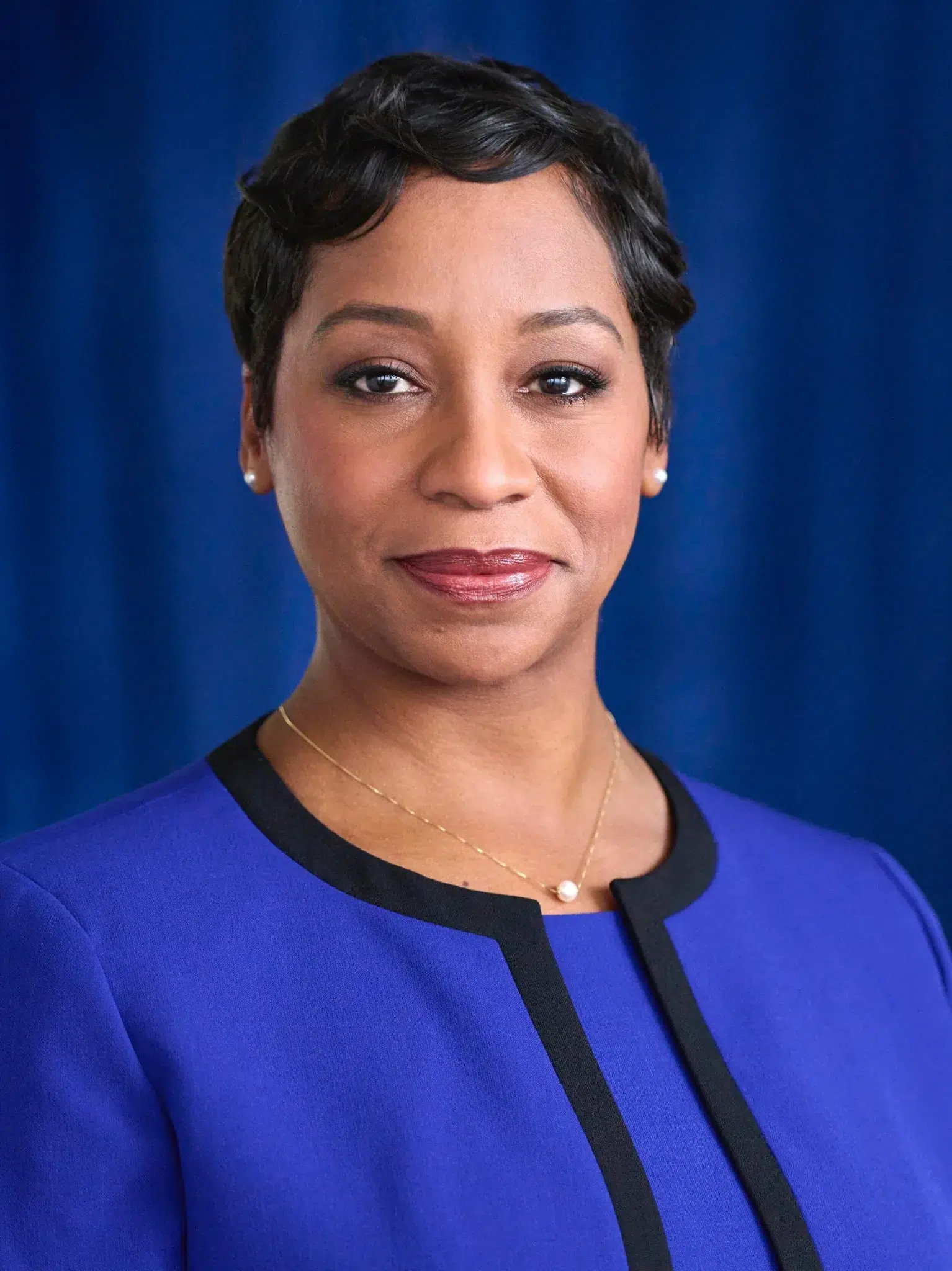
Photo: Massachusetts Attorney General Andrea Campbell by the Office of the Massachusetts Attorney General, via Wikimedia Commons. Public domain.
Survivors of childhood sexual abuse by Catholic clergy met privately with Massachusetts Attorney General Andrea Campbell on October 20, just weeks after her office released a report documenting decades of abuse and institutional failures across three Catholic dioceses, WGBH Boston reported.
The September 30 report found evidence that more than 270 clerics sexually abused nearly 1,000 children in the Dioceses of Fall River, Springfield and Worcester.
Now, survivors are pressing for changes that go beyond documenting the past, including removing legal barriers that prevent some people from filing civil lawsuits and requiring greater transparency about accused priests.
Survivors Meet With Attorney General After Investigation
Among those who met with Campbell was Skip Shea, 66, who has spoken publicly about being sexually abused by multiple priests in the Worcester Diocese beginning when he was 11.
Shea told New England Public Media (NEPM) that the private meeting left him encouraged by the attorney general’s response to survivors.
He said Campbell thanked those who had participated in the investigation and discussed continued efforts to change Massachusetts laws governing childhood sexual abuse claims.
Those proposals include eliminating civil filing deadlines, removing limits on certain damages against charitable organizations and creating a new opportunity for survivors whose claims have already expired.
The attorney general’s office has formally endorsed those reforms, although they would require legislative action before becoming law.
Massachusetts Laws Still Limit Some Sexual Abuse Claims
One of the biggest concerns for survivors is Massachusetts’ statute of limitations, which can prevent people from bringing civil claims involving abuse that occurred many years earlier.
Campbell’s office has called for eliminating the civil statute of limitations for childhood sexual abuse claims.
It also supports creating an indefinite lookback period, allowing survivors whose filing deadlines have already passed to pursue civil lawsuits.
Another issue is Massachusetts’ charitable immunity law.
The state’s $20,000 charitable immunity cap can restrict damages in certain civil cases involving nonprofit organizations, including religious institutions.
Campbell wants lawmakers to eliminate that cap for claims involving childhood sexual abuse.
These changes could substantially affect survivors who have been unable to pursue claims against religious organizations because of existing legal restrictions.
Worcester Survivors Want More Names and Abuse Records Released
Not every survivor believes the September investigation captured the full extent of abuse.
Cyndi MacKenzie, a survivor from the Worcester Diocese, said she wasn’t contacted by the attorney general’s office until after the report was completed.
She wants officials to continue gathering information and publish updated figures identifying additional survivors and clergy accused of abuse.
MacKenzie also called for a more complete public record showing where accused priests served and when they worked at particular parishes.
Such information could help other survivors recognize the names of people connected to their own experiences.
The Worcester Diocese remains the only Catholic diocese in Massachusetts without a publicly accessible list of credibly accused clergy, according to the attorney general’s September report.
The attorney general’s office acknowledged that it hadn’t spoken with MacKenzie during the investigation and said staff members subsequently contacted her.
Another Worcester survivor, Lynne Pottle, also said she had not been interviewed.
Pottle has described being sexually abused by a priest at Our Lady of Lourdes Church beginning in 1975, when she was 12.
She previously reported the abuse to diocesan officials and said she still wants the opportunity to provide her account directly to state investigators.
AG Report Found Decades of Church Failures
The investigation began in 2019 under then-Attorney General Maura Healey, who is now Massachusetts governor.
Investigators examined more than 300,000 pages of records and interviewed over 100 people, including survivors, advocates and diocesan personnel.
The report identified repeated failures by church leaders to investigate allegations, report misconduct to law enforcement and prevent accused or offending clergy from having continued access to children.
Investigators also documented instances in which priests were reassigned without adequate disclosure of earlier allegations.
The investigation did not produce new indictments, although some matters were referred to prosecutors.
In some cases, alleged misconduct occurred before laws were strengthened in 2002. Other potential criminal claims were affected by expired filing deadlines.
Survivors Say the Investigation Shouldn’t Be the Final Word
Campbell’s office has acknowledged that the full extent of abuse across the three dioceses may never be known.
Longstanding failures to investigate allegations, maintain accurate records and protect children have complicated efforts to establish a complete historical account.
For survivors, the September report represents an important acknowledgment of what happened. But the October meeting also demonstrated that questions remain about accountability, access to records and opportunities to pursue civil claims.
The next steps will depend partly on whether Massachusetts lawmakers advance the reforms Campbell has recommended.
For survivors whose legal options are currently restricted, those decisions could determine whether they ever have an opportunity to pursue their claims in court.
Related coverage:
Massachusetts AG Report Finds More Than 270 Catholic Clerics Abused Nearly 1,000 Children