Skip to content
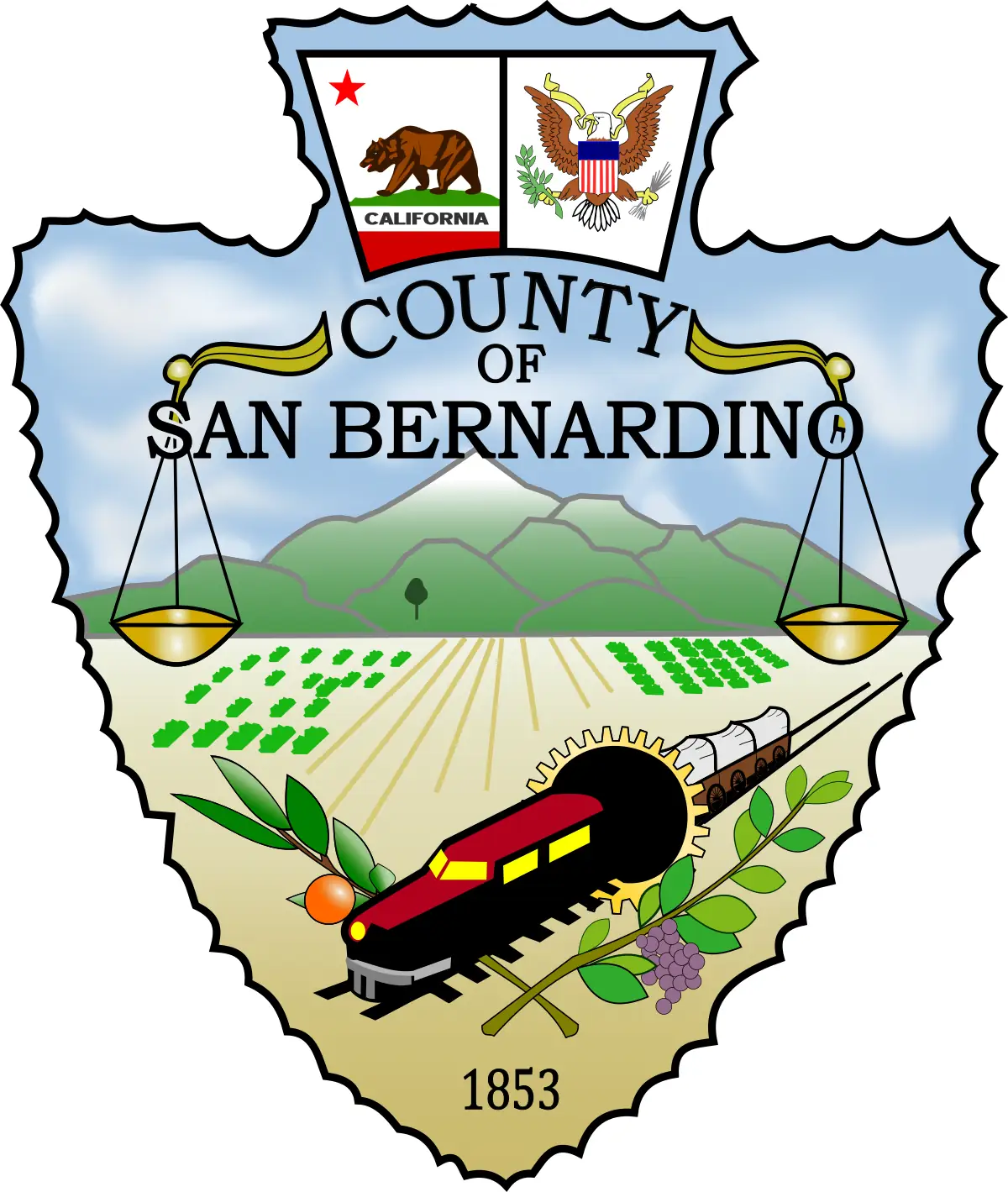
A second major lawsuit has been filed by former detainees alleging sexual abuse while they were minors in San Bernardino County juvenile detention facilities, expanding a wave of claims involving the county’s youth correctional system.
The new lawsuit, reported Tuesday by the San Bernardino Sun, alleges that dozens more former detainees experienced sexual abuse while in county custody.
It follows an earlier 2026 lawsuit involving 136 former juvenile detainees, both male and female, who alleged sexual abuse by staff members over a period stretching from 1996 to 2024.
Independent reporting on that earlier case described allegations involving rape, molestation, unwanted sexual contact, threats and coercion by employees working inside county juvenile facilities.
The allegations have not been proven in court, and San Bernardino County will have an opportunity to respond to the claims.
Earlier Lawsuit Named Multiple San Bernardino Juvenile Facilities
The first large 2026 lawsuit alleged abuse at several county-operated juvenile facilities, including:
- San Bernardino Juvenile Hall, later known as the Central Valley Juvenile Detention and Assessment Center
- San Bernardino Youth Justice Center
- High Desert Juvenile Detention and Assessment Center in Apple Valley
Plaintiffs alleged that sexual abuse occurred in locations including cells, showers, storage areas, restrooms and other places where staff members could allegedly isolate young detainees.
Some survivors also alleged that employees used their authority to intimidate children or discourage them from reporting what happened.
The earlier lawsuit argued that the allegations represented more than misconduct by isolated employees. Plaintiffs contend that county officials failed to adequately supervise staff, investigate warning signs or protect children placed in their custody.
Second Lawsuit Suggests the Number of Survivors Is Still Growing
When the 136-plaintiff lawsuit was reported earlier this year, attorneys involved in the litigation indicated that additional claims were expected.
The August filing appears to represent another wave of those allegations.
That is significant because juvenile detention sexual abuse cases often involve conduct that occurred many years before a survivor files a lawsuit.
Children in detention can be especially vulnerable to abuse because staff members control nearly every aspect of their daily lives, including movement, discipline, privileges and access to family members.
When the person accused of abuse is also an authority figure, young detainees may fear punishment, retaliation or disbelief if they report what happened.
Those dynamics can make disclosure difficult at the time the abuse occurs and can help explain why some survivors do not pursue legal action until years or even decades later.
California law has expanded the amount of time some survivors of childhood sexual abuse have to pursue civil claims. Lawsuits involving juvenile halls may also raise claims against counties or other public entities responsible for supervising and protecting children in custody.
Learn more about California sexual abuse lawsuits, filing deadlines and survivors’ legal options.
California Law Allowed Many Older Claims to Move Forward
The growing wave of juvenile detention litigation in California is closely connected to changes in the state’s statute-of-limitations laws.
In 2019, California enacted Assembly Bill 218, which significantly extended the filing period for many childhood sexual assault claims.
The law generally allows qualifying claims to be filed until the survivor reaches age 40 or within five years after the survivor discovers or reasonably should have discovered that a psychological injury or illness was caused by childhood sexual assault, whichever period expires later.
AB 218 also created a three-year revival window beginning January 1, 2020, allowing certain previously expired childhood sexual assault claims to be filed. That special revival window closed at the end of 2022.
The law expressly allows claims not only against an alleged perpetrator but also against a person or entity whose negligence or wrongful conduct allegedly contributed to the abuse.
That provision can be particularly important in juvenile detention cases because the county or institution had custody of the child and was responsible for providing a safe environment.
AB 218 Also Changed Rules for Claims Against Public Entities
Normally, lawsuits seeking damages from a California county or other public entity may involve special government-claim procedures.
AB 218 amended California law so that claims brought under the childhood sexual assault statute are excluded from the usual Government Claims Act presentation requirement.
The legislation also made that change retroactive to qualifying childhood sexual assault claims.
That change helped remove another procedural barrier that historically prevented some survivors from pursuing claims against government institutions.
Still, deadlines can be complicated, particularly for claims involving abuse that occurred at different times.
Survivors should therefore not assume that a claim is either timely or too old based only on the year the abuse occurred.
County Says It Has Zero Tolerance for Sexual Abuse
The San Bernardino County Probation Department currently states that it maintains a zero-tolerance policy for sexual abuse and sexual harassment involving youth in its detention and treatment facilities.
A 2026 Prison Rape Elimination Act audit likewise describes county policy prohibiting sexual activity involving detained youth and staff members, contractors, volunteers or other individuals working within the system.
The current lawsuits, however, concern allegations that in previous years children were abused despite the county’s responsibility to protect them.
Whether San Bernardino County failed in that duty will be determined through the litigation.
San Bernardino Claims Are Part of a Broader California Reckoning
San Bernardino is not the only California jurisdiction confronting historical allegations of sexual abuse in juvenile detention.
Across the state, survivors have filed lawsuits alleging that correctional officers, probation employees and other staff members abused children who were placed under government supervision.
Many of those claims share a common institutional theory: children were placed in facilities where adults exercised enormous control over them, abuse allegedly occurred within that power imbalance, and supervisors or government agencies failed to prevent it or adequately respond.
The expanding San Bernardino litigation adds another significant group of survivors to that broader legal reckoning.
What the New Lawsuit Means for Former Detainees
For people who spent time in San Bernardino County juvenile detention facilities years ago, the new lawsuit may be significant even if they are not currently among the plaintiffs.
Large groups of survivors coming forward can sometimes cause former detainees to reconsider experiences they had as children, particularly conduct they may not have understood at the time as abuse.
The allegations also demonstrate why the passage of many years does not necessarily mean that a survivor has no legal options.
California’s laws have changed considerably, and whether an individual claim remains viable depends on factors including the survivor’s age, when the alleged abuse occurred, when its effects were discovered and which defendants may be legally responsible.
The second San Bernardino lawsuit does not establish that every former detainee has a claim, nor does it prove the allegations against the county.
But the growing number of people willing to come forward sends an important message to survivors of institutional abuse: An experience that happened in juvenile detention decades ago does not automatically disappear from the reach of the civil justice system simply because time has passed.