Skip to content
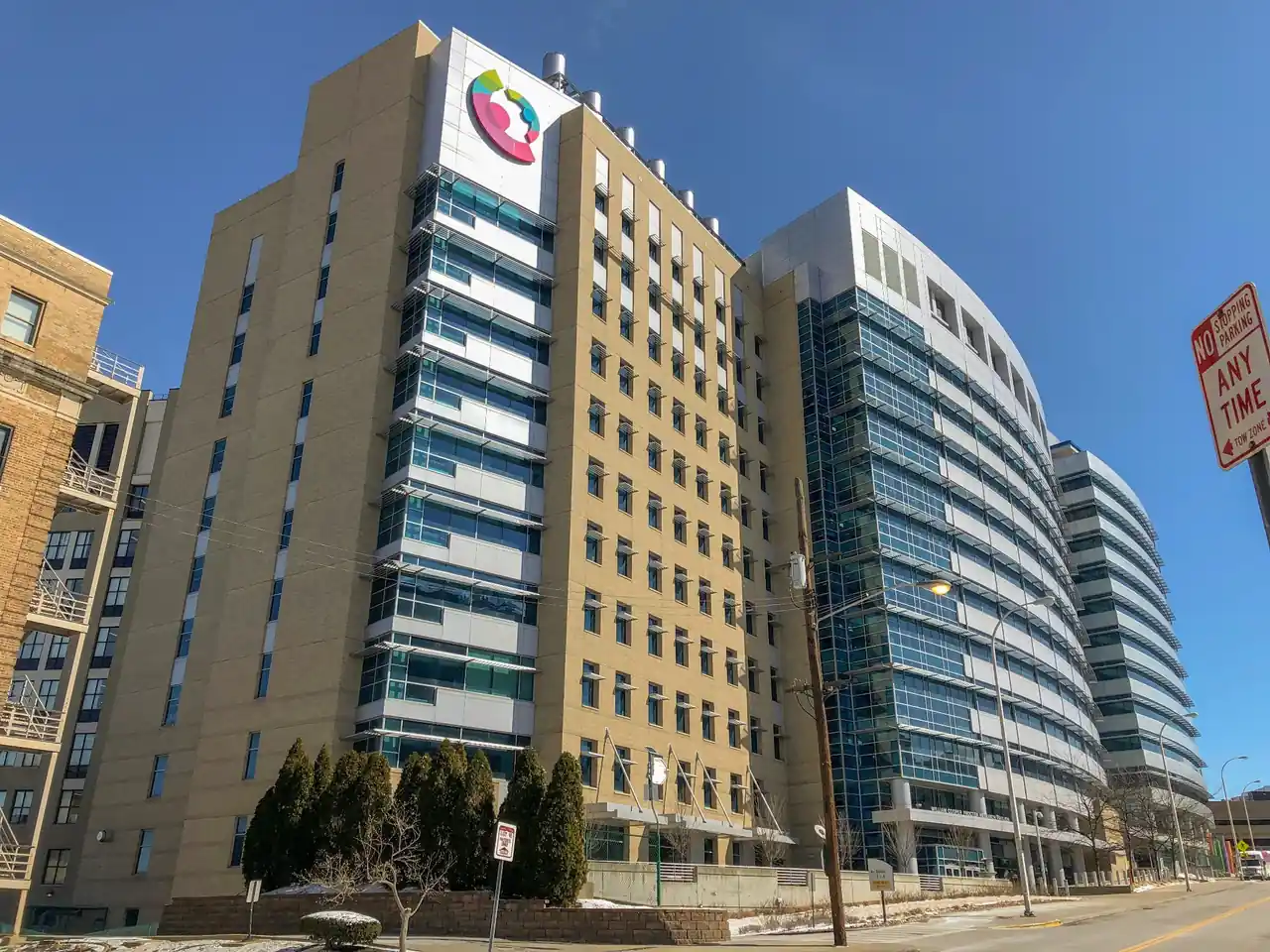
Photo: The William Cooper Procter Pavilion at Cincinnati Children’s Hospital Medical Center; via Wikipedia.
A new Ohio lawsuit includes 50 former patients of longtime Cincinnati Children’s Hospital physician Dr. Howard Saal, who is accused in civil litigation of sexually abusing and exploiting children while presenting his conduct as legitimate medical care, The Cincinnati Enquirer reported.
The lawsuit, filed August 10 in Hamilton County Common Pleas Court, includes 38 patients who are still minors and 12 former patients who are now adults.
Local television station WKRC separately reported that the case names 79 plaintiffs in total, including former patients and family members. The lawsuit names both Saal and Cincinnati Children’s Hospital as defendants. (WKRC)
The new filing is one of several civil lawsuits brought against Saal and Cincinnati Children’s following his arrest on separate federal child sexual abuse material charges in August 2025.
The allegations against Saal have not been proven in the civil case, and the federal criminal case remains pending.
Lawsuit Alleges Unnecessary Exams and Photographs
According to the lawsuit, Saal sexually abused or exploited some patients while conducting examinations that appeared to children and their parents to be medically necessary.
Saal specialized in genetics and dysmorphology and worked at Cincinnati Children’s for more than 30 years.
The latest plaintiffs allege that some examinations included medically unnecessary genital examinations. The lawsuit also accuses Saal of photographing children while they were unclothed or partially unclothed, including taking photographs of genital areas or other parts of their bodies that allegedly had no connection to the reason for the medical appointment.
Some parents were allegedly told that photographs were necessary for research or educational purposes.
The complaint also alleges that Saal sometimes asked parents to leave examination rooms, leaving children alone with him.
According to the Enquirer, the plaintiffs maintain that many of the photographs were never incorporated into their children’s medical records.
Lawsuit Questions Cincinnati Children’s Safeguards
The lawsuit is not focused solely on Saal’s alleged conduct.
It also accuses Cincinnati Children’s Hospital of failing to adequately protect patients in its care.
According to the complaint, the hospital lacked sufficient safeguards to ensure that photographs taken during patient examinations served legitimate medical purposes. Plaintiffs allege that this allowed Saal’s conduct to continue without adequate scrutiny.
The lawsuit also alleges that hospital employees raised concerns about his use of a camera but that those concerns were not adequately investigated.
In one alleged incident described by the Enquirer, a nurse told a parent that photographs Saal had taken were unnecessary for the patient’s care.
The plaintiffs contend that Cincinnati Children’s failed in its responsibility to protect patients and failed to properly respond to warning signs.
Cincinnati Children’s has previously said that it does not comment on pending litigation.
Saal Also Faces Separate Federal CSAM Charges
The civil allegations involving former patients should be distinguished from the separate federal criminal prosecution against Saal.
In August 2025, federal prosecutors charged Saal with transportation and possession of child sexual abuse material.
According to the U.S. Attorney’s Office for the Southern District of Ohio, investigators searching Saal’s electronic devices allegedly discovered more than 150,000 images and hundreds of videos depicting child sexual abuse.
Federal authorities have not said that the material depicted Saal’s former patients.
The federal case began after law enforcement received a cybertip concerning material allegedly associated with an IP address linked to Saal.
He subsequently surrendered his Ohio medical license in July 2025 while authorities were investigating him.
The criminal charges are pending, and Saal is presumed innocent unless proven guilty. Federal court filings reported by the Enquirer indicate that plea negotiations were underway as of August 10.
Other Former Patients Have Filed Lawsuits
The August lawsuit is part of a growing group of civil claims involving Saal and Cincinnati Children’s.
An earlier lawsuit filed in November included more than 80 plaintiffs, according to the Enquirer. Other former patients and parents have similarly questioned whether examinations and photography performed by Saal had legitimate medical purposes.
The accumulation of claims could make the hospital’s alleged institutional response increasingly important.
In cases involving abuse by physicians or other healthcare providers, plaintiffs may pursue claims not only against the person accused of abuse but also against the hospital, medical practice or other institution that employed or supervised that person.
Such cases can involve allegations of negligent supervision, inadequate safeguards, ignored complaints or failures to properly respond after concerns were raised.
Whether Cincinnati Children’s bears legal responsibility for the alleged conduct will ultimately depend on evidence presented in the litigation.
Ohio Gives Childhood Sexual Abuse Survivors Limited Time to File Some Claims
The increasing number of former patients coming forward also highlights an important issue for Ohio survivors: filing deadlines are critical.
Unlike states that have abolished civil statutes of limitations for many childhood sexual abuse claims or opened broad revival windows for previously expired lawsuits, Ohio continues to impose time limits on many such claims.
Under the current Ohio Revised Code, many civil claims resulting from childhood sexual abuse must generally be brought within 12 years after the cause of action accrues, with the statute providing that these claims generally accrue when the survivor reaches adulthood.
That can effectively give many survivors until approximately age 30 to pursue certain childhood sexual abuse claims, although exceptions and different deadlines can apply depending on the facts of the case.
Ohio law also provides a tolling provision for certain claims involving abuse occurring on or after August 3, 2006 when a defendant allegedly fraudulently concealed facts forming the basis of the claim.
Because statutes of limitations are highly fact-specific, survivors should not assume that they either qualify or are automatically barred based solely on their age or how long ago an examination occurred.
Impacts of the Cincinnati Children’s Lawsuits Matter for Survivors
Medical settings require an extraordinary degree of trust. Children and parents routinely allow physicians to conduct examinations that would be considered inappropriate in almost any other setting because they believe those examinations are medically necessary.
That makes safeguards particularly important when examinations involve intimate areas of the body, medical photography or situations in which a child is separated from a parent.
The allegations involving Saal raise questions that extend beyond the actions of a single physician, such as: What systems should hospitals have in place to distinguish legitimate medical examinations and photography from inappropriate conduct? What should happen when staff members or parents express concerns? And what responsibility does an institution bear if warning signs are missed or ignored?
Those questions will now be considered as the civil litigation proceeds.
For former patients who are only now questioning experiences they had during childhood, the growing number of lawsuits may also provide an important reason to seek information rather than dismiss their concerns simply because years have passed.
Ohio’s filing laws can be restrictive, and not every former patient will necessarily have a viable claim. But the allegations now being raised by dozens of patients demonstrate why survivors and families who have concerns about past medical examinations may want to determine what legal options remain available rather than assuming that nothing can be done.