Skip to content
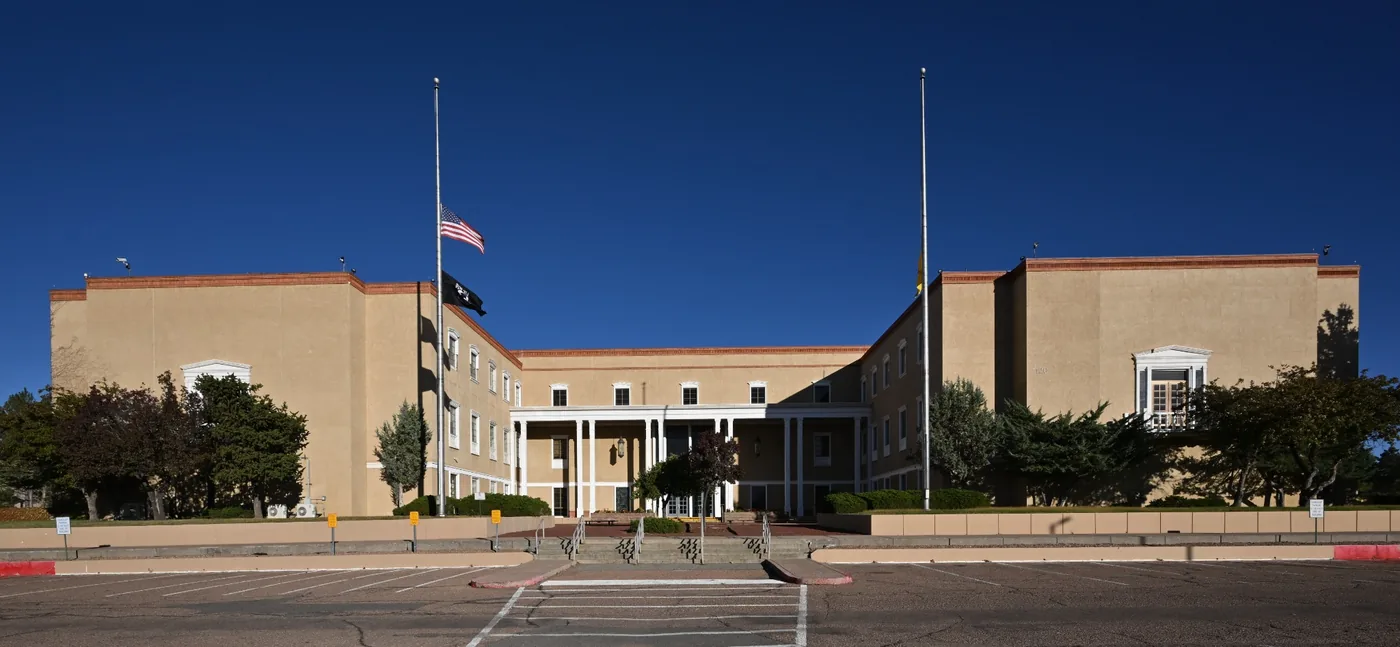
Photo: The PERA government building in Santa Fe, New Mexico, which houses several state agencies including Children Youth and Families Department. By G. Edward Johnson – Own work, CC BY 4.0, via Wikimedia Commons
New Mexico’s Children, Youth and Families Department has agreed to pay $1.4 million to settle a lawsuit alleging the state failed to protect two siblings who were starved, physically abused and, in one child’s case, sexually abused after being placed with a Taos foster family, The Santa Fe New Mexican reported.
The settlement provides $700,000 to each child and resolves a lawsuit filed in 2022 in New Mexico’s First Judicial District Court. According to the lawsuit, CYFD received multiple reports raising concerns about the children’s treatment but failed to substantiate the allegations or remove them from the home until years later.
The case highlights a particularly troubling issue in institutional abuse cases: what happens when the agency responsible for protecting vulnerable children allegedly receives warning signs of abuse but does not intervene effectively.
Lawsuit Alleged CYFD Missed Repeated Warning Signs
The two children initially entered state custody following allegations of abuse and neglect involving their biological parents. CYFD identified a Taos couple as prospective adoptive parents in 2014, and the siblings began living with the family while the adoption process moved forward.
According to the civil complaint, CYFD received a report in 2017 alleging physical abuse and inappropriate discipline in the home. The lawsuit alleges investigators identified safety concerns but did not substantiate the abuse allegations. Instead, the case was closed and the family was referred to community services.
CYFD subsequently approved the children’s adoption.
Another report followed in 2019, again alleging physical abuse and inappropriate discipline. The lawsuit claims the department once more closed its investigation and referred the family for services, despite allegedly failing to ensure that the family actually participated in those services.
Then, in 2020, one of the children’s schools reported suspected abuse and neglect.
School personnel expressed serious concerns that food was being withheld from the boy. He was 11 years old at the time and weighed less than 70 pounds, according to the lawsuit.
Despite those concerns, the lawsuit alleges CYFD initially closed that investigation without significant intervention.
Child Allegedly Said He Was Being Starved and Beaten
The allegations that eventually emerged were severe.
According to the lawsuit, the boy reported that his adoptive parents sometimes provided him with only one hot dog at noon and another at dinner. Food was allegedly withheld as punishment, and at one point he reported having gone two days without eating.
He also allegedly was prohibited from leaving his bedroom to use the bathroom and was forced to relieve himself inside the room.
The lawsuit further alleges the boy was subjected to physical abuse, including beatings by older children in the household at the direction of the adoptive parents.
His sibling was allegedly subjected to both physical and sexual abuse.
CYFD eventually substantiated allegations of physical neglect and abuse, and the adoptive parents were criminally charged.
The adoptive father faced charges that included first-degree criminal sexual penetration of a child. Both parents ultimately entered no-contest pleas to lesser offenses. The mother received a nine-year prison sentence, while the father was sentenced to 20 years.
CYFD Does Not Admit Fault in $1.4 Million Settlement
The lawsuit was settled in late July 2026.
CYFD spokesperson Jake Thompson told the Santa Fe New Mexican that the agency does not admit fault when settling cases and evaluates lawsuits based on their individual facts and the risks associated with proceeding to trial.
In this case, CYFD determined that resolving the matter before trial was appropriate.
The $1.4 million payment, which comes just about a week after another major child-safety case drew national attention, when a New Mexico jury ordered Meta to pay $567 million over allegations that its platforms failed to adequately protect children from sexual exploitation and other harms, is reportedly the largest CYFD lawsuit or tort-claim settlement recorded by the New Mexico Sunshine Portal so far in 2026. The agency has paid more than $1.8 million in such settlements this year, according to the newspaper.
Why This Case Matters for Survivors of Institutional Abuse
The allegations illustrate why institutional abuse lawsuits are not always limited to claims against the individual accused of committing the abuse.
When a child has been placed in foster care, a residential facility, school, treatment program or another institution responsible for their safety, a civil case may also examine what the institution knew, when it knew it and whether reasonable action was taken to protect the child.
In this case, the lawsuit did not merely allege horrific conduct inside the adoptive home. It accused the state child-welfare agency of failing to respond adequately to multiple reports and warning signs before finally substantiating the abuse.
That distinction can be crucial for survivors.
Institutional claims may involve allegations such as negligent supervision, failure to investigate, failure to respond to reports of abuse, unsafe placement decisions or other failures that allegedly allowed abuse to continue.
New Mexico law can also impose special procedural requirements and filing deadlines when a claim involves a governmental entity. An analysis prepared for the New Mexico Legislature, for example, notes that the state Tort Claims Act contains a two-year limitation period and a 90-day notice requirement in circumstances where the Act applies. Because the deadlines and available claims can depend heavily on the facts of an individual case, survivors or families considering legal action should not assume they have unlimited time to act.
Schools, foster care systems, religious organizations, youth programs and other institutions may face claims when their actions — or failures to act — allegedly allowed abuse to occur or continue.
Learn more about institutional sexual abuse lawsuits and survivors’ legal options.
A Settlement Cannot Undo What Happened
The attorney who represented the children told the Santa Fe New Mexican that he hoped bringing the alleged failures to light through litigation could help prevent other children from suffering similar harm.
For survivors and their families, that is one of the broader consequences institutional abuse litigation can have.
Financial compensation cannot erase years of abuse. But civil lawsuits can provide a way to investigate how abuse was allowed to occur, establish accountability beyond the individual perpetrator and potentially expose systemic failures that place other children at risk.
New Mexico’s CYFD currently directs people who suspect child abuse or neglect to report it through the agency’s Statewide Central Intake system.