Skip to content
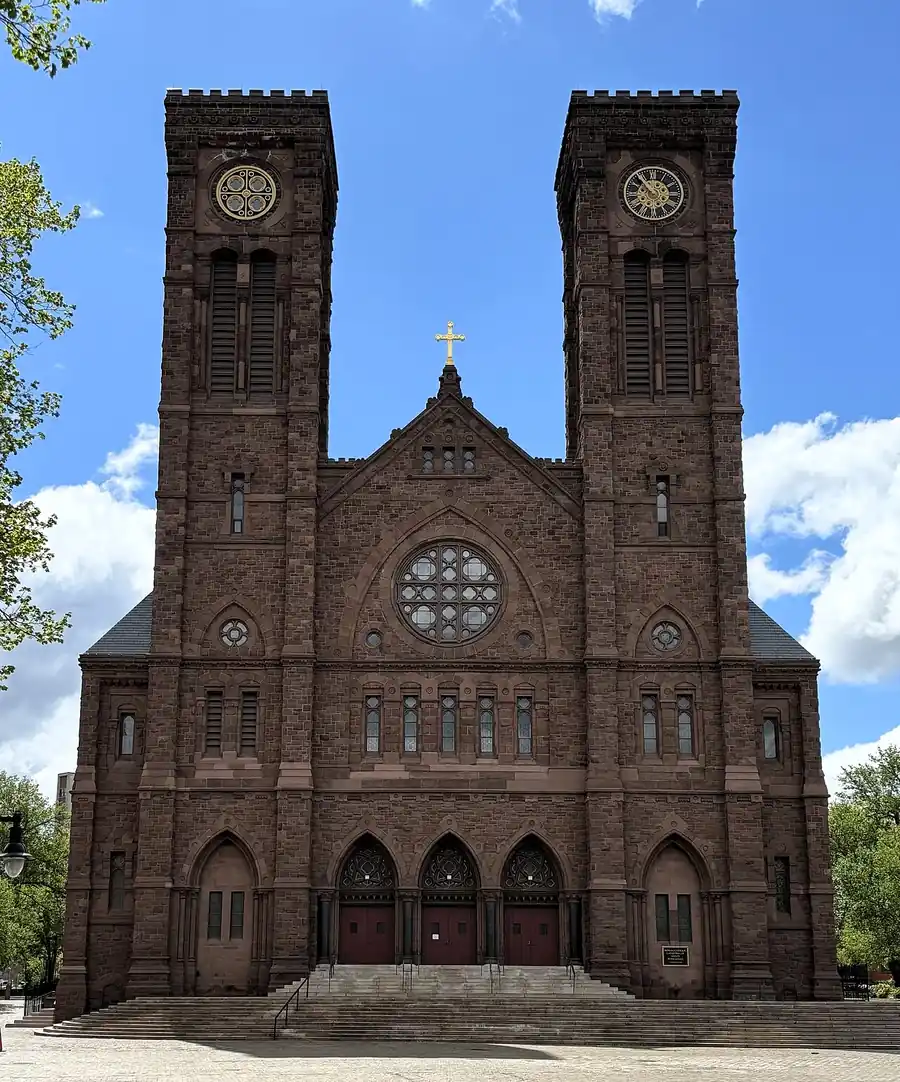
More than 40 lawsuits alleging childhood sexual abuse by Roman Catholic clergy in Rhode Island have been assigned to a single Superior Court judge, The Providence Journal reported (reposted on SNAP: Survivors Network of those Abused By Priests).
Judge Richard A. Licht will oversee the growing group of cases filed after Rhode Island opened a two-year window allowing survivors to pursue certain civil claims that were previously blocked by the statute of limitations.
Were You Abused by a Catholic Priest or Church Employee?
Survivors may have legal options for seeking compensation from a diocese, religious order, parish, school, or other Catholic institution. Learn more in our Catholic Church Sexual Abuse Lawsuit Guide.
Rhode Island’s Revival Window Has Triggered a Wave of Lawsuits
The first cases were filed on July 1, 2026, when Rhode Island’s childhood sexual abuse revival window took effect. The temporary window remains open through June 30, 2028.
It allows qualifying survivors to file civil lawsuits involving childhood sexual abuse even when the previous deadline for bringing a claim had already expired.
More than 40 lawsuits were filed during the window’s first two weeks, and additional cases are expected.
The legislation was signed by Governor Dan McKee following years of advocacy and the release of a Rhode Island Attorney General’s Office report examining decades of alleged clergy abuse and the Diocese of Providence’s response to accusations.
Why the Cases Were Assigned to One Judge
Judge Licht has supervised the Rhode Island judiciary’s mass-tort calendar since 2025. That calendar is intended for groups of complicated lawsuits involving similar allegations, defendants, or legal issues.
Managing the clergy abuse cases through one judge could help the court coordinate discovery, resolve common legal questions, establish filing procedures, and prevent different judges from issuing conflicting rulings.
Judge Licht may also select representative cases for early trials. These proceedings, commonly called bellwether trials, can help the parties evaluate how juries may respond to evidence and legal arguments that appear across numerous lawsuits.
A bellwether verdict does not automatically decide the other claims. However, the results can influence settlement negotiations and provide both sides with information about the potential value and risks of continuing the litigation.
What the Rhode Island Clergy Abuse Lawsuits Allege
Many of the lawsuits name the Roman Catholic Bishop of Providence, individual parishes, and other people or organizations connected to the alleged abuse.
The complaints generally seek to hold Catholic institutions responsible for allegedly failing to protect children from clergy members accused of abuse.
Some lawsuits also allege that church officials negligently supervised clergy, concealed accusations, reassigned accused priests, or misrepresented what they knew about clergy members who may have posed a danger to children.
These allegations have not yet been decided at trial. The defendants will have an opportunity to dispute the claims and present their own evidence.
Attorney General’s Report Examined Decades of Alleged Abuse
Rhode Island Attorney General Peter Neronha released a comprehensive report in March 2026 following an investigation that began in 2019 with assistance from the Rhode Island State Police.
The investigation reviewed decades of diocesan records concerning allegations of child sexual abuse. The Attorney General’s Office reported that it had identified dozens of clergy members it considered credibly accused and described institutional failures in how complaints were handled.
The report also recommended reforms intended to remove legal barriers for survivors and improve the way abuse allegations are investigated.
Passage of the revival-window legislation gave survivors a new path to pursue claims against alleged offenders and institutions that may have enabled or concealed abuse.
How the Diocese of Providence Has Responded
The Diocese of Providence opposed legislation reviving previously expired claims and disputed portions of the attorney general’s findings.
In its response, the diocese emphasized that many of the allegations involved conduct dating to the 1960s, 1970s, and 1980s. It also pointed to child-protection reforms instituted over approximately the past three decades.
The diocese maintained that the attorney general’s report represented untested conclusions rather than findings established through a court proceeding. It also argued that the report’s release was timed to affect debate over the revival-window legislation.
The lawsuits assigned to Judge Licht will now provide survivors and defendants with a formal legal process in which evidence can be presented and the allegations evaluated.
Rhode Island Clergy Abuse Survivor Claim Deadline
Rhode Island’s revival window is scheduled to close on June 30, 2028. Survivors whose claims were previously barred may therefore have a limited period in which to explore their legal options.
Clergy abuse lawsuits can require attorneys to locate decades-old records, identify responsible organizations, interview witnesses, and investigate whether church officials received earlier complaints about an accused individual.
Survivors considering a claim do not necessarily need to possess church documents or other institutional records before contacting an attorney. A lawyer experienced in childhood sexual abuse litigation can investigate the available evidence and determine whether the claim may qualify under Rhode Island law.
Were You Abused by a Catholic Priest or Church Employee?
Survivors may have legal options for seeking compensation from a diocese, religious order, parish, school, or other Catholic institution. Learn more in our Catholic Church Sexual Abuse Lawsuit Guide.