Skip to content
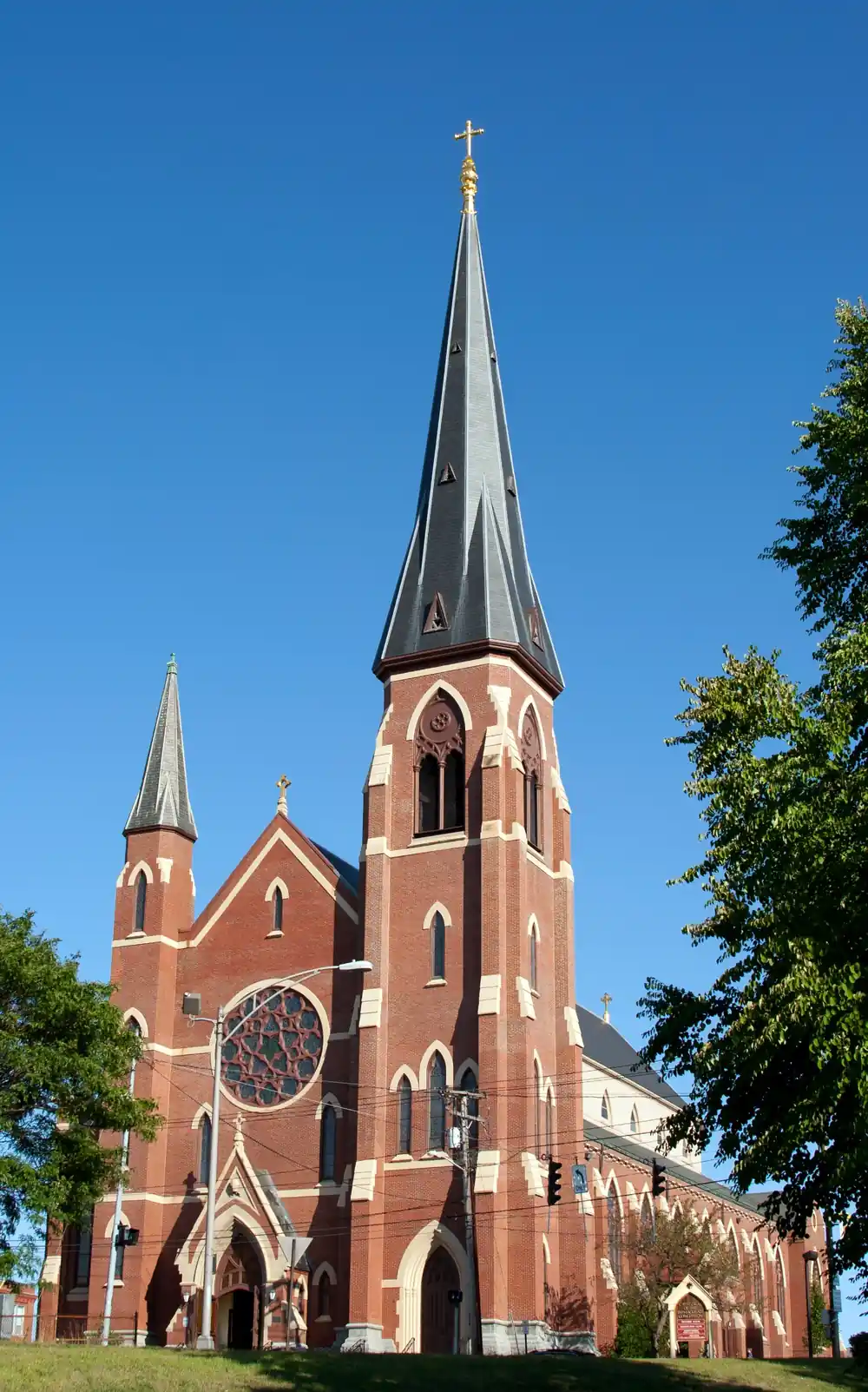
The Roman Catholic Diocese of Portland has reached financial agreements with some survivors who accused Catholic priests of childhood sexual abuse decades ago even though Maine’s highest court previously ruled that their expired civil claims could not be revived, Portland’s ABC news affiliate WMTW News Channel 8 reported.
The development provides an unusual path toward compensation for at least some survivors whose lawsuits were effectively blocked by a landmark 2025 statute-of-limitations ruling.
The settlements involve allegations of clergy sexual abuse dating from 1954 through 1988. The Diocese has not disclosed how many survivors will receive compensation or the amounts being paid.
An Usual Ruling For Portland Diocese Survivors
The agreements are significant because they come after the Roman Catholic Diocese of Portland successfully challenged a Maine law intended to reopen the courthouse to survivors of decades-old childhood sexual abuse.
Maine lawmakers amended state law in 2021 so that civil lawsuits involving sexual abuse of minors could be filed regardless of when the abuse occurred or whether an earlier filing deadline had already expired.
That change resulted in lawsuits against the Portland Diocese involving allegations stretching back decades.
But in January 2025, the Maine Supreme Judicial Court ruled in Robert E. Dupuis et al. v. Roman Catholic Bishop of Portland that the state could not constitutionally revive claims whose statutes of limitations had already expired.
The court concluded that once an older filing deadline expired, defendants obtained a vested right to be free from those claims. The ruling therefore prevented the 2021 law from reopening certain previously time-barred lawsuits.
The decision involved 13 plaintiffs whose lawsuits alleged childhood sexual abuse by Catholic clergy and other individuals associated with the Diocese.
Maine Still Has No Filing Deadline for Certain Child Sexual Abuse Claims
The 2025 ruling did not restore a blanket statute of limitations for all childhood sexual abuse lawsuits in Maine.
Current Maine law states that civil actions based on qualifying sexual acts against minors “may be commenced at any time.” However, under the Dupuis decision, that provision cannot revive a claim if the applicable statute of limitations had already expired before Maine changed the law.
That distinction can make determining whether a particular survivor still has a viable lawsuit complicated.
Factors including when the abuse occurred, which law applied at the time, when a previous limitations period expired and whether another legal theory or tolling rule applies can potentially affect the analysis.
Survivors should therefore not assume that an older claim is automatically barred solely because the abuse happened decades ago.
Diocese Voluntarily Agrees to Compensate Some Survivors
Despite prevailing in the statute-of-limitations litigation, Bishop James Ruggieri has authorized financial settlements with some of the survivors whose allegations involved older abuse.
Ruggieri said the agreements were intended to provide a tangible acknowledgment of the seriousness and lasting effects of the reported abuse.
Attorneys representing survivors were reportedly still determining which terms of the agreements could be disclosed publicly.
The Diocese declined WMTW’s request for an interview.
The decision to compensate survivors voluntarily is particularly noteworthy because the Diocese may no longer face the same civil litigation exposure from some of these claims following the Dupuis ruling.
Portland Diocese Has Previously Settled Clergy Abuse Claims
These are not the first financial settlements involving clergy sexual abuse allegations against the Roman Catholic Diocese of Portland.
In 2016, the Diocese agreed to pay $1.2 million to six men who alleged they were sexually abused by former priest James Vallely. The lawsuits also accused church leaders of concealing allegations involving Vallely over a period of decades.
The Diocese denied liability as part of that settlement.
More broadly, Catholic dioceses and archdioceses around the country have paid billions of dollars to resolve clergy sexual abuse claims.
Recent major agreements include an $880 million settlement by the Archdiocese of Los Angeles in 2024 and a proposed $395 million settlement involving more than 500 claims against the Archdiocese of San Francisco earlier this year.
You can review additional major cases in our guide to the largest Catholic clergy sexual abuse settlements in the United States.
Jury verdicts have also demonstrated the potential value of individual clergy abuse cases when claims can proceed to trial. In 2026, for example, an Alameda County, California jury awarded $16 million to a survivor who said he was sexually abused as a child by a former Catholic priest during the 1970s.
Settlement and verdict amounts vary substantially, however, depending on the evidence, applicable law, defendants involved, available insurance and the circumstances of each survivor.
What the Maine Ruling Means for Other Survivors
For Maine survivors, the Portland settlements highlight an important distinction between whether an institution can be sued and whether it may nevertheless choose to compensate survivors through settlement or another resolution process.
The Dupuis ruling creates a substantial obstacle for people whose civil claims expired under older Maine law before lawmakers attempted to revive them in 2021.
It does not necessarily mean that every survivor of childhood sexual abuse in Maine is prohibited from filing a claim.
Because statutes of limitations have changed repeatedly over the decades, and because different facts can produce different legal outcomes, survivors considering legal action may want an attorney experienced in childhood sexual abuse litigation to determine which deadline applies to their individual circumstances.
A legal review may also examine whether claims potentially exist against a diocese, parish, school or other institution in addition to the person accused of committing the abuse.
Legal Options for Catholic Clergy Abuse Survivors
Survivors of sexual abuse involving a Catholic priest, clergy member, church employee or other person connected with a religious institution may have legal options even when the abuse occurred many years ago.
Potential cases can involve allegations that an institution failed to protect children, ignored warning signs, negligently supervised clergy or concealed information about previously reported abuse.
Filing deadlines vary significantly from state to state, and decisions such as Maine’s Dupuis ruling demonstrate why the date of the abuse alone does not determine whether a lawsuit is possible.
Survivors Rights provides information about Catholic clergy sexual abuse lawsuits, filing deadlines, institutional liability and options survivors may have for seeking compensation.
Catholic Church Sexual Abuse Lawsuits: Learn About Your Legal Options
If you experienced sexual abuse involving a Catholic priest, clergy member, church employee or other person connected with the Catholic Church, learn more about filing deadlines, institutional liability, settlements and potential legal options in our Catholic Church Sexual Abuse Lawsuit Guide.
SurvivorsRights.com provides general informational resources and does not provide legal advice.