
 Skip to content
 Understand your legal options if you experienced sexual abuse involving the LDS Church, including possible claims, filing deadlines and next steps.
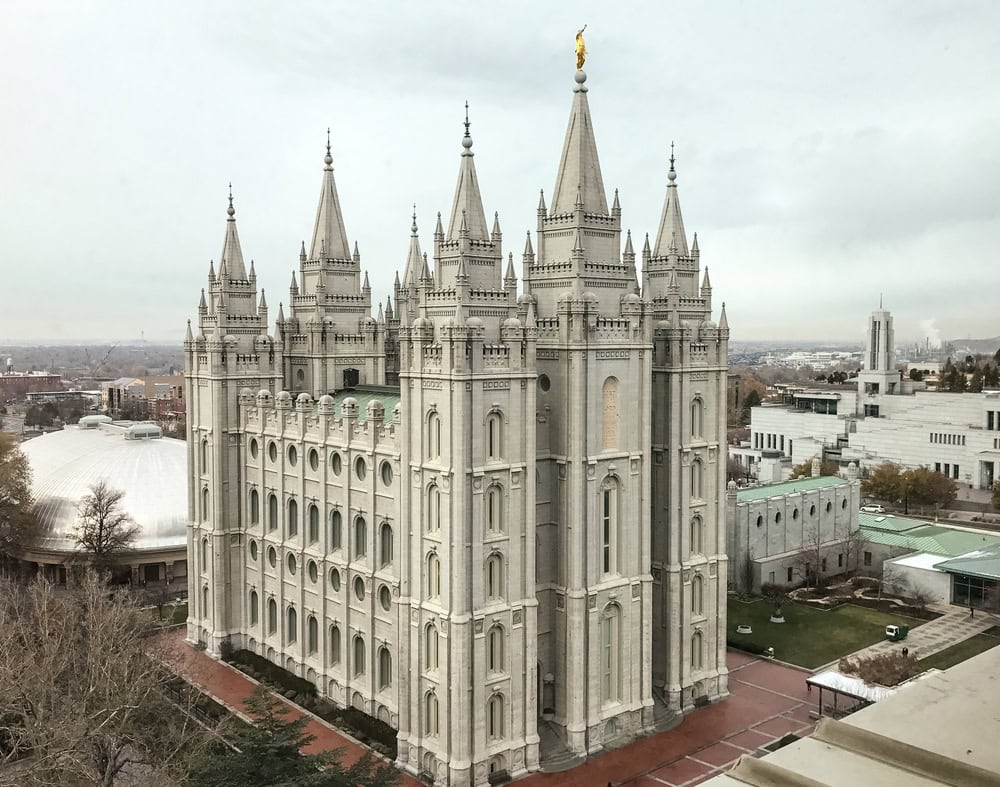
You may have legal options if you experienced sexual abuse involving a bishop, missionary, Church leader, employee, volunteer, member, Church-sponsored program or affiliated activity connected to The Church of Jesus Christ of Latter-day Saints.
Depending on the facts and the law in your state, responsibility may extend beyond the individual who committed the abuse. A lawsuit may also allege that Church leaders or entities failed to report abuse, ignored warning signs, failed to provide adequate supervision, discouraged disclosure or otherwise contributed to the harm.
This guide explains how LDS Church sexual abuse lawsuits work, who may be held responsible, filing deadlines, reported settlements, potential compensation and how to speak with an attorney experienced in these cases.
Some states have extended filing deadlines or opened temporary revival windows that allow certain previously expired childhood sexual abuse claims to be filed. Whether you still have time to bring a claim can depend on where and when the abuse occurred, your age at the time and who may be legally responsible. SurvivorsRights.com may be able to connect you with an attorney who handles LDS Church sexual abuse claims and can explain what deadlines may apply to your situation.
Sexual abuse allegations involving the Church of Jesus Christ of Latter-day Saints have led to lawsuits in multiple states, including claims involving bishops, youth leaders, missionaries and other people connected to the Church.
Some lawsuits focus on the conduct of the individual accused of abuse. Others also allege that Church leaders or affiliated entities failed to report abuse, ignored warning signs, provided inadequate supervision or discouraged survivors from speaking openly about what happened.
These cases can raise difficult questions about institutional responsibility, particularly when abuse is alleged to have occurred within a Church-sponsored program, congregation, youth activity or other setting where adults held positions of trust or authority.
For survivors, one of the most important legal questions is whether responsibility may extend beyond the person who committed the abuse. That can depend on the facts, the relationship between the individual and the Church, and the law in the state where the abuse occurred.
If you experienced sexual abuse involving the LDS Church, you may have legal options even if many years have passed. Filing deadlines vary widely by state, and some states have extended deadlines or opened revival windows for older claims.
Want to Understand Your Legal Options?
You can request a case review to learn whether you may still have a claim and what deadlines could apply. SurvivorsRights.com may be able to connect you with an attorney who handles LDS Church sexual abuse cases.
There’s no obligation to move forward.
A federal judge in Oregon granted the LDS Church’s request for judgment on the pleadings in a lawsuit brought by a survivor who alleged Church entities failed to act appropriately after learning of sexual abuse within her family. The court concluded that the Church did not owe or violate the duties alleged in the complaint. However, the survivor was allowed to amend her claims, so the case was not necessarily over. [SOURCE: Justia Law]
The Arizona Supreme Court ruled that clergy members who learn about child abuse through qualifying confidential religious communications are not required to report that information under the state’s mandatory-reporting law. The case involved three children who sued the LDS Church and two bishops after alleging the bishops learned of abuse within the family but did not report it to authorities. The ruling overturned an appellate decision and emphasized protections for confidential religious communications under Arizona law. It does not create a nationwide rule, but it may affect how failure-to-report claims are evaluated in Arizona. [LEARN MORE]
The 10th Circuit revived an effort by The Church of Jesus Christ of Latter-day Saints to obtain insurance reimbursement for legal costs and settlements arising from West Virginia lawsuits involving childhood sexual abuse by Michael Jensen. A lower court had ruled that each survivor’s abuse constituted a separate insurance occurrence, leaving each settlement below the policies’ coverage thresholds. The appeals court found the term “occurrence” ambiguous and ruled that the church could plausibly treat its alleged failure to protect multiple children as one continuing occurrence. The decision does not change the survivors’ settlements or establish that the insurers must pay, but it allows the church’s coverage case to continue. [SOURCE: Courthouse News]
An Arkansas judge has allowed a sexual abuse lawsuit tied to an LDS affiliated congregation to proceed, rejecting early efforts to end the case and permitting the plaintiff’s claims about institutional negligence and failure to protect children to move into the evidence gathering phase. [SOURCE: Northwest Arkansas Democrat Gazette]
The final defendant has settled a civil lawsuit accusing former West Linn, OR physician David Farley of sexually abusing more than 100 patients, resolving a case that was widely described as seeking nearly $1 billion in damages. Court filings and reporting also highlighted Farley’s involvement with the LDS Church, which has drawn additional scrutiny as survivors and advocates examine how religious and community affiliations may have intersected with institutional silence. While the civil case has concluded, Farley still faces pending criminal charges, and survivors say the litigation exposed systemic failures that helped drive reforms aimed at preventing future medical and institutional sexual abuse. [SOURCE: KATU]
Federal prosecutors in Utah and Ohio have charged Wade S. Christofferson, the brother of Latter day Saint apostle D. Todd Christofferson, with attempting to sexually exploit children, alleging he abused a child in Ohio more than a dozen times and engaged in sexually explicit communications and hands-on abuse involving a 7-year-old Utah girl. Investigators say a search of his home uncovered alarming evidence, including coded letters, explicit requests made during FaceTime calls, and a modified attic crawl space decorated with children’s writing. Christofferson was arrested in Utah, appeared in federal court, and will be extradited to Ohio to face the charges. [SOURCE: Salt Lake Tribune]
Bravo’s upcoming three-part docuseries Surviving Mormonism with Heather Gay will feature Real Housewives of Salt Lake City star Heather Gay as she investigates allegations of abuse and secrecy within the LDS Church. The series, premiering November 11 after an episode of Real Housewives, follows Gay as she interviews survivors, former church leaders, and ex-members to uncover what Bravo describes as “the dark history” of the church, says the Salt Lake Tribune.
Across the episodes, Gay speaks with former conversion therapy advocate David Matheson, reconnects with a friend who discloses his own abuse, and meets two sisters who say their father abused them while church leaders ignored their pleas for help. By the series’ conclusion, Gay pledges to take action. The docuseries, which will also stream on Peacock, highlights ongoing concerns about the LDS Church’s handling of sexual abuse claims and echoes broader accountability movements unfolding nationwide.
Former Oregon family physician David Farley, a longtime leader in his local Latter-day Saint (LDS) congregation, has been charged with 11 felony counts of sexual abuse involving three patients. Nearly 200 women and girls have accused Farley of misconduct over three decades of medical practice in West Linn, OR, where he worked at Providence Willamette Falls Medical Center, Legacy Meridian Park Hospital, and his own clinic.
After the Clackamas County District Attorney’s Office failed to secure an indictment in 2022, the Oregon Department of Justice reopened the case, leading to Farley’s 2025 arrest. The charges include offenses against minors and adult patients, with alleged incidents spanning from 2009 to 2020.
Farley and several Oregon healthcare institutions are also facing a $1 billion civil lawsuit filed by 180 former patients, who accuse the doctor of disguising abuse as medical treatment. Survivors have criticized local authorities for mishandling the initial investigation, which an independent 2024 report later confirmed was deeply flawed.
Russell M. Nelson, president of The Church of Jesus Christ of Latter-day Saints, died on Sept. 27. He was 101. His tenure was marked by rapid growth and visible policy shifts, including reversing a rule that had barred the baptism of children of same-sex couples and other efforts presented as steps toward inclusion. At the same time, his presidency faced mounting scrutiny over how the church handles reports of sexual abuse. A 2022 Associated Press investigation spotlighted serious flaws in the church’s response system. Survivor-led databases such as Floodlit have cataloged thousands of publicly reported allegations tied to LDS programs. Nelson’s era also overlapped with the Boy Scouts of America bankruptcy and settlement, where the LDS Church contributed to resolving scouting-related claims amid broader questions about institutional liability. For survivors, leadership changes do not alter your rights or deadlines. Civil claims depend on state law and evidence, and there may be time-limited windows to file. If abuse involved church settings or affiliated programs, documenting your experience and speaking with a qualified attorney can help you understand options for compensation, confidentiality, and accountability. Fill out the confidential, secure form on this page for a free case review.
Two Washington families have filed lawsuits against the LDS Church, alleging the church knowingly allowed a high priest with a history of child sexual abuse to continue working with children at a Seattle-area church and daycare in the 1980s. The priest was later convicted, but the families claim church leaders ignored early warnings and failed to act.
In a civil lawsuit involving over 170 former patients of Oregon doctor David Farley, the LDS Church is fighting a subpoena that could reveal whether church leaders knew about abuse allegations, Oregon Public Broadacsting reports. Plaintiffs allege Farley used his role as a trusted church leader to gain access to girls and young women under the guise of medical care. The church argues clergy privilege and jurisdictional limits protect the requested records. A Multnomah County judge will decide whether the church must disclose what it knew.
In other recent developments, PennLive.com reports that Shawn C. Gooden, a former LDS bishop, scout leader, and Harrisburg attorney, is facing child rape charges in Berks County. He has voluntarily resigned from the bar and has been officially disbarred in Pennsylvania.
An Arizona appeals court has revived a lawsuit accusing the LDS Church and two bishops of failing to report sexual abuse committed by a Bisbee man, Paul Adams, against his children. The case had previously been dismissed due to clergy-penitent privilege, but the appeals court ruled a jury should decide whether church leaders had knowledge of the abuse beyond protected confession. The ruling may set a precedent for how clergy reporting duties are interpreted when abuse disclosures extend outside confessional settings.
This Arizona ruling echoes a similar legal battle in Washington State, where courts are weighing whether the Catholic Church can withhold reports of child sexual abuse under clergy-penitent privilege, despite mandatory reporting laws requiring disclosure when abuse is known outside of confession.
Former Colorado Springs deputy DA and LDS church leader David George McConkie accepted a plea deal, avoiding prison time after admitting to attempted sexual assault of a child. He received five years of supervised probation, must register as a sex offender, and is barred from contact with minors. The judge cited his unemployment, disbarment, and family situation in lieu of jail time. The Denver Gazette covered the legal proceedings; the non-profit website, Floodlit has a profile on McConkie.
For over two decades, top Mormon men serving as Boy Scouts of America (BSA) executives allegedly knew about internal abuse records known as the “perversion files” — but may never have warned the LDS Church. These confidential files tracked sexual abuse allegations against scout leaders, including those operating in LDS-sponsored troops. According to investigative reporting by Floodlit.org, five LDS men held a paid liaison role between the BSA and the Mormon Church from 1963 to 1989, directly communicating with high-level church leaders. Yet in a 2012 sworn statement, the church claimed it first learned about these files in 1989. One of those BSA liaisons, John Fanning, also a Mormon bishop, was later convicted of child molestation.
These findings deepen public scrutiny over what the LDS Church knew, when it knew it, and what steps it did or didn’t take to protect children from sexual abuse within scouting and church programs.
Another investigation by Floodlit.org reveals that the LDS Church may have misrepresented the timeline of sexual abuse litigation against it. In 2012, top church official, Paul Rytting, stated under oath that the first sexual abuse lawsuit filed against the church occurred in 1989. However, Floodlit has uncovered two earlier cases: one in 1986 involving Trent Rogers, and another tied to Kenneth Ray that was originally filed on July 5, 1984.
This new evidence raises serious concerns about the church’s institutional memory and transparency regarding its handling of abuse claims. Whether the inaccurate 2012 statement was intentional or not, it highlights ongoing questions about the LDS Church’s efforts to acknowledge and account for its history of enabling abuse. If you want to go down the rabbit hole and learn more about the timeline of the Kenneth Ray lawsuits during the 1980s, read Floodlit’s investigation here.
Three updates provided by Floodlit.org deepen the picture of institutional sexual abuse within the Mormon church. First, Floodlit uncovered over $1.26 million in previously unknown LDS Church expenses tied to three child sex abuse settlements, revealing a behind-the-scenes letter in which an LDS risk manager invoked “gentleman’s agreements” with the Boy Scouts of America to share costs—costs that reportedly led to higher BSA registration fees in the ’80s and ’90s. Second, Floodlit exposed a coverup involving Edwin Dyer, a Mormon scoutmaster in Oregon accused of molesting 15 boys over 28 years; the church quietly paid $200,000 to one victim and spent over $58,000 in legal fees, without alerting authorities before Dyer was fatally shot by one of his victims in 1986. Finally, in a recent update about Oregon’s largest-ever sexual abuse lawsuit, involving more than 150 women and girls suing Dr. David Farley, a former Mormon stake high council member and family physician, last month, a Multnomah County judge ruled that Farley cannot be compelled to answer deposition questions about his involvement with the LDS Church. The decision, based on Fifth Amendment protections, raises ongoing concerns about institutional accountability, as many of Farley’s alleged victims say they knew him through church roles.
The Church of Jesus Christ of Latter-day Saints has reached a proposed settlement that could resolve more than 100 childhood sexual abuse lawsuits filed across California. The cases involve decades-old abuse allegations against LDS bishops, youth leaders, and volunteers. While the financial terms remain undisclosed, the settlement is expected to offer closure and compensation for survivors who came forward during California’s statute-of-limitations lookback window.
FLOODLIT reports that The Church of Jesus Christ of Latter-day Saints filed an appeal with the U.S. Court of Appeals for the Tenth Circuit after losing a federal lawsuit in Utah over insurance coverage for a $32 million sexual abuse settlement and $27 million in legal defense costs. The original case stemmed from the Church’s response to child sex abuse allegations in West Virginia involving convicted abuser Michael Jensen.
The church is seeking reimbursement from its insurers for nearly $90 million in total expenses related to that case. Although the West Virginia lawsuit cost the LDS Church about $59 million in settlement and legal fees, the Church is seeking up to $90 million from its insurers to cover not only that case but also hundreds of other abuse-related payouts it claims fall under the same coverage period. The Church argued that insurers were obligated to reimburse costs exceeding its $15 million self-insured limit. The appeal follows a District Court ruling that the insurance companies had no duty to indemnify the Church. FLOODLIT claims the LDS Church has paid at least $51 million in known sex abuse settlements since 1990, with hundreds more lawsuits still pending.
The nonprofit that documents and uncovers LDS Church sexual abuse, FLOODLIT, reported Charles Sheldon Bates, a longtime Mormon church member and Boy Scout leader in Salt Lake County, was arrested April 17 for allegedly sexually abusing four boys over a span of 14 years. Bates is accused of committing sexual abuse in multiple locations, including his home, vehicle, the Kearns Community Pool, and on Boy Scout trips. Court documents allege Bates also created child sexual abuse material (CSAM) featuring multiple victims. Police reportedly found 134 CSAM images in his possession, including images flagged by the National Center for Missing & Exploited Children. At the time of his arrest, Bates was affiliated with the Kearns Utah North Stake of the LDS Church. He remains in custody without bail. The case is the latest in a growing number of criminal investigations and lawsuits linked to sexual abuse in Mormon-affiliated programs.
The LDS Church is reportedly close to settling more than 100 sexual abuse lawsuits filed across six U.S. states since August 2024. According to court documents obtained by watchdog group FLOODLIT.org, both plaintiffs and church representatives filed joint motions in multiple cases on April 15 and 16, asking the courts to pause proceedings while they finalize the terms of a global settlement. The two sides reached a “settlement in principle” during an April 10 mediation, with plans to finalize by July 28. If completed, it would be the largest known sexual abuse settlement in LDS Church history. The lawsuits include disturbing allegations against over 20 bishops and senior leaders, including claims that church attorneys and officials interfered with law enforcement. This proposed resolution follows the recently revealed $32 million settlement in a separate West Virginia abuse case, which cost the Church an additional $27 million in legal fees (see below).
Even if a large settlement is finalized, survivors who haven’t yet come forward may still have time to file a claim—especially in states with open or extended statute-of-limitation windows.
The Utah District Court found that The Church of Jesus Christ of Latter-day Saints cannot compel its insurers to cover a settlement related to child sexual abuse in West Virginia. The case centered around abuse committed by Michael Jensen (see entry below), who was affiliated with the LDS Church. After settling with victims, the Church sued its insurers, claiming they were obligated to cover the payout. However, the court ruled that the insurance providers had no duty to defend or indemnify the Church under their policies. The decision effectively leaves the LDS Church financially responsible for the settlement.
While the ruling does not impact the validity of other survivors’ cases, it may influence how the Church approaches future settlements and defenses, potentially making it more cautious in negotiations, or more likely to litigate cases rather than settle quickly.
FLOODLIT.org, a non-profit organization investigating sexual abuse in The Church of Jesus Christ of Latter-day Saints, revealed that the LDS Church spent nearly $60 million to defend and settle a major child sexual abuse lawsuit involving convicted predator Michael Jensen. Jensen, a Mormon church member and grandson of a senior church employee, was convicted in 2013 of abusing multiple children in Utah and West Virginia. Despite early warnings—including a psychologist’s assessment that he was likely to reoffend—church leaders allowed him to continue serving in trusted roles with children. In 2018, the church quietly paid a $32 million mid-trial settlement to resolve civil claims brought by six families. (The Church spent the other $27 million on legal fees.) The case, which involved years of alleged cover-ups and misuse of the Church’s internal abuse “help line,” is now considered the largest known sexual abuse payout in LDS Church history, far surpassing its previous reported high of $4 million. Kudos to Floodlit.org for the team’s painstaking work, analyzing over 2,700 pages of court recrords.
As mentioned in the news entry above, a judge ruled against the LDS Church in its lawsuit seeking up to $90 million from two insurers for defense fees and settlement payouts in the Jensen case.
The U.S. Judicial Panel on Multidistrict Litigation (JPML) has denied (PDF link) a request to consolidate nearly 50 child sexual abuse lawsuits against the Church of Jesus Christ of Latter-day Saints into a single federal MDL (multidistrict litigation). Survivors and their attorneys had hoped that combining the cases in one court would streamline the discovery process, minimize conflicting rulings, and create a more efficient path toward justice. However, the JPML concluded that the allegations span over five decades and involve too many differing circumstances to be handled as one unified case. For survivors, this means their lawsuits will move forward individually in separate courts across the country. While this may slow down some cases and increase legal complexity, it does not reduce survivors’ legal rights. In some instances, the ruling could allow for more personalized outcomes. Survivors are encouraged to speak with attorneys we partner with who are experienced in LDS Church abuse cases to understand what this decision means for their claim.
A recent Arizona Court of Appeals ruling has revived part of a lawsuit against the LDS Church and its members, signaling a major shift in how mandated reporting laws may be interpreted going forward. The case involves three children who endured years of sexual abuse by their father, Paul Adams, a former Border Patrol agent, while several members of the local Mormon congregation either knew or suspected the abuse and failed to report it. The court rejected a lower court’s interpretation that Arizona’s Mandatory Reporter Law only applies to professionals, instead ruling that anyone who assumes responsibility for a child—such as a Sunday school teacher or church volunteer—may have a legal obligation to report suspected abuse.
Scott Owen — a former LDS Church leader and licensed therapist — was sentenced to at least 15 years in prison by Utah’s Fourth District Judge Kraig Powell in Provo, for sexually abusing multiple patients under the guise of therapy. Survivors, many of whom were referred by LDS bishops and struggling with their sexuality and faith, say Owen manipulated their beliefs and used his authority to normalize abuse. While the LDS Church was not a defendant, this case raises serious concerns about the church’s referral practices and lack of oversight over therapists paid with church funds.
A wave of new lawsuits has been filed against the Church of Jesus Christ of Latter-day Saints (LDS) in California, alleging widespread sexual abuse by church leaders. The lawsuits stem from a three-year legal look-back window, which temporarily allowed survivors of childhood sexual abuse to file claims regardless of when the abuse occurred. Nearly 100 survivors have now come forward with accusations, painting a disturbing picture of systemic abuse and institutional cover-ups within the LDS Church.
Three siblings are asking the Arizona Court of Appeals to revive their lawsuit against a Mormon bishop and physician, John Herrod, who they say failed to report years of abuse by their father, Paul Adams. The children’s legal team argues that Herrod, acting as both their family doctor and a local LDS bishop at a small congregation in Bisbee, lost his legal right to keep the father’s confession private when he disclosed it to the children’s mother and urged her to call the police. The plaintiffs say this action waived any clergy-penitent privilege, meaning Herrod should have reported the abuse himself.
The lawsuit, filed in 2021, also targets the LDS Church, claiming leaders were aware of the abuse for years but chose to protect the church’s image instead of intervening. Herrod’s legal team said he was spiritually prohibited from reporting the confession and that his actions did not break confidentiality. The court is also weighing whether to allow new testimony from the now-teenaged children, who were too young to speak for themselves when the case was first filed. A final ruling from the three-judge panel is still pending.
A new $25 million federal lawsuit filed in Eugene, Oregon, accuses the LDS Church of failing to report child sexual abuse after a church leader allegedly received reports about an adoptive father’s misconduct but took no action. The victim was placed in the Ridgefield, Washington, home of Craig and Jenny Ford, where she was later adopted and subjected to repeated abuse. Despite the family’s active involvement in a local LDS ward and the mother allegedly notifying Bishop Wade Pickett, no report was made to authorities. The abuse continued for months after the girl was taken to Oregon. The case highlights ongoing allegations that the church’s internal systems protect abusers rather than victims.
Attorneys representing survivors of sexual abuse by members of the LDS Church have petitioned the Judicial Panel on Multidistrict Litigation (JPML) to consolidate 48 federal lawsuits into a single multidistrict litigation (MDL) in the Central District of California. The lawsuits, filed across nine federal districts, allege a widespread cover-up by the LDS Church, including use of its internal “Help Line” to suppress abuse reports and protect abusers. Plaintiffs argue that consolidation is needed to streamline pretrial proceedings, prevent inconsistent rulings, and address shared questions about the Church’s internal policies and alleged destruction of evidence. They cite California’s favorable laws for survivors, the many cases already filed there, and experienced judges as reasons for centralization. If approved, this MDL could become one of the largest sex abuse proceedings against a religious institution in U.S. history.
The LDS Church is under fire as survivors come forward with decades of abuse allegations and cover-up claims. Recent lawsuits and exposés reveal church leaders shielded abusers and silenced victims, sparking calls for transparency and justice.
Samuel Bateman, a polygamous religious leader who claimed more than 20 spiritual “wives,” including girls as young as nine, faces up to 50 years in prison after pleading guilty to a years-long scheme involving child exploitation and kidnapping.
Dr. David Farley, a once prominent OB-GYN and esteemed member of the LDS church in Oregon, is facing a nearly $1 billion lawsuit with a plaintiff class of more than 170 of his former patients, who allege sexual abuse by him.
Many people still refer to The Church of Jesus Christ of Latter-day Saints as the “Mormon Church.” However, Church leaders have discouraged use of that nickname since 2018 and have asked members and media organizations to use the Church’s full name or shortened references such as “the Church of Jesus Christ” or “the Church.”
Because “Mormon Church” remains a common search term, SurvivorsRights.com may use both “LDS Church” and “Mormon Church” in this guide so survivors and family members looking for information about sexual abuse claims can find the resources they need.
Whether you’re inside or outside the LDS faith, this page is here to help you understand your legal rights and options.
Lawsuits involving the LDS Church have resulted in settlements and jury verdicts in several states. The outcomes vary widely depending on the facts, defendants and legal claims involved.
A Riverside County jury awarded a woman $2.28 billion after finding her stepfather liable for years of sexual abuse beginning when she was 5. The woman had also sued the LDS Church and her mother, alleging that Church leaders failed to report the abuse after she disclosed it. The Church denied wrongdoing and settled its portion of the case for $1 million before trial; her mother separately settled for $200,000.
The jury award against the stepfather included $836 million in compensatory damages and $1.44 billion in punitive damages.
The LDS Church agreed to contribute $250 million toward the Boy Scouts of America’s bankruptcy settlement for sexual abuse claims. In 2022, however, the bankruptcy judge rejected that part of the agreement because the proposed release would have protected the Church from liability beyond Scouting-related claims.
The LDS Church agreed to a $1.1 million settlement in a case brought by a man abused as a preschooler in the 1980s by a teenage volunteer in his Tacoma ward. His parents reported it to their bishop, who admitted the volunteer had prior accusations but discouraged them from contacting police.
The LDS Church reached a confidential settlement with six families who alleged that church officials ignored years of abuse committed by Christopher Michael Jensen. Plaintiffs said church leaders knew of Jensen’s prior convictions and allegations but failed to warn or protect children. The case ended during trial in January 2018, with terms sealed by court order.
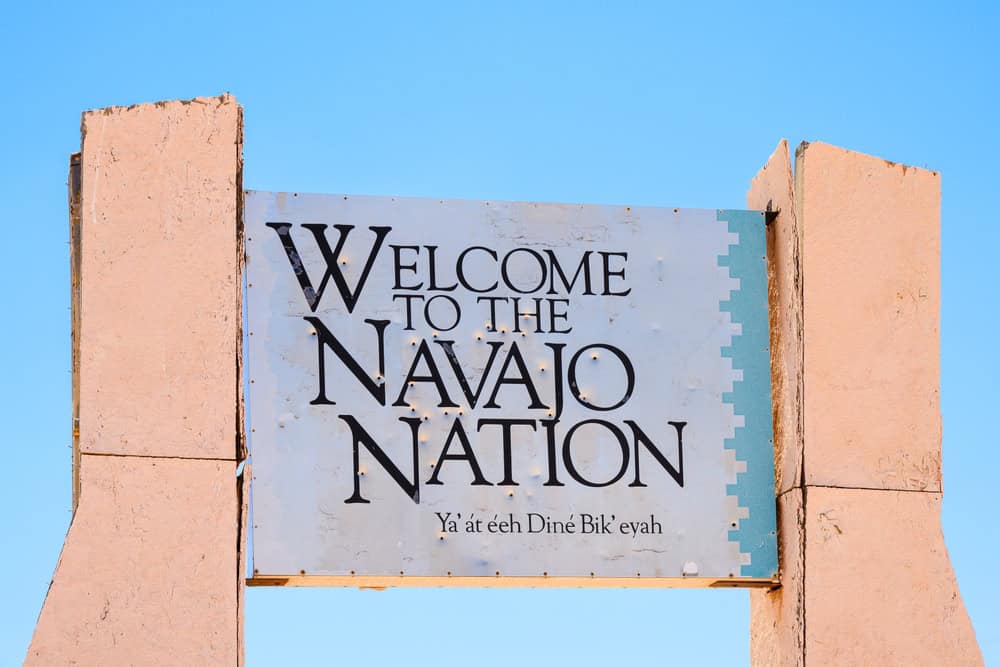
Multiple Navajo Nation members sued the LDS Church, alleging abuse while enrolled in the Indian Student Placement Program (1954–2000), which placed about 50,000 Native children in LDS foster homes during school years. Survivors reported abuse the church failed to prevent or address. By 2018, several cases were settled confidentially, with no admission of wrongdoing by the church.
These cases show that legal claims against the LDS Church and affiliated entities have resulted in settlements and other forms of accountability in some cases. Outcomes vary widely based on the facts, the defendants involved and the law in the state where the claim is filed.
If you experienced sexual abuse connected to the LDS Church, an attorney who handles these cases can review your circumstances and explain what legal options may be available.
The deadline for filing an LDS Church sexual abuse lawsuit depends on the law of the state connected to the claim. Important factors can include where the abuse occurred, your age at the time, when you understood the connection between the abuse and its effects, and who may be legally responsible.
Childhood and adult sexual abuse claims can follow different filing rules. Some states have extended or eliminated civil statutes of limitations for certain childhood sexual abuse claims. Others have opened temporary revival windows that allow some older claims to be filed even after the original deadline passed.
A closed revival window does not always mean every possible legal option has expired. Discovery rules and other exceptions may still affect the deadline in some cases.
The important thing is not to assume you waited too long simply because the abuse happened years or even decades ago. An attorney who handles clergy or institutional sexual abuse cases can review the timeline and explain what filing rules may apply.
SurvivorsRights.com may be able to connect you with an attorney who handles LDS Church sexual abuse claims. Requesting a case review does not obligate you to file a lawsuit.
Survivors and plaintiffs in LDS Church sexual abuse cases have raised questions about how Church leaders respond when abuse is disclosed, including whether reports are passed to law enforcement, handled internally or referred to Church attorneys.
One of the most scrutinized parts of that system is the Church’s abuse help line.
The LDS Church established a help line for bishops and other local leaders who receive reports of child sexual abuse. An Associated Press investigation found that calls involving abuse allegations can be routed to attorneys who advise Church leaders about reporting requirements and potential legal liability. AP News
Critics, survivors and plaintiffs have argued that this system can discourage or delay reports to law enforcement. The Church has defended the help line, saying its purpose is to protect children and help leaders comply with applicable laws. AP News
The issue became especially prominent in an Arizona case involving Paul Adams, who admitted sexually abusing his daughters to LDS bishops. The bishops did not report the abuse to authorities, relying on Arizona’s clergy-penitent privilege. Litigation over the case later focused in part on whether Church leaders had a legal duty to report what they had learned.
More broadly, AP reporting has documented cases in which Church representatives invoked clergy-penitent privilege, confidentiality agreements and internal risk-management practices after allegations of sexual abuse surfaced. AP News
For survivors, these cases raise an important legal question: when Church leaders learn about abuse, what duties do they have under the law of the state where the disclosure occurred?
Some survivors have described religious teachings and Church culture as factors that made it harder to recognize abuse, disclose what happened or challenge someone in a position of authority.
In accounts shared through lawsuits and news reporting, survivors have said they were encouraged to forgive the person who harmed them, focus on repentance or avoid actions that could bring embarrassment to a family or congregation. For some, teachings about sexual purity and obedience may also have contributed to feelings of shame or self-blame after abuse.
Survivors have also alleged that Church leaders sometimes discouraged public disclosure or handled complaints internally rather than involving outside authorities. In some cases, confidentiality agreements or other forms of pressure have also become part of disputes over how abuse allegations were handled.
These experiences do not necessarily reflect what happens in every LDS congregation. But they help explain why some survivors may wait years before speaking about abuse or considering legal action.
If you or someone you love experienced sexual abuse involving the LDS Church, you may have legal options. SurvivorsRights.com may be able to connect you with an attorney who handles clergy and institutional sexual abuse cases and can explain what options may be available.
A distinctive feature of the LDS Church is its reliance on lay clergy. Bishops and other local leaders are typically volunteers rather than professionally trained clergy, and they may not have backgrounds in mental health, social work, child protection or law enforcement.
That can be important when a survivor discloses abuse. A bishop may be the first person a survivor or family member tells, but the bishop may have little professional training in trauma response or abuse investigations.
In lawsuits and news reports, survivors have alleged that some disclosures were handled internally, minimized or not reported to authorities. Whether a Church leader had a legal duty to report can depend on the state, the circumstances of the disclosure and whether a clergy-confidentiality exception applies.
Some lawsuits against the LDS Church allege that Church leaders or attorneys placed institutional concerns ahead of survivor safety. Plaintiffs have claimed that abuse reports were handled internally, that leaders failed to warn others about known risks, or that accused individuals remained in positions of trust.
Other cases have focused on the Church’s legal response after abuse allegations surfaced, including the use of attorneys, confidentiality agreements and clergy-privilege arguments.
These allegations do not establish that every LDS congregation or leader responded the same way. But they are central to many lawsuits because they raise questions about what Church entities knew, how they responded and whether their actions contributed to further harm.
If you or someone you love experienced sexual abuse involving the LDS Church, you may have legal options. SurvivorsRights.com may be able to connect you with an attorney who handles clergy and institutional sexual abuse cases and can explain what options may be available.
Sexual abuse allegations involving the LDS Church have arisen in a variety of settings, including youth programs, missionary activities, Church-sponsored events and other affiliated programs.
These environments can place children, teenagers and young adults in close contact with leaders, volunteers or other members who hold positions of trust or authority. In lawsuits and survivor accounts, some plaintiffs have alleged that inadequate supervision, failures to act on warning signs or internal handling of complaints allowed abuse to continue.
Some of the LDS-affiliated programs and settings that have appeared in sexual abuse claims include:
As noted above, the now-defunct Indian Student Placement Program, also known as the “Lamanite Placement Program,” placed tens of thousands of Native American children with LDS families during the school year over several decades.
Former participants, including members of the Navajo Nation, later filed lawsuits alleging that they were sexually abused while living in LDS foster homes and that Church leaders failed to adequately respond to reports of abuse.
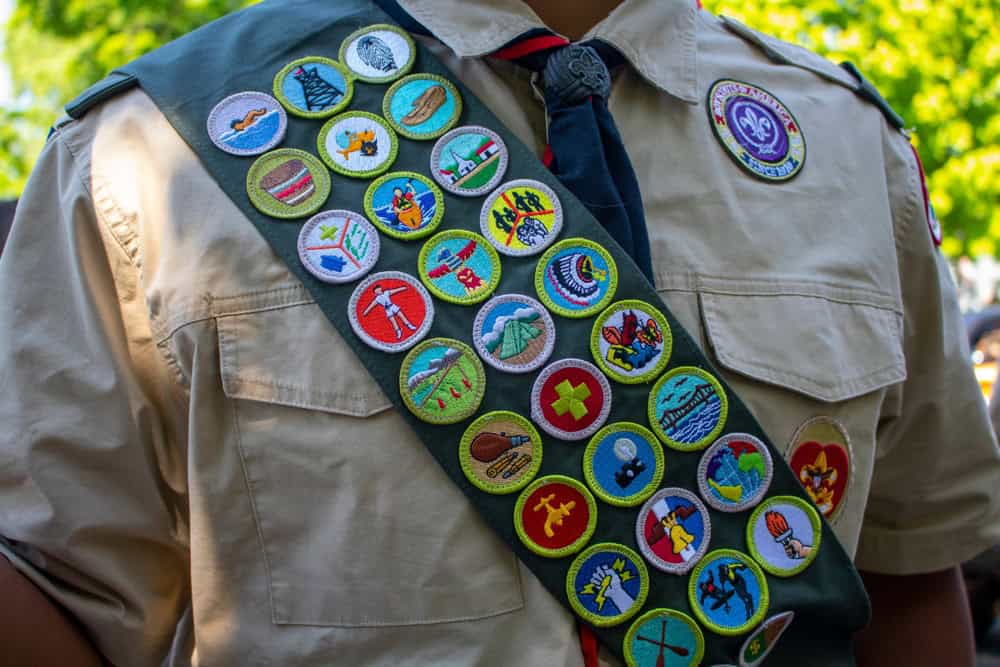
The LDS Church was one of the Boy Scouts of America’s largest chartering organizations before ending its formal relationship with the BSA in 2019.
Sexual abuse claims connected to LDS-sponsored scouting programs were later included in the Boy Scouts bankruptcy proceedings. In 2021, the LDS Church agreed to contribute $250 million toward the BSA’s abuse settlement fund in exchange for certain liability protections, but a bankruptcy judge later rejected that agreement because the proposed release was too broad.
LDS Young Men’s and Young Women’s programs place teenagers in regular contact with adult leaders, teachers and youth advisors who may hold significant positions of trust within the congregation.
Survivors have alleged abuse by individuals connected to these programs, including claims involving grooming, boundary violations and failures by Church leaders to respond appropriately after concerns were raised.
LDS youth camps, conferences and Church-sponsored retreats can involve overnight stays and extended time away from parents or guardians under the supervision of adult leaders and volunteers.
Sexual abuse allegations have arisen in some of these settings, with survivors claiming that inadequate supervision or failures to respond to warning signs contributed to the harm.
LDS missionaries are often teenagers or young adults who live and work within a highly structured Church environment, frequently far from home.
Sexual abuse allegations involving missionary settings have included claims of:
One widely reported case involved former Missionary Training Center president Joseph Bishop, who was accused by a former missionary of sexually assaulting her while he led the MTC in the 1980s.
Sexual abuse allegations involving The Church of Jesus Christ of Latter-day Saints have led to lawsuits, settlements, investigative reporting and disputes over how Church leaders respond when abuse is disclosed.
The timeline below highlights some of the major developments that have shaped litigation and public scrutiny of the Church’s handling of sexual abuse allegations.
Sexual abuse lawsuits against the LDS Church have been filed in multiple states, with plaintiffs alleging abuse by Church leaders, volunteers and other affiliated individuals as well as institutional failures to prevent or properly respond to abuse.
In 2025, plaintiffs asked the U.S. Judicial Panel on Multidistrict Litigation to consolidate dozens of federal LDS Church sexual abuse lawsuits into a single MDL for coordinated pretrial proceedings.
The panel denied the request on April 3, 2025. At the time, the proposed MDL involved 41 lawsuits pending in nine federal districts, along with 10 additional related actions. The panel concluded that centralization was not necessary and that the cases could be handled effectively through other forms of coordination. [GovInfo PDF]
That means there is currently no nationwide LDS Church sexual abuse MDL. Survivors instead pursue their claims individually in the appropriate state or federal courts.
California has been an important center of LDS Church sexual abuse litigation because of the state’s previous revival window for older childhood sexual abuse claims.
By March 2025, nearly 100 allegations had been brought against the Church in California. Those lawsuits included allegations involving bishops and other Church-affiliated individuals, as well as claims that Church leaders failed to respond appropriately after abuse was reported. [The Guardian]
Legal claims involving the LDS Church are also proceeding elsewhere in the country, but because the cases have not been consolidated into an MDL, there is no single federal docket that provides a definitive nationwide case count.
Independent researchers have estimated the LDS Church’s total wealth at approximately $265 billion as of the end of 2023, including investments, real estate and operating assets. The Church does not publicly disclose comprehensive U.S. financial statements, so that figure is an outside estimate rather than an official valuation. [The Salt Lake Tribune]
Whether you can file an LDS Church sexual abuse lawsuit depends on the facts of what happened, your relationship to the Church or the person who harmed you, and the law in the state connected to the claim.
Possible claims may involve abuse connected to bishops, missionaries, youth leaders, volunteers, Church-sponsored programs or other people acting in positions of trust or authority.
A lawsuit may focus not only on the person accused of abuse, but also on whether a Church entity or leader contributed to the harm.
Claims may involve allegations that:
Whether the Church can actually be held liable depends heavily on state law and the facts of the case.
Do not automatically assume that too much time has passed. Some states have extended filing deadlines, eliminated certain statutes of limitations for childhood sexual abuse claims or created temporary revival windows for older claims.
The applicable deadline depends on where and when the abuse occurred and other details of the case.
An attorney who handles clergy or institutional sexual abuse cases can review factors such as:
If you’re unsure where to start, SurvivorsRights.com may be able to connect you with an attorney who handles LDS Church sexual abuse claims. Requesting a case review does not obligate you to file a lawsuit.
The deadline for filing an LDS Church sexual abuse lawsuit depends largely on the state connected to the claim and the circumstances of the abuse.
Some states have extended or eliminated filing deadlines for certain childhood sexual abuse claims. Others have created temporary revival or “lookback” windows that allowed previously expired claims to be filed for a limited period.
These laws can differ depending on factors such as your age when the abuse occurred, when you recognized the connection between the abuse and its effects, and whether the claim is against the person accused of abuse, the LDS Church or another entity.
That’s why an older claim is not necessarily a closed claim. Even if a revival window has ended, another statute of limitations or exception may still apply.
If you experienced sexual abuse involving the LDS Church years or decades ago, an attorney who handles clergy or institutional abuse cases can review the timeline and explain which filing rules apply in your state.
There is no standard settlement amount for an LDS Church sexual abuse claim.
Some lawsuits involving the Church have ended in confidential settlements, which means the amounts paid to individual survivors are often not publicly available. Other outcomes have become public through court filings or news reports, but those figures should not be treated as predictions of what another case may be worth.
Factors that may affect compensation include:
There is no formula that determines the value of a claim, and no particular settlement amount is guaranteed.
Depending on the case and applicable state law, compensation may address:
Punitive damages may also be available in some cases if permitted by state law and supported by the evidence, although punitive damages are generally awarded by a court or jury rather than treated as a guaranteed component of a settlement.
The facts of sexual abuse cases can differ dramatically. A claim involving prolonged childhood abuse, significant long-term harm and evidence that an institution ignored earlier warnings may be valued very differently from another claim.
Confidential settlements also make it difficult to calculate a meaningful “average” LDS Church sexual abuse settlement. Publicly reported recoveries can provide context, but they do not establish a typical outcome.
Not necessarily. Many sexual abuse lawsuits are resolved before trial through negotiated settlements.
Other cases proceed further through litigation and, in some instances, to trial. Whether a case settles depends on the evidence, the legal issues, the parties involved and the survivor’s own decisions about how to proceed.
An attorney who handles clergy or institutional sexual abuse cases can explain the potential value of a claim, the risks and benefits of settlement, and what the process may involve.

The LDS Church has publicly stated that it has zero tolerance for abuse and that its policies are intended to protect children and comply with applicable reporting laws.
Survivors and plaintiffs in sexual abuse lawsuits have sometimes described a different experience, alleging that Church leaders handled disclosures internally, referred disclosures to legal counsel or disputed claims that the Church itself should be held responsible.
How the Church responds to a particular lawsuit can vary depending on the allegations, applicable state law and the evidence involved.
LDS Church defendants have raised a variety of legal arguments in sexual abuse litigation. Depending on the case, disputes may involve:
The Arizona litigation involving Paul Adams illustrates how important these questions can become. In 2026, the Arizona Supreme Court ruled that LDS bishops were protected by the state’s clergy-confidentiality exception under the circumstances of that case.
Some sexual abuse lawsuits involving the LDS Church have ended through confidential settlements. Confidentiality provisions can restrict disclosure of the settlement amount or other information about how a case was resolved.
Not every LDS Church settlement includes an NDA, and a confidentiality provision does not necessarily prevent a survivor from discussing the underlying abuse. The enforceability and scope of confidentiality provisions depend on the agreement and applicable state law.
Several states have also restricted the use of confidentiality agreements in cases involving sexual assault, harassment or other misconduct.
A lawsuit against a religious institution can involve issues that go beyond proving that abuse occurred. Questions about reporting requirements, clergy privilege, institutional responsibility, filing deadlines and access to internal records can all affect how a case proceeds.
An attorney who handles clergy or institutional sexual abuse cases can explain how those issues may apply to a particular claim.
A sexual abuse lawsuit may involve more than the person accused of committing the abuse. Depending on what happened and the law in the state where the claim is brought, a survivor may also have claims against a Church entity or another organization that allegedly contributed to the harm.
A survivor may be able to bring a civil claim directly against the person accused of abuse. That could include a bishop, youth leader, missionary, volunteer, family member or another individual connected to the Church.
Whether a claim can still be filed depends in part on the applicable statute of limitations and other state-law rules.
Some lawsuits name The Church of Jesus Christ of Latter-day Saints or affiliated legal entities as defendants. Claims may allege that Church leaders knew or should have known about a risk, failed to provide adequate supervision, failed to respond appropriately to a disclosure or otherwise contributed to the harm.
Which Church entity can properly be sued is not always straightforward. LDS Church lawsuits have involved the Church itself as well as corporations associated with particular stakes, temples or earlier Church organizational structures.
In some cases, plaintiffs have also named corporations associated with local stakes or other Church-affiliated organizations.
Whether one of those entities can actually be held responsible depends on its legal relationship to the people and property involved in the case. For example, federal litigation in California has examined whether a stake corporation had a sufficient connection to an LDS youth camp where abuse was alleged to have occurred.
The fact that someone affiliated with the LDS Church committed abuse does not automatically make the Church legally responsible.
Depending on state law, claims against an institution may involve allegations that Church leaders or entities:
What a survivor must prove depends on the legal claims being brought and the law of the state involved.
Evidence varies from case to case, but potentially relevant information may include:
A survivor does not need to gather every possible document before asking whether a claim exists. An attorney can help determine what evidence may be relevant and what additional records could potentially be obtained through the legal process.
SurvivorsRights.com may be able to connect you with an attorney who handles clergy and institutional sexual abuse cases. An attorney can review what happened, identify the parties who may be legally responsible and explain what options may be available.
If you file a lawsuit against the LDS Church, you may be entitled to a wide range of damages.
A survivor who brings a successful sexual abuse claim may be able to recover compensation for the harm caused by the abuse. The types of damages available depend on the facts of the case and the law in the state where the lawsuit is filed.
Compensation may include damages for:
A claim may also seek compensation for:
Depending on the circumstances, economic damages may include:
Punitive damages may be available in some states and under certain circumstances. Unlike compensation for a survivor’s losses, punitive damages are intended to punish especially wrongful conduct and deter similar behavior.
Whether they can be sought against an individual or Church entity depends on state law and the evidence in the case.
Many attorneys who handle sexual abuse lawsuits work on a contingency-fee basis, meaning the survivor generally does not pay attorney fees upfront. Instead, the lawyer receives an agreed percentage of a recovery if the case succeeds.
Court costs, expert fees and other litigation expenses can be handled differently depending on the attorney agreement and applicable law. Those details should be explained before a survivor agrees to representation.
A survivor does.
An attorney can negotiate, explain the strengths and risks of an offer and recommend a course of action, but the decision whether to accept or reject a settlement belongs to the client.
You do not have to accept a settlement offer just because one is made. Your attorney can explain the pros and cons, but the final decision is yours.
Not sure whether you may have an LDS Church sexual abuse claim?
SurvivorsRights.com may be able to connect you with an attorney who handles clergy and institutional sexual abuse cases. They can review what happened, explain what filing deadlines may apply and help you understand your legal options. There’s no obligation to file a lawsuit or move forward.
Request A Free Case ReviewPossibly. Courts sometimes allow sexual abuse survivors to use a pseudonym such as Jane Doe or John Doe, but anonymity is not automatic. An attorney can explain the rules in the court where your case would be filed and, when appropriate, request permission to proceed under a pseudonym.
No. Church membership is not necessarily required. A potential claim may involve abuse connected to an LDS-sponsored program, event, congregation, missionary setting or another Church-affiliated activity.
Whether a claim exists depends on what happened, who was involved and the applicable state law.
You can request a case review through the form on this page. SurvivorsRights.com may be able to connect you with an attorney who handles LDS Church sexual abuse claims and can explain what legal options may be available.
There’s no obligation to file a lawsuit.
There is no standard or average settlement amount. The potential value of a claim can depend on the severity and duration of the abuse, the harm suffered, available evidence, who may be legally responsible and the law in the state where the claim is filed.
Some settlements are confidential, which also makes it difficult to calculate a meaningful average.
Many attorneys who handle sexual abuse lawsuits work on a contingency-fee basis. That generally means there is no upfront attorney fee, and the lawyer receives an agreed percentage of any recovery if the case is successful.
The exact fee arrangement and responsibility for litigation expenses should be explained before you agree to representation.
Not necessarily. Some states have extended or eliminated filing deadlines for certain childhood sexual abuse claims, while others have created temporary revival windows for older claims.
The deadline can depend on where and when the abuse occurred, your age at the time and other circumstances. Do not assume an older claim is automatically barred.
An NDA or confidentiality agreement does not necessarily prevent you from discussing the underlying abuse or exploring your legal options. Its enforceability can depend on the wording of the agreement, when it was signed and the law in the state involved.
An attorney can review the actual agreement and explain what restrictions, if any, apply.
You do not need to have every piece of evidence before asking whether you may have a claim.
Potentially relevant evidence can include:
An attorney can help determine what evidence may matter and what additional records might be obtainable.
Depending on the circumstances, potential defendants may include the person accused of abuse, the LDS Church or another Church-affiliated legal entity.
Claims against an institution may depend on whether Church leaders knew or should have known about a risk, failed to provide adequate supervision, failed to act after receiving a warning or otherwise contributed to the harm.
Not necessarily. Some sexual abuse lawsuits resolve through negotiated settlements before trial, while others proceed further through litigation or go to trial.
If a settlement is offered, your attorney can explain the advantages and risks, but the decision whether to accept it belongs to you.