Skip to content

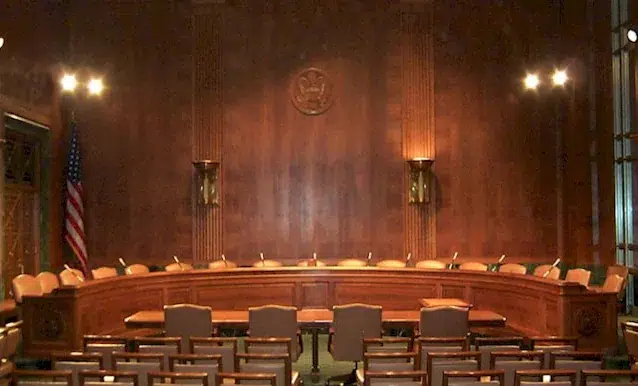
Photo: U.S. Senate hearing room in the Dirksen Senate Office Building. Public domain. Source: Wikimedia Commons (opens in a new tab).
Two survivors who say they were sexually exploited after meeting predators on Roblox testified before Congress on November 17, describing how the popular gaming platform exposed them to abuse and failed to protect children from dangerous interactions, WIRED.com reported (opens in a new tab).
The testimony came during the Senate Judiciary Subcommittee on Crime and Counterterrorism’s first hearing dedicated to Roblox, where lawmakers from both parties questioned the company’s child-safety practices and its attempts to move lawsuits into private arbitration.
Roblox CEO David Baszucki was invited to testify but declined to appear, according to Senator Josh Hawley, who chaired the hearing.
The hearing coincided with new bipartisan legislation that could make it easier for families to sue Roblox and other technology companies over child sexual exploitation.
Survivors Describe How Predators Used Roblox to Target Children
One witness, Marine Corps veteran Woody Doe, testified that he was 11 years old when he met an adult predator through Roblox.
Doe described how the individual gained his trust through the gaming platform before the abuse escalated beyond the virtual world.
He told lawmakers that the experience affected him for years, including during his military service.
Now a husband and father, Doe has filed a lawsuit against Roblox alleging that the company failed to adequately protect children or warn families about the risks of exploitation.
Another witness, online safety advocate Michael Schlep, described being groomed through Roblox at age 12 after meeting an adult game developer.
Schlep later began investigating suspected predators on the platform, using decoy accounts to identify adults attempting to contact children.
He testified that predators could reach those accounts within seconds in certain Roblox experiences.
Schlep also criticized the company’s response to his investigations, saying Roblox sent him a legal warning rather than welcoming his efforts to expose dangerous activity.
Their testimony brought a personal dimension to allegations that have already generated numerous lawsuits involving Roblox.
Lawmakers also criticized the absence of Roblox CEO David Baszucki.
Hawley said Baszucki declined an invitation to testify, leaving company representatives absent from a hearing focused on allegations of serious harm to children.
Senators questioned whether Roblox’s safeguards adequately prevent adults from contacting minors or exposing them to inappropriate material.
Roblox has introduced additional safety measures, including age checks for chat, age-based accounts and restrictions on certain communications.
However, witnesses challenged the effectiveness of those protections.
Khari James, senior legal counsel at the National Center on Sexual Exploitation, warned that age-verification technology can be circumvented and that predators may obtain accounts that appear to have been verified.
Roblox defended its safety efforts in a statement to WIRED, saying child safety has been central to the platform since its launch.
The company pointed to its newer protections and argued that disagreements over arbitration should not be treated as evidence of inadequate safety.
Roblox Sexual Exploitation Lawsuits
Families across the country have filed lawsuits alleging that Roblox failed to protect children from online grooming and sexual exploitation.
Our comprehensive guide explains the allegations against Roblox, the status of the litigation, and what families should know about pursuing legal claims.
Senators Target Forced Arbitration in Roblox Lawsuits
One of the hearing’s most significant developments involved the legal obstacles families may encounter when pursuing claims against Roblox.
Senators Josh Hawley, a Missouri Republican, and Dick Durbin, an Illinois Democrat, introduced the No Forced Arbitration for Child Sexual Exploitation and Cyber Injuries Act.
The proposed legislation would prevent mandatory arbitration provisions in technology companies’ terms of service from blocking qualifying claims involving child sexual exploitation and injuries caused by technology products.
Arbitration is a private process for resolving legal disputes outside the traditional court system.
Many online platforms include arbitration clauses in the user agreements that people accept when creating accounts.
Those provisions can make it difficult for families to bring lawsuits before judges and juries.
During the hearing, Northwestern University law professor Myriam Gilles questioned whether young children could meaningfully consent to agreements that potentially limit their legal rights.
The proposed legislation would allow families pursuing covered claims to choose between public court proceedings and private arbitration.
It would also permit qualifying claims to proceed through class actions and require judges, rather than arbitrators, to determine whether the law applies.
The bill has not become law, and existing arbitration disputes remain subject to current law.
Nearly 200 Roblox Lawsuits Highlight Growing Legal Pressure
Roblox faces mounting litigation from families alleging that predators used the platform to groom, manipulate and sexually exploit children.
According to WIRED, nearly 200 lawsuits had been filed against Roblox involving allegations of child grooming and exploitation as of the November 17 hearing.
The lawsuits generally allege that Roblox failed to implement adequate safety protections, allowed dangerous interactions between adults and minors, or misrepresented the safety of its platform.
Some cases also challenge the company’s use of arbitration clauses.
These lawsuits are civil proceedings, and allegations against Roblox must be evaluated under the facts and applicable laws of each case.
The new congressional legislation could eventually change how certain claims are handled, but it would not automatically establish liability or guarantee compensation.
What Happens Next for Roblox Abuse Survivors?
The November 17 hearing represents another escalation in federal scrutiny of Roblox’s child-safety practices.
Lawmakers have now heard directly from survivors, questioned the effectiveness of the platform’s protections and introduced legislation addressing families’ access to the courts.
However, the hearing itself does not change Roblox’s legal obligations or resolve pending lawsuits.
Congress must still consider the proposed arbitration legislation, and courts will continue evaluating claims brought by families who allege their children were harmed.
For survivors and parents, the hearing brought national attention to a central issue: whether a gaming platform used by millions of children has done enough to prevent exploitation—and whether families can hold the company accountable through the courts.