 Skip to content

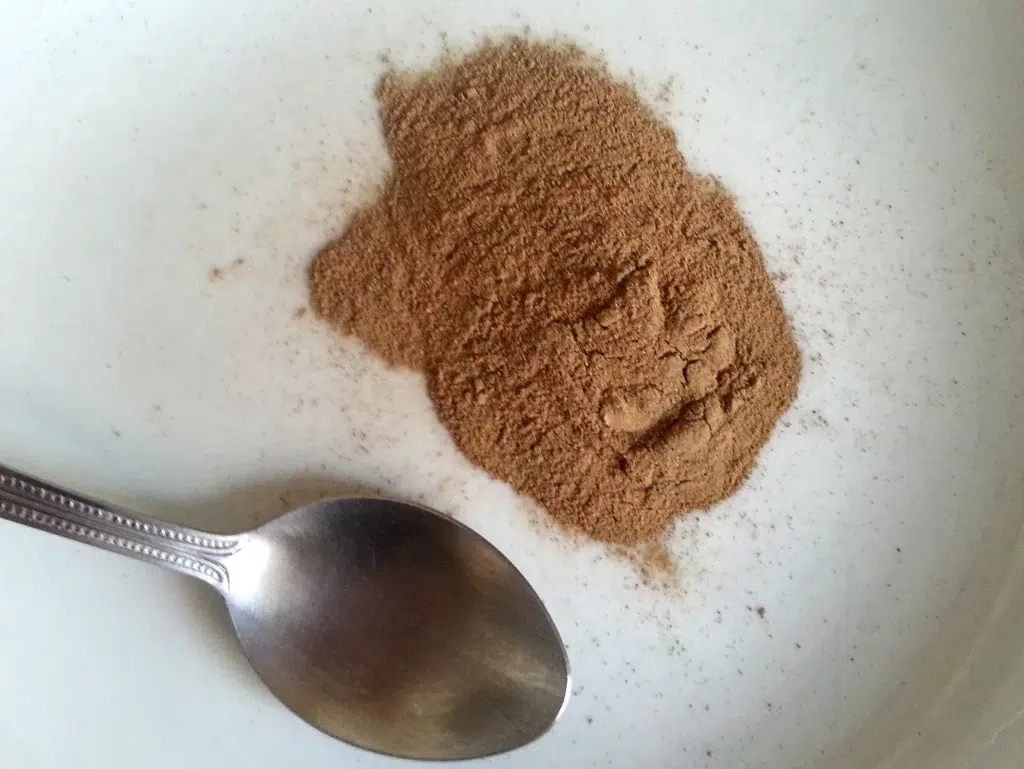
Image: Tabernanthe iboga bark powder by Kgjerstad – Own work, CC BY-SA 3.0 (opens in a new tab), via Wikimedia Commons (opens in a new tab).
When influential podcaster Joe Rogan began discussing ibogaine as a possible breakthrough treatment for addiction and post-traumatic stress disorder (PTSD), his interest eventually reached the White House.
Rogan personally urged President Donald Trump to support research into the psychoactive substance, which has attracted attention for its potential to help military veterans struggling with trauma, depression and addiction.
On April 18, 2026, Trump signed an executive order (opens in a new tab) intended to accelerate research into psychedelic treatments, with Rogan among those attending the White House announcement.
The development brought renewed attention to a drug that remains largely experimental in the United States.
For survivors of childhood sexual abuse, sexual assault and other traumatic experiences, the research represents an intriguing treatment for relief from PTSD, when conventional treatments haven’t worked.
Early studies offer reasons for cautious optimism. But ibogaine also carries serious medical risks, and researchers have yet to establish that it is safe and effective for treating PTSD in the broader survivor population.
What Is Ibogaine, and How Might It Help PTSD?
Ibogaine is a naturally occurring psychoactive compound derived from the African shrub Tabernanthe iboga. It has a history of ceremonial use in parts of Central Africa and has more recently attracted scientific interest as a potential treatment for substance use disorders.
Unlike conventional antidepressants, ibogaine affects several neurotransmitter systems involved in mood, reward, memory and emotional processing.
It can also produce intense, dreamlike experiences, sometimes accompanied by vivid autobiographical memories or changes in how a person interprets past events.
Researchers are investigating whether these effects, along with possible changes in brain signaling, might help reduce symptoms associated with PTSD.
For survivors, those symptoms can include intrusive memories, nightmares, persistent anxiety, emotional numbness, difficulty trusting others and a heightened sense of danger long after the abuse has ended.
The potential appeal of ibogaine isn’t simply that it alters consciousness. Researchers want to know whether it can produce lasting improvements in psychological functioning.
What Does the Research On Ibogaine Show?
Some of the most encouraging findings come from Stanford Medicine.
In a 2024 study published in (opens in a new tab) Nature Medicine (opens in a new tab), researchers followed 30 male U.S. Special Operations veterans who had experienced traumatic brain injuries, many of whom also had PTSD, depression or anxiety.
The participants received ibogaine at a medical facility in Mexico, together with magnesium administered under a specialized protocol intended to reduce cardiac risks. They also received complementary therapeutic support.
One month after treatment, researchers reported average reductions of 88% in PTSD symptom scores, 87% in depression symptoms and 81% in anxiety symptoms compared with baseline.
Participants also showed substantial improvements in disability and cognitive functioning.
The study wasn’t randomized and didn’t include a placebo or untreated comparison group; researchers couldn’t determine how much improvement resulted specifically from ibogaine rather than the accompanying interventions, participants’ expectations or other factors.
A 2026 follow-up study in (opens in a new tab) Translational Psychiatry (opens in a new tab) found that substantial improvements in PTSD, depression and anxiety persisted for many participants for up to 12 months.
However, most participants also reported pursuing other interventions or using additional psychedelic substances during the follow-up period, thus making it difficult to isolate ibogaine’s long-term effects.
Another study published in the (opens in a new tab) Journal of Affective Disorders (opens in a new tab) examined whether the intensity of participants’ mystical or deeply meaningful experiences was associated with PTSD improvement.
Researchers found that participants reporting more intense experiences generally had greater reductions in PTSD symptoms.
The findings suggest that the psychological experience itself might play a role in treatment outcomes, although they don’t establish how or why ibogaine works.
Importantly, these studies involved military veterans with traumatic brain injuries. We don’t yet know whether the results would translate to survivors of childhood sexual abuse, domestic violence or other forms of interpersonal trauma.
Why Psychological Support Is Essential
For a survivor considering psychedelic-assisted therapy, the experience shouldn’t be viewed as simply taking a substance and hoping traumatic memories disappear.
Powerful psychoactive experiences can bring up difficult emotions, memories and sensations. For some people, that may feel meaningful or revealing. For others, it may be confusing, frightening or emotionally overwhelming.
A trauma-informed psychotherapist or similarly qualified mental health professional can help assess whether an investigational approach is appropriate and provide psychological preparation and follow-up care.
This may involve discussing the survivor’s trauma history, identifying emotional vulnerabilities, establishing boundaries and developing a plan for processing difficult experiences afterward.
The period following a psychedelic experience is often called integration. During this phase, a therapist may help the individual reflect on what occurred and determine whether any insights can be incorporated into ordinary life.
Integration isn’t a proven method of making ibogaine effective, but psychological support is an important consideration when studying treatments capable of producing intense changes in consciousness.
For survivors of sexual abuse, the therapeutic environment also deserves particular attention. Clear consent procedures, privacy, appropriate boundaries and the ability to decline nonessential physical contact are especially important.
A treatment setting that disregards those protections could reproduce some of the power imbalances associated with earlier abuse.
Ibogaine’s Serious Medical Risks
Ibogaine is not an ordinary supplement or a low-risk alternative to antidepressant medication.
It can disrupt the heart’s electrical activity, prolonging the QT interval and potentially triggering life-threatening arrhythmias. Serious adverse reactions and deaths have been reported.
A 2021 systematic review of ibogaine adverse events (opens in a new tab) identified cardiac complications among the most important safety concerns, along with neurological, gastrointestinal and psychiatric reactions.
A 2026 cardiovascular review (opens in a new tab) reinforced those concerns, noting that dangerous arrhythmias have occurred even in people without previously recognized heart disease.
Consequently, ibogaine should never be self-administered or taken in an unsupervised retreat setting.
Any investigational administration should occur under a qualified medical team capable of screening for heart disease, reviewing medications and drug interactions, monitoring cardiac activity and responding immediately to emergencies.
That medical team should work alongside appropriately trained mental health professionals who understand PTSD and trauma-informed care.
Magnesium was part of the Stanford research protocol, but that doesn’t mean taking magnesium makes ibogaine safe. The safety of any particular protocol must be established through properly designed clinical trials.
Is Ibogaine Legal or FDA-Approved for PTSD?
As of November 2026, ibogaine remains a Schedule I controlled substance under U.S. federal law and has not been approved by the Food and Drug Administration to treat PTSD or any other condition.
Trump’s April executive order did not make ibogaine an approved prescription treatment.
Instead, it sought to accelerate research and regulatory review of psychedelic medicines.
On October 5, 2026, the FDA announced a request for public input (opens in a new tab) on how clinical trials involving ibogaine should be designed and monitored.
The agency identified adults with PTSD and opioid use disorder as initial priorities for federally supported research.
What Should Trauma Survivors Consider Today?
For someone living with PTSD after sexual abuse, the prospect of a treatment capable of producing lasting relief may be compelling.
But the current research doesn’t justify abandoning established therapies in favor of ibogaine.
Evidence-based treatments such as Cognitive Processing Therapy (CPT), Eye Movement Desensitization and Reprocessing (EMDR), and Prolonged Exposure therapy have substantially stronger scientific support.
These approaches help people address trauma-related beliefs, memories and reactions through structured therapeutic work, without the cardiac risks associated with ibogaine.
For survivors who haven’t benefited from previous treatment, a licensed mental health professional can help reassess the diagnosis, explore other evidence-based approaches and discuss whether participation in a legitimate clinical trial might eventually be appropriate.
It is also worth remembering that PTSD doesn’t affect every survivor in the same way. Some people struggle primarily with intrusive memories and anxiety. Others experience dissociation, depression, sleep difficulties or problems with relationships and trust.
Treatment decisions should reflect those individual experiences rather than the popularity of a particular therapy.
Ibogaine may eventually prove useful for some people with PTSD. The early research warrants further investigation, particularly as federal agencies begin supporting more rigorous trials.
For now, however, its promise remains unproven, and its risks are substantial.
Survivors deserve access to treatments that are not only innovative, but supported by credible evidence, informed consent and qualified medical and psychological care.
Medical disclaimer: This article is for educational purposes and is not medical advice. Ibogaine is an investigational substance that has been associated with serious cardiac complications and deaths. It should not be obtained or self-administered outside appropriately authorized, medically supervised research settings. Anyone experiencing PTSD symptoms should consult a licensed healthcare or mental health professional about established treatment options.
References:
Cherian KN, Keynan JN, Anker L, et al. Magnesium–ibogaine therapy in veterans with traumatic brain injuries. Nature Medicine. 2024;30(2):373–381. doi:10.1038/s41591-023-02705-w.
Faerman A, Lissemore JI, Geoly AD, et al. Is ibogaine treatment durable? 12-month follow-up of magnesium–ibogaine therapy (MISTIC) in special operations veterans with traumatic brain injuries. Translational Psychiatry. Published online August 12, 2026. doi:10.1038/s41398-026-04327-5.
Brown RE, Lissemore JI, Shinozuka KF, et al. Mystical experiences during magnesium-ibogaine are associated with improvements in PTSD symptoms in veterans. Journal of Affective Disorders. 2026;395(Pt B):120722. doi:10.1016/j.jad.2025.120722.
Brunt TM. Rare but relevant: Ibogaine and cardiovascular complications—prolonged QT interval and ventricular arrhythmias. Addiction. 2026;121(6):1616–1621. doi:10.1111/add.70319.
U.S. Food and Drug Administration. FDA seeks public input to support ibogaine research. FDA News Release. October 5, 2026.
Norman S, Hamblen J, Schnurr PP. Overview of psychotherapy for PTSD. U.S. Department of Veterans Affairs, National Center for PTSD. Updated November 17, 2025.