Skip to content

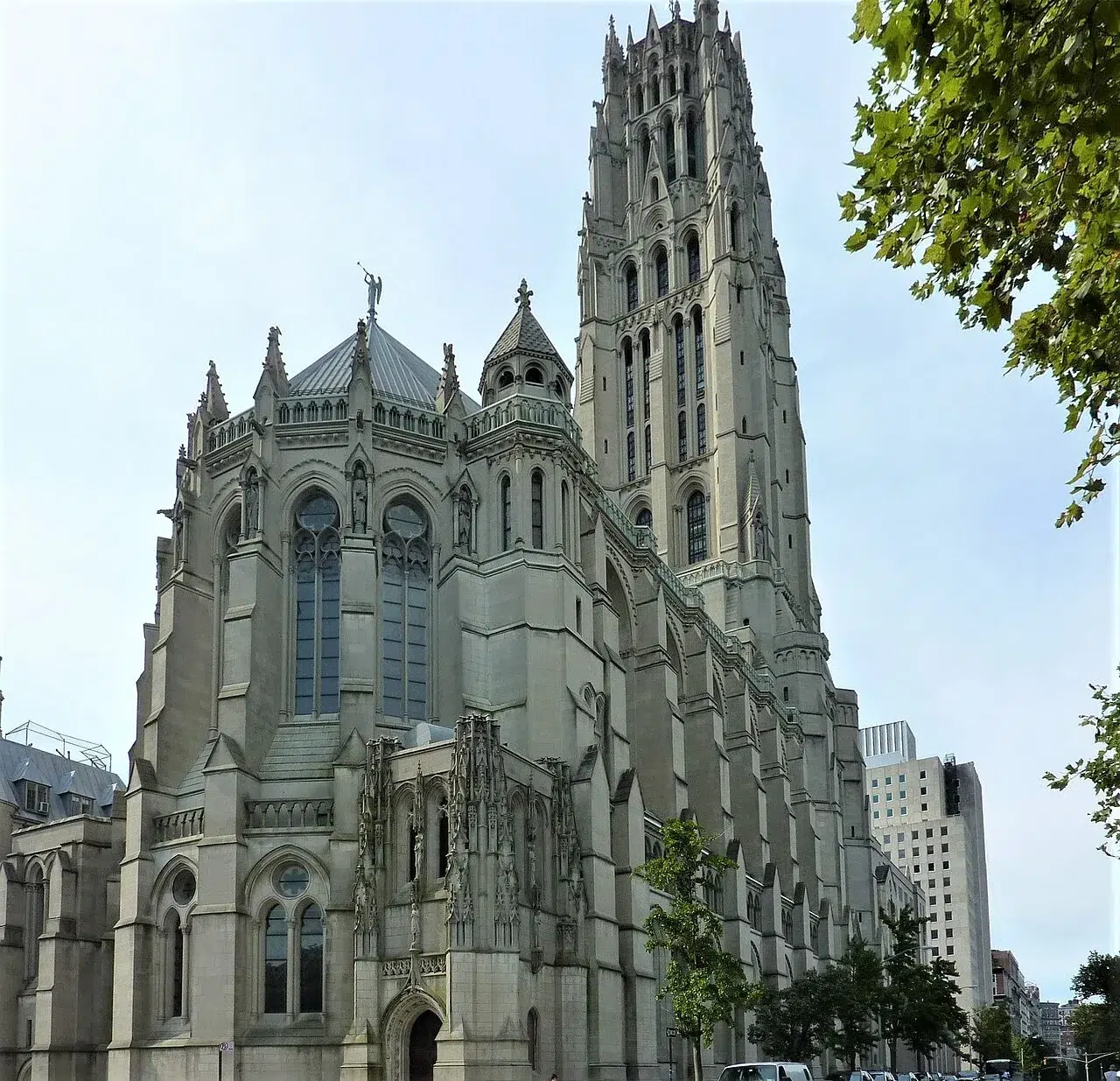
Image: Riverside Church in Manhattan, New York, by Chris06 – Own work, CC0 (Public Domain), Wikimedia Commons (opens in a new tab).
A New York jury ordered Riverside Church in Manhattan to pay $11.3 million to a former youth basketball player who was sexually abused by the church’s longtime sports program director nearly 50 years ago, Rolling Stone reported (opens in a new tab).
The October 7 verdict followed a trial in which the former player, identified in court records as J.M., testified that Ernest “Ernie” Lorch repeatedly abused him in 1978, when he was 14 years old.
After nearly five hours of deliberations, the six-member jury found Riverside Church acted recklessly in connection with the abuse. It awarded J.M., now 63, $7.5 million for past pain and suffering and another $3.8 million for future damages.
The verdict is the first jury award arising from a series of childhood sexual abuse lawsuits involving Riverside’s once-prominent youth basketball program.
How a Respected Basketball Program Became the Focus of Abuse Claims
For decades, the Riverside Hawks were among the country’s best-known youth basketball programs. The organization helped launch the careers of numerous college and professional players, including several future NBA stars.
Lorch, a wealthy corporate attorney, ran the program for more than 40 years. He also held influential positions at Riverside Church, serving as a deacon and board member.
But former players have described a very different experience behind the program’s successful public image.
J.M. testified that Lorch sexually abused him eight or nine times during the spring of 1978. His lawsuit was among 27 claims brought by former participants who alleged abuse involving Lorch during their childhood.
At trial, testimony from nine other alleged victims was presented to help establish a pattern of misconduct and demonstrate what church officials may have known.
The plaintiffs argued that Riverside failed to supervise Lorch adequately and overlooked warning signs because of his financial influence, institutional standing and the prestige he brought to the basketball program.
Lorch left the organization following allegations of abuse in the early 2000s. He died in 2012 without facing trial on criminal charges brought against him in Massachusetts.
Childhood Sexual Abuse Lawsuits in New York
New York law allows some survivors of childhood sexual abuse to pursue civil claims against individuals and institutions responsible for their abuse, even when the misconduct occurred years ago.
Learn about filing deadlines, institutional accountability and your legal options in our
New York Sexual Abuse Lawsuit Guide.
Church Denied Responsibility for the Coach’s Conduct
Riverside’s defense maintained that church officials had no knowledge of Lorch’s alleged abuse and should not be held legally responsible for his actions.
The church also argued that expectations concerning the reporting and prevention of child sexual abuse were different during the 1970s.
Another major dispute involved the lasting effects of the abuse.
The defense pointed to J.M.’s professional accomplishments and personal relationships, arguing that his successful adult life undermined claims of serious psychological harm.
But J.M. testified that the experiences affected his ability to trust others, his relationships and his decisions about starting a family.
His case raised a question that often appears in childhood sexual abuse litigation: Does a survivor’s ability to build a successful life mean the abuse caused little lasting harm?
The jury’s substantial damages award indicates that it did not accept that conclusion in this case.
Other Former Players Are Still Waiting for Their Cases to Be Resolved
The Riverside litigation has progressed slowly despite growing evidence and testimony from former players.
In January 2026, the church settled a lawsuit brought by Daryl Powell, a former Riverside player who later competed at Marist College. That agreement was reached shortly before the case was expected to go to the jury.
The settlement amount was not publicly disclosed.
An August investigation by Rolling Stone reported that only one additional case had formally settled in the following six months.
Three former Riverside players had also died while their lawsuits remained unresolved.
The latest verdict could affect how the church and other plaintiffs approach the remaining cases, although it doesn’t determine the outcome of separate lawsuits.
New York’s Child Victims Act Made the Litigation Possible
J.M. filed his lawsuit in 2019 after New York enacted the Child Victims Act.
The legislation temporarily reopened the courts to adults who had experienced sexual abuse as children but were previously prevented from filing civil claims because too much time had passed.
That two-year revival window closed in August 2021, but it allowed thousands of survivors to pursue lawsuits against individuals and institutions over abuse that occurred decades earlier.
New York also extended filing deadlines for certain childhood sexual abuse claims, although the applicable rules depend on the circumstances.
The Riverside verdict illustrates the significance of those changes.
Without the Child Victims Act, J.M. and many other former players might never have had an opportunity to have their allegations considered by a civil jury.
It also demonstrates that organizations responsible for youth programs can face substantial financial liability when juries find that they failed to protect children from sexual abuse.
The $11.3 million award remains subject to possible post-trial challenges or appeal.