Skip to content
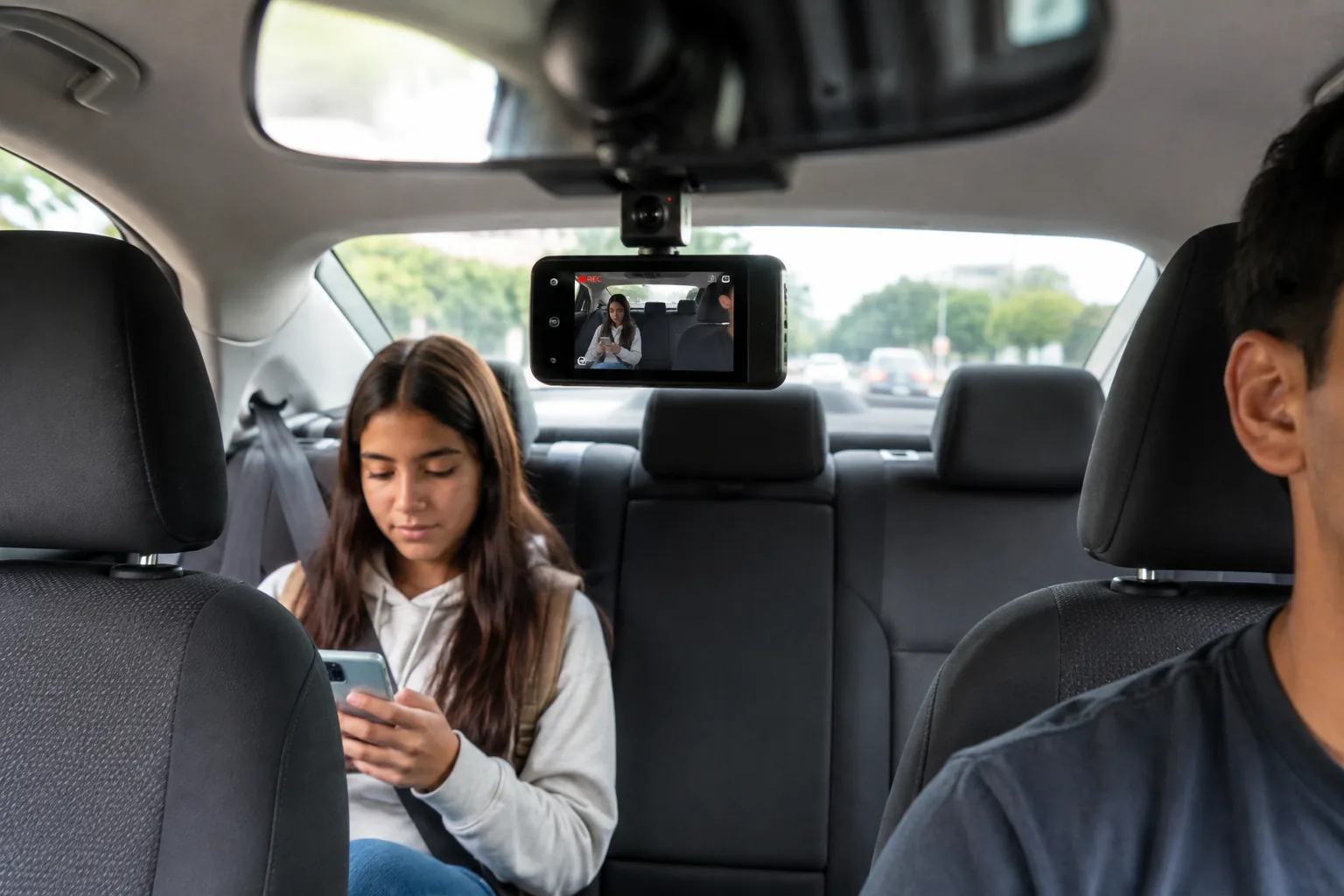
Uber is introducing a new safety feature that allows parents and guardians to watch their teenagers’ rides in real time through a driver’s front-facing camera.
For families, the additional oversight could provide some reassurance when a teenager is traveling alone. But the feature also arrives after years of sexual-assault allegations involving Uber drivers and while the rideshare company continues to defend thousands of lawsuits alleging sexual misconduct.
For survivors who say Uber failed to adequately protect passengers in the past, the announcement may raise an obvious question:
Why wasn’t this kind of protection available sooner?
How Uber’s New Teen Ride Video Feature Works
Uber began offering Teen Accounts in the United States in 2023, allowing riders ages 13 to 17 to request rides with a parent or legal guardian’s permission.
The company is now adding live video monitoring to those accounts, GadgetReview.com reports.
During eligible teen rides, video from the driver’s front-facing selfie camera can be streamed to a parent or guardian linked to the teenager’s account. The guardian receives a notification when a livestream is available and can choose whether to watch.
Both the teenager and driver are notified when the guardian begins viewing the feed.
Uber says the livestream is encrypted and automatically ends when the ride is over. According to TechCrunch, neither the driver, teenager nor guardian can retrieve the video afterward. The publication reported, however, that Uber did not clarify whether the stream is end-to-end encrypted in a way that also prevents the company itself from accessing it.
The feature initially launched in nine U.S. markets and is expected to expand nationwide within weeks.
Uber Already Had Safety Tools for Teen Riders
Live video joins several protections Uber already incorporates into Teen Accounts.
Parents can track a teenager’s trip in real time, while PIN verification is designed to make sure the teen enters the correct vehicle. Uber’s RideCheck system can also flag unexpected stops, route changes or early trip endings. Some users can enable audio recording as well.
Uber also restricts teen trips to a subset of eligible drivers. The company says teen riders are paired with highly rated drivers who have undergone safety screening.
Those protections are meaningful, however, they also exist against a much more troubling backdrop.
Thousands of Sexual Misconduct Claims Still Hang Over Uber
Uber has faced years of allegations that passengers were sexually assaulted or harassed by drivers using its platform.
Uber is facing over 3,600 lawsuits related to alleged driver sexual misconduct. A separate shareholder lawsuit filed this summer accuses Uber executives and directors of failing to respond adequately to repeated warnings about passenger safety. Uber disputes those allegations.
Thousands of similar passenger cases have also been coordinated in federal multidistrict litigation. Uber has argued in court that its drivers are independent contractors and that the company should not automatically be held responsible for criminal conduct committed by them. Plaintiffs, meanwhile, have accused Uber of failing to take sufficient precautions despite knowing about recurring sexual-assault reports.
Those cases are still moving through the courts.
Three Uber sexual-assault cases have now produced jury verdicts. In the first federal bellwether trial, a Phoenix jury in February 2026 awarded $8.5 million to the plaintiff. A second federal bellwether trial in North Carolina ended in April with another plaintiff victory, though for a much smaller $5,000 award; the jury again found Uber liable for a driver’s alleged sexual misconduct. By contrast, Uber prevailed in the first California state-court case to reach trial, in September 2025. That jury found Uber had been negligent in the safety measures it put in place, but concluded that the negligence was not a substantial factor in causing the plaintiff’s harm.
For survivors whose assaults occurred years before livestreaming, enhanced screening and other protections became available, a new safety feature cannot undo what happened.
Were you sexually assaulted or abused during an Uber or Lyft ride?
Survivors may have legal options depending on when and where the assault occurred. Learn more about rideshare sexual assault claims in our Uber and Lyft Sexual Assault Lawsuit Guide.
A Safety Improvement, Years Into a Safety Crisis
There is nothing inherently wrong with giving parents another way to monitor their children’s rides. If live video prevents even one dangerous situation, it could prove valuable.
But Uber’s announcement should not erase the history that preceded it.
Many of the lawsuits against the company contend that Uber knew sexual misconduct involving drivers was an ongoing problem yet failed to implement adequate protections soon enough.
That makes the livestream feature significant for another reason: it demonstrates that rideshare companies continue to develop additional safeguards that can change how vulnerable passengers are monitored and protected.
The question survivors may reasonably ask is whether similar safeguards could have been implemented years earlier.
The Livestream Also Raises Privacy Questions
The new system creates another unresolved issue.
Teen riders can bring other passengers with them. TechCrunch reported that people riding alongside the teenager do not have a way to opt out of appearing in the parent’s livestream.
That means a parent could potentially watch not only their child and the driver, but friends or other passengers inside the vehicle.
Uber says the livestream disappears when the trip ends, limiting the potential for recordings to circulate afterward. Even so, questions about consent and who can access live footage may become increasingly important if Uber expands camera monitoring or other rideshare companies adopt similar systems.
For now, Uber’s newest safety measure represents both progress and a reminder of how much pressure the rideshare industry has faced to protect passengers, particularly younger and more vulnerable riders.