Skip to content
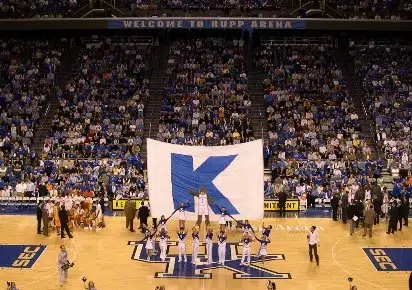
Photo via Wikipedia.
Two former University of Kentucky swimmers have reached a settlement with former head UK swimming and diving coach Lars Jorgensen over allegations of sexual assault and harassment, but their claims against the university and athletic director Mitch Barnhart are still moving forward, KSR + On3 reported.
The co-plaintiffs agreed to resolve their claims against Jorgensen on August 6 in federal court in Lexington. The settlement terms have not been publicly disclosed.
The broader lawsuit, however, is not over.
The swimmers continue to pursue claims against the University of Kentucky and Barnhart, alleging that school officials failed to act on warnings about Jorgensen and allowed a dangerous environment to continue within the swimming program. According to published reports, those remaining claims are scheduled for trial in 2027.
Settling a claim against the person accused of abuse does not necessarily eliminate separate claims against an institution that allegedly knew about misconduct, ignored warning signs or failed to protect athletes.
Lawsuit Alleges Abuse and a Sexually Hostile Team Environment
The plaintiffs competed for Kentucky and later worked as assistant coaches under Jorgensen, who led the university’s swimming and diving program from 2013 until 2023.
Their April 2024 federal lawsuit accused Jorgensen of sexual harassment and assault, including rape, and alleged that he used his position of authority to foster a sexually inappropriate environment involving members of the women’s program. The plaintiffs also alleged that University of Kentucky officials failed to respond adequately to warnings about his conduct.
Jorgensen has denied wrongdoing.
The litigation has already generated significant rulings. In one 2025 decision, a federal judge dismissed certain federal civil-rights claims against Jorgensen after determining that they had been filed outside Kentucky’s applicable one-year limitations period.
Other claims remained pending, including claims directed at the university and Barnhart.
Remaining Claims Against University of Kentucky
The unresolved portion of the lawsuit raises a different question from whether Jorgensen personally committed the alleged assaults, which is, did the institution have information that should have prompted it to act?
University abuse cases often turn on evidence involving earlier complaints, personnel files, internal emails, reports to supervisors, hiring decisions and the institution’s response when employees or students raise concerns.
A survivor may therefore potentially have legal claims against more than one defendant.
An individual accused of sexual assault can face direct liability for the alleged misconduct, while a university, athletic organization, school or other institution may face separate claims based on its own conduct. For example, allegations that it negligently hired or supervised an employee, failed to respond to reports or allowed a dangerous environment to persist.
The legal standards vary depending on the type of claim and the facts of the case, but the Kentucky litigation illustrates why resolving claims against an alleged perpetrator does not necessarily resolve institutional accountability.
Institutional Sexual Abuse Lawsuits: Learn About Your Legal Options
Sexual abuse lawsuits may involve not only the person accused of misconduct but also a university, school, athletic organization or other institution that allegedly failed to protect survivors. Learn more about institutional liability, evidence, filing deadlines and potential compensation in our Institutional Sexual Abuse Lawsuit Guide.
SafeSport Permanently Barred Jorgensen
The civil litigation is not the only proceeding involving Jorgensen.
In October 2025, the U.S. Center for SafeSport ruled him permanently ineligible to participate in covered Olympic and Paralympic sports organizations following findings involving sexual misconduct, sexual harassment, retaliation, physical misconduct and an inappropriate relationship involving a power imbalance.
USA Swimming’s current list of permanently suspended or ineligible individuals includes people who have received lifetime bans or been declared permanently ineligible through SafeSport-related processes.
The SafeSport proceeding is legally separate from the civil lawsuit and does not by itself determine whether UK is liable to the plaintiffs.
But from a survivor perspective, subsequent disciplinary findings can become part of the broader public record surrounding allegations against a coach and can reinforce scrutiny of how an institution handled earlier warning signs.
Jorgensen Left Kentucky After Separate Investigations
Kentucky initially suspended Jorgensen in 2023 amid concerns involving NCAA practice rules and allegations of excessively harsh training conditions.
A separate investigation into sexual misconduct allegations followed, and Jorgensen resigned as head coach in June 2023.
According to published reports, his departure included a university payment of $75,000.
That sequence could become important in the continuing institutional case because courts evaluating university conduct may examine not only the alleged assaults themselves, but also what happened before university officials took disciplinary or employment action.
A Settlement With One Defendant Does Not End the Entire Case
Survivors sometimes assume that accepting a settlement from one defendant means every related lawsuit necessarily ends.
That is not always the case.
When multiple defendants are involved, a settlement can resolve claims against one party while litigation continues against others. Exactly what claims remain depends on the settlement agreement, releases signed by the plaintiffs and the causes of action asserted against each defendant.
In the Kentucky swimmers’ case, the settlement removes Jorgensen from at least part of the ongoing dispute, while the allegations concerning UK’s institutional response remain unresolved.
That creates the possibility that a future jury could evaluate whether the university itself bears responsibility independent of any settlement reached with the former coach.
Major University Settlements
Claims against universities and athletic programs are not unusual in sexual abuse litigation.
Institutions have paid substantial settlements when survivors alleged that employees abused students or athletes and administrators failed to intervene.
Ohio State University, for example, has approved more than $161 million in settlements involving hundreds of survivors who alleged sexual abuse by former university physician Richard Strauss.
Michigan State University agreed to a $500 million settlement involving survivors of former sports physician Larry Nassar.
Those cases involved very different allegations and legal circumstances, and prior settlements do not predict the value of any claim against the University of Kentucky.
They do, however, illustrate why institutional liability can become financially and legally significant when survivors allege that abuse was enabled by failures extending beyond a single perpetrator.
Kentucky Filing Deadlines
The Jorgensen litigation also highlights how important filing deadlines can be in Kentucky sexual assault cases.
Kentucky generally applies a one-year limitations period to certain personal-injury claims, and the federal court relied on that rule when dismissing some of the plaintiffs’ §1983 claims against Jorgensen.
Other legal claims may be governed by different deadlines.
Kentucky has also enacted separate statutes governing civil claims arising from childhood sexual assault or abuse, which can provide substantially longer filing periods than those applying to many adult claims. Proposed legislation in 2026 sought to remove the limitations period for childhood sexual abuse lawsuits entirely, but those bills were still legislative proposals rather than enacted changes at the time of this article.
Because the applicable deadline can depend on the survivor’s age, the nature of the conduct, when the injury was discovered and which defendants are being sued, someone considering a Kentucky sexual abuse lawsuit should not assume that the deadline for one type of claim applies to every potential defendant.
What Evidence Can Matter in a University Sexual Abuse Lawsuit?
Cases involving alleged institutional failures often depend heavily on documents and testimony that go beyond the survivor’s account of the assault itself.
Potential evidence may include:
- previous complaints involving the coach or employee;
- emails or text messages sent to university administrators;
- personnel and disciplinary records;
- reports made by athletes or assistant coaches;
- hiring and background-check materials;
- internal investigations;
- communications involving athletic department leadership;
- SafeSport or NCAA records; and
- evidence showing whether officials followed university policies.
Those materials can help answer whether officials had notice of a potential risk and responded reasonably.
Some of that evidence may not be accessible to a survivor at the beginning of a case. Attorneys can potentially seek internal university documents and testimony through the civil discovery process.
Legal Options for Survivors of Abuse in College Athletics
Sexual abuse within college athletics can involve particularly significant power imbalances.
Coaches may control playing time, scholarships, employment opportunities, recommendations and access to elite competition. Graduate assistants and former athletes who later work for a program may also remain professionally dependent on a coach or athletic department.
For survivors, that means the legal analysis may extend beyond the physical act itself to the environment in which the alleged misconduct occurred and the actions of people who had responsibility for supervision and safety.
Depending on the circumstances, potential defendants could include an individual coach, university, athletic department, outside sports organization or another institution involved in overseeing the program.
The University of Kentucky case remains unresolved, and the allegations against UK and Barnhart have not been proven at trial. But the Jorgensen settlement provides a useful reminder that individual accountability and institutional accountability are legally separate questions; survivors may sometimes pursue both.