Skip to content

Uber’s chief executive officer, Dara Khosrowshahi, appeared evasive in a deposition played for jurors in the first federal Uber sexual assault case to reach trial, repeatedly stating he did not know or could not remember key facts about rider safety and reported sexual assaults on the platform, Courthouse News Service reported.
During the video deposition, shown to a nine person jury in a Phoenix courtroom, Khosrowshahi was questioned about whether he knew that reported rapes during Uber rides increased three percent from 2022 to 2023. Khosrowshahi responded, “I don’t know.” When asked whether he had spoken with employees about sexual assault statistics during that period, he again replied, “I don’t remember.”
Pressed on whether rising sexual assault reports concerned him, he said it was “definitely something that could be of concern,” but offered no clarity on whether he would take action following the deposition. When asked directly what steps he would take, he responded, “I don’t know what I’m gonna do after this deposition.”
In the brief video shown to jurors, Khosrowshahi answered “I don’t know” or “I don’t remember” to at least 14 questions.
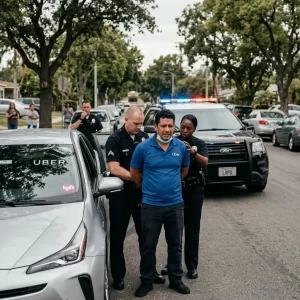
The plaintiff filed suit in December 2023, alleging she was sexually assaulted by her Uber driver while intoxicated in the back seat of the vehicle. She claims Uber failed to adopt reasonable safety measures that could have prevented the assault, including stronger background checks and mandatory in car cameras.
Khosrowshahi testified that Uber has “done everything we can to the best of our abilities” to reduce sexual assaults, which the company claims occur in fewer than one in 5 million rides. The plaintiff disputes that framing, arguing Uber ignores known risk factors that make sexual assaults more likely, particularly for intoxicated women.
During questioning, Khosrowshahi said he did not know whether assault rates were higher after nine p.m., for rides starting near bars, or for passengers who had been drinking. He also said he was unaware that reports of interpersonal conflict are disproportionately concentrated during late night and weekend rides. When asked whether the public has a right to see that data, he again responded that he did not know.
Uber’s defense has emphasized safety tools such as RideCheck, an emergency assistance button, and algorithms that assess risk factors like time of day and pickup location. However, the plaintiff’s legal team introduced evidence suggesting Uber paid advocacy organizations substantial sums for favorable public messaging. Internal records presented in court indicate the company spent more than $5 million over five years on a program known as “Driving Change,” which involved payments to sexual violence prevention organizations in exchange for public facing support.
In a separate deposition video, Uber’s director of global public safety testified that the company has been transparent about its relationships with advocacy groups but did not state whether the public should be informed that those groups were paid by Uber.
The plaintiff’s legal team is expected to conclude its case soon, including testimony from additional expert witnesses and the plaintiff herself, who is scheduled to testify in person. Uber has indicated it will rest its case shortly, after which Judge Charles Breyer will submit the case to the jury.
Survivors of Uber sexual assault can learn more about the litigation and their legal rights by visiting our Uber sexual assault lawsuits resource page. If you are ready to explore your legal options, you may request a free case review by completing the confidential and secure form below.