Skip to content
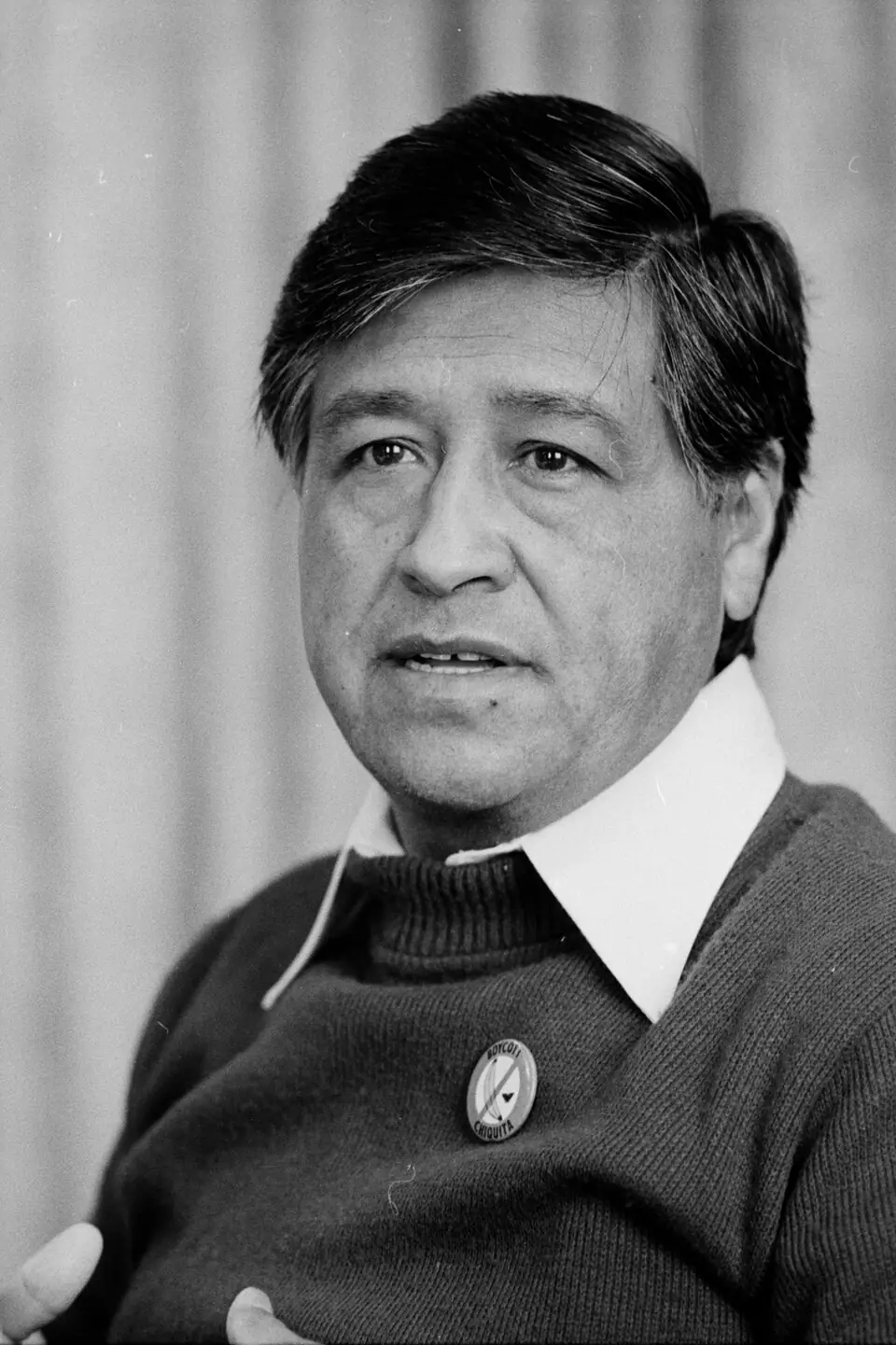
Photo: By Marion Trikosko; via Wikipedia.
The legacy of Cesar Chavez has long been defined by moral courage, sacrifice, and a relentless push for social justice. As co-founder of the United Farm Workers, Chavez became a towering figure in American labor history, championing the rights of agricultural workers through nonviolence, organizing, and collective action.
In an analysis for Religious Unplugged, Clement Lisi writes that faith was not incidental to that legacy. It was central. Chavez’s activism was deeply shaped by the teachings of the Catholic Church, and he often framed labor struggles in spiritual terms. Public fasts, inspired by Catholic traditions of penance, were intended to purify both himself and the broader movement, reinforcing discipline and nonviolence.
To supporters, Chavez was more than a labor leader. He was a moral figure, almost saint-like. He attended Mass regularly, spoke in the language of sacrifice and redemption, and inspired generations of Mexican Americans, labor advocates, and progressive organizers. His influence extended into public recognition as well. His birthday is commemorated as a state holiday in places like California and Arizona, and he was posthumously awarded the Presidential Medal of Freedom in 1994 by Bill Clinton.
The U.S. Conference of Catholic Bishops has even referred to Chavez as a “champion” of “life and dignity,” placing him alongside figures such as Dorothy Day and St. Oscar Romero.
That image is now facing serious scrutiny.
Recent reporting by The New York Times has introduced allegations that challenge the foundation of Chavez’s public persona. Multiple women have accused Chavez of sexual abuse, including allegations involving minors. The accounts describe patterns of manipulation, coercion, and exploitation that, in some cases, began when the women were teenagers.
According to the report, two women, now in their 60s, say the abuse began when they were 12 and 13 years old and continued for nearly four years during the 1970s, at the height of Chavez’s influence. The investigation also found evidence that Chavez fathered four children with women who were not his wife, in addition to the eight children he had with his wife, Helen.
Among those who have come forward is Dolores Huerta, Chavez’s closest collaborator and co-founder of the United Farm Workers. She has alleged that Chavez sexually assaulted her during the early years of the movement, pointing to a significant power imbalance between Chavez and the women around him.
“I carried this secret for as long as I did because building the movement and securing farmworker rights was life’s work,” Huerta, now 96, said in a statement. “The formation of a union was the only vehicle to accomplish and secure those rights and I wasn’t going to let Cesar or anyone else get in the way.”
Chavez’s dual role as both a political leader and a figure of spiritual authority made resistance and disclosure particularly difficult. His influence extended beyond organizing into the personal and moral lives of those within his orbit.
What happens next?
The allegations complicate Chavez’s legacy in profound ways. A man who publicly championed human dignity is now accused of violating those very principles in private. The tension is especially stark given his alignment with Catholic teachings, which emphasize protecting the vulnerable.
In this context, Chavez’s faith takes on a more complex role. What was once seen purely as a source of moral strength may also have contributed to the authority that insulated him from accountability.
These revelations arrive within a broader historical pattern. Similar reckonings have unfolded in recent decades, from the Catholic clergy abuse crisis to the wider cultural shift driven by the #MeToo movement. Each has forced institutions and communities to reassess figures once held in near-unquestioned esteem.
Writing in the National Catholic Reporter, Associate Opinion Editor Jeromiah Taylor reflected on this dynamic, drawing comparisons to other prominent Catholic figures whose legacies were later overshadowed by abuse allegations. He noted that such revelations often lead to disillusionment and difficult questions about the relationship between good works and personal misconduct.
Taylor’s conclusion was simple but pointed: “But we don’t need heroes. We need each other.”
The fallout has already begun. A Mass traditionally held in Chavez’s honor at the Cathedral of Our Lady of the Angels in Los Angeles was canceled following the allegations.
In a statement, the United Farm Workers said they had “not received any direct reports, and we do not have any firsthand knowledge of these allegations.”
“However, the allegations are serious enough that we feel compelled to take urgent steps to learn more and provide space for people who may have been victimized to find support and to share their stories if that is what they choose,” the union added.
At the same time, the Times investigation reported that internal emails suggest union leaders had been aware “for years” of misconduct allegations involving Chavez. Women who say they were abused were reportedly discouraged from speaking publicly.
The broader question now is how Chavez should be remembered.
His contributions to labor rights remain significant and historically impactful. But there is growing resistance to viewing him as an unblemished hero. The emerging accounts have introduced a more complicated narrative, one that forces a reassessment of both the man and the movement he helped build.
Chavez’s faith helped inspire a movement grounded in justice and sacrifice. It also, according to these allegations, may have contributed to the elevation of a leader whose authority went largely unquestioned.