Skip to content
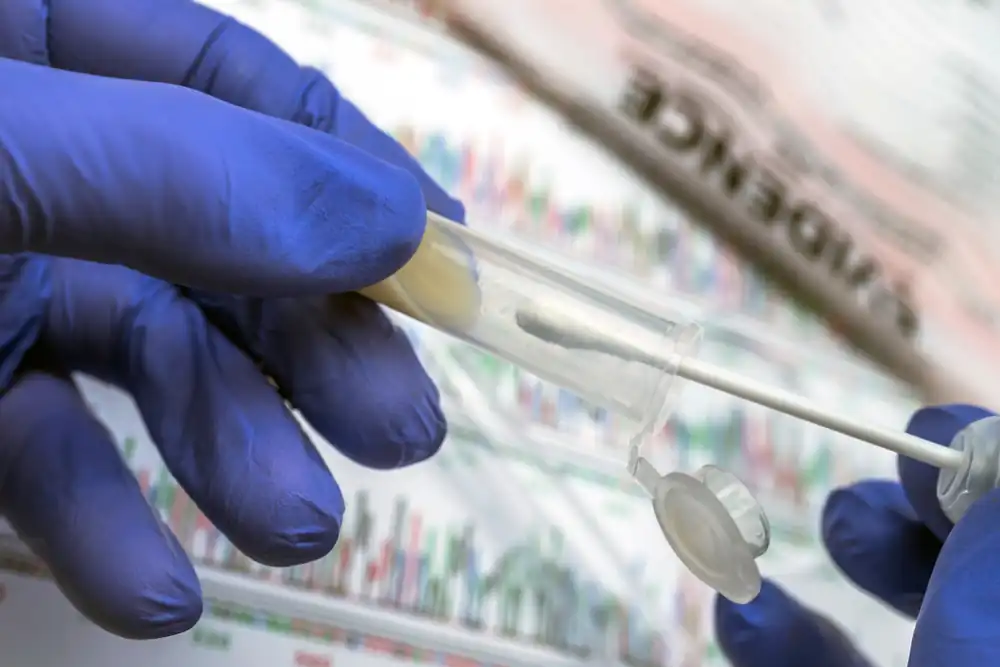
Colorado is expected to meet its goal of testing sexual assault evidence kits within 90 days and do so seven months earlier than originally projected, Denver’s ABC News 7 reported yesterday. The milestone follows a year of scrutiny after lawmakers learned more than 1,400 kits were stuck in a backlog, leaving survivors waiting well over a year for DNA results.
At this time last year, survivors were facing average wait times exceeding 500 days. Lawmakers responded by approving $3 million in emergency funding for the Colorado Bureau of Investigation (CBI), allowing the agency to outsource testing to accredited private labs and expand staffing. Today, turnaround times have been cut dramatically, with CBI projecting an average of 111 days by July and full compliance with the 90-day benchmark by September.
State Rep. Jenny Willford, who discovered her own case was part of the backlog, called the progress “significant” but cautioned that deeper reforms are still needed. “Shorter testing times don’t automatically fix the survivor experience,” she said, urging broader adoption of trauma-informed practices across the justice system.
CBI Director Armando Saldate praised the agency’s scientists and staff, saying they are “incredibly proud” of the accelerated timeline while acknowledging “a lot more work to do.” As of Jan. 31, 614 kits remained pending. CBI currently employs 19 DNA scientists, with 12 analysts in training — seven of whom are expected to complete the program early this year.
The backlog was worsened by an internal investigation into former forensic scientist Yvonne “Missy” Woods, who faces more than 100 felony charges tied to alleged misconduct affecting over 1,000 cases. In 2024, roughly half of CBI’s lab work focused on reviewing her prior analyses.
Lawmakers say funding remains essential. State Sen. Mike Weissman is pushing a $1 million budget amendment to further reduce delays, noting that some states return results within 30 days. “If we want to move faster, we have to pay for the capacity,” Weissman said.
Separately, Weissman, Willford, and Rep. Meg Froelich have introduced Senate Bill 26-095, a survivor-focused measure proposing:
- Required guidance for patients on how to track kit testing results
- Continued access to preventative medications after forensic exams
- Anti-SLAPP protections for survivors speaking about abuse
- Limits on forced arbitration in sexual assault and harassment cases
- Options for survivors to testify via closed-circuit television
- Annual trauma-informed training for peace officers
Gov. Jared Polis credited both legislators and CBI staff for the improvements, while emphasizing the need to “turn around results quicker” and “support survivors.”
Know Your Rights Beyond the Backlog
Delays in evidence testing can affect both criminal investigations and civil cases. If you experienced sexual abuse or assault in an institutional setting, you may still have legal options.
Learn about institutional sexual abuse lawsuits →