Skip to content
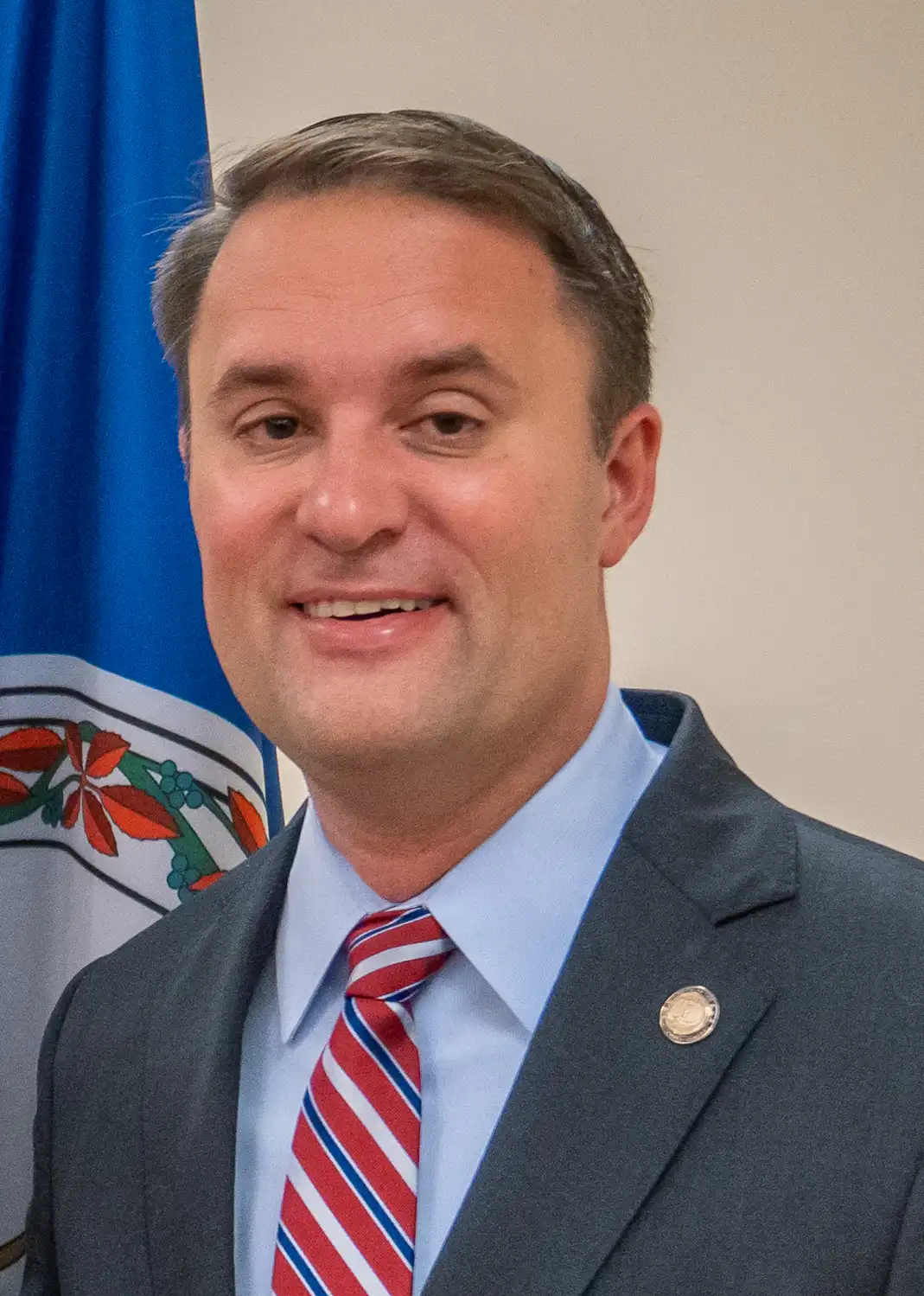
Official Photo by Kaitlyn DeHarde, Office of Governor Glenn Youngkin; via Wikipedia.
Virginia Attorney General Jason Miyares announced that his office, alongside a coalition of 21 other state law enforcement agencies, joined a lawsuit previously filed by the Federal Trade Commission against Uber Technologies, LLC and Uber USA, LLC, the operators of the popular rideshare and delivery company. The lawsuit is pending in the United States District Court for the Northern District of California, and trial is currently scheduled for February 2027.
The lawsuit alleges that Uber used a variety of deceptive and unfair practices in offering and selling Uber One subscription services, which Uber promotes as saving money on rides and deliveries. Among other things, the lawsuit alleges that Uber improperly used negative option marketing tactics when it offered free trial subscriptions, a practice that automatically charges consumers if they do not cancel a free trial. The lawsuit alleges Uber misled consumers about the amounts they could save when subscribing to Uber One and that the companies made it extraordinarily difficult to cancel Uber One once enrolled. The complaint also alleges that Uber charged consumers before their billing date, including users whose free trial has not yet ended.
“Virginians should not be tricked into paying for services they didn’t knowingly sign up for or trapped in subscriptions they cannot easily cancel. Deceptive enrollment and billing practices have no place in the marketplace,” said Attorney General Jason Miyares. “My office will continue to stand up for consumers when companies cross the line.”
The lawsuit seeks restitution, as well as penalties, costs, and an injunction against Uber for alleged violations of the U.S. Restore Online Shoppers’ Confidence Act and certain state consumer protection laws.
In addition to Virginia, the state coalition includes the attorneys general of Alabama, Arizona, Connecticut, the District of Columbia, Illinois, Maryland, Michigan, Minnesota, Missouri, Montana, Nebraska, New Hampshire, New Jersey, New York, North Carolina, Ohio, Oklahoma, Pennsylvania, West Virginia, and Wisconsin, as well as the District Attorney for Alameda County.
How the Lawsuit Concerns Sexual Assaults
The Virginia Attorney General’s lawsuit focuses on alleged deceptive practices tied to Uber One subscriptions, but it arises in the same federal court system and against the same corporate defendants already facing extensive litigation over sexual assaults involving Uber drivers. Survivors and plaintiff attorneys have argued in sexual assault cases that Uber maintained internal systems that minimized accountability, obscured consumer understanding, and delayed meaningful intervention. Regulators pursuing consumer protection claims are scrutinizing many of the same corporate behaviors alleged in sexual assault lawsuits, including misleading disclosures, internal data control, and practices that made it difficult for users to opt out, report harm, or fully understand their rights. Although the legal theories differ, both the FTC led lawsuit and sexual assault litigation challenge Uber’s internal decision making, transparency, and compliance obligations. Together, these cases paint a broader picture of alleged systemic misconduct rather than isolated failures.
Uber Sexual Assault Litigation by the Numbers
Uber’s own published safety data shows more than 12,000 reports of sexual assaults over a six year period, a figure the company has acknowledged publicly. However, internal records disclosed during litigation indicate that Uber may have received more than 400,000 internal safety and incident reports involving misconduct, harassment, and assaults during that same timeframe.
Survivors have since filed approximately 3,000 federal lawsuits alleging sexual assaults by Uber drivers, with hundreds of additional cases proceeding in California state courts. These lawsuits allege that Uber failed to adequately screen drivers, respond promptly to reports, warn riders, or implement meaningful safety reforms despite repeated internal warnings. The volume of reported incidents and lawsuits has made Uber sexual assault litigation one of the largest coordinated survivor driven legal actions involving a rideshare company.